
2026 Physical AI Robots Storm Classrooms—Humanoids as STEM Teachers?
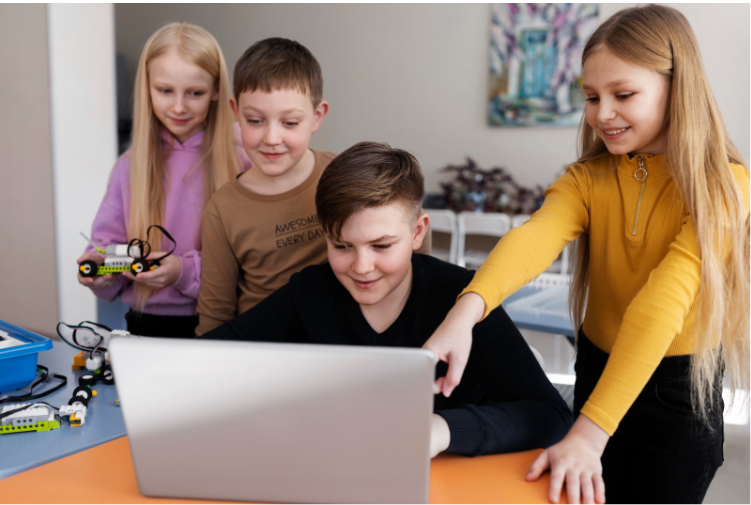
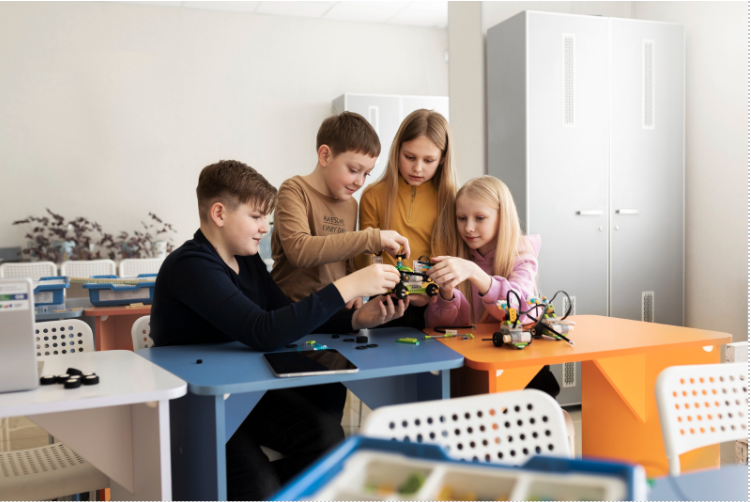
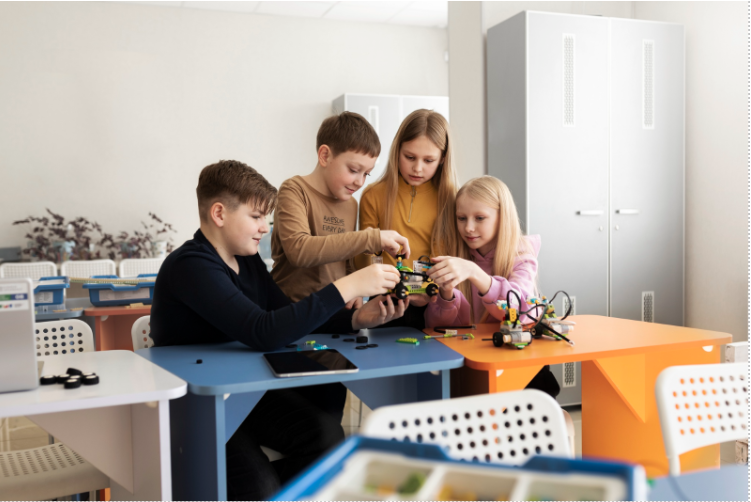
Picture a classroom where a sleek humanoid robot named Luna rolls up to a group of wide-eyed Class 8 students, scans the messy lab table with laser precision, and in a calm voice explains: “Gravity pulls at 9.8 m/s²—watch me drop this ball while calculating trajectory in real-time.” No textbook drudgery; instead, hands-on demos with physics engines simulating friction, collisions, and chaos. This isn’t sci-fi—it’s the dawn of Physical AI robots invading global STEM education, blending NVIDIA’s open models, vision-language-action (VLA) frameworks, and RealSense depth perception to turn abstract concepts into tangible thrills.
Physical AI: From Factory Floors to School Desks
Forget clunky industrial bots scripting repetitive tasks—2026’s Physical AI robots “see,” adapt, and learn like never before. NVIDIA’s CES 2026 announcements unleashed open models for physical AI, powering robots across industries with synthetic data, reinforcement learning, and imitation from human demos. Humanoids like those from Unitree, LimX Dynamics, and Boston Dynamics now grasp unstructured worlds: balancing on uneven floors, manipulating tools, collaborating with kids.
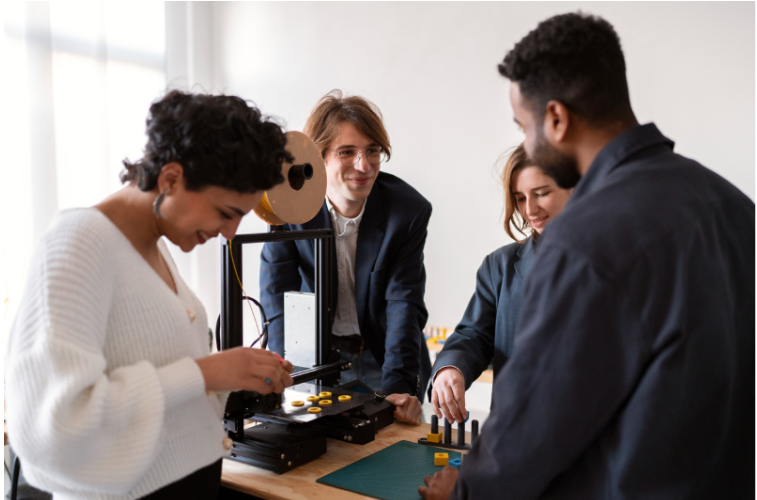
In education, they’re game-changers. RealSense’s five trends dominate: Perception as Physical AI’s backbone (depth + motion for safe autonomy), mission-oriented goals over rigid scripts, humanoid momentum via vision for manipulation, ecosystem interoperability, and teleop-to-autonomy loops. Deloitte calls it “adaptive machines in complex environments,” mastering gravity and friction via virtual training before real-world deployment. CES 2026 demos showed AMRs/humanoids navigating crowds—perfect for ATL labs or CBSE robotics clubs.
Humanoids: Your New Lab Partner?
Hyundai’s CES strategy promises human-robot collab by 2028, starting in factories but eyeing schools for “human-centred” tasks. NVIDIA’s teaching kits—labs, slides, cloud GPUs—bring GRASP Lab-level robotics to universities like Ohio State, now trickling to K-12. Imagine Luna (a VLA-powered humanoid) leading physics: interprets commands (“simulate rocket launch”), executes via motor control, quizzes via NLP.
Benefits explode: 2x STEM retention via experiential learning (rover friction fails teach better than pages). Coding demystified—kids program RO1 cobots no-code for vocational skills. Inclusivity surges: Bots sidekick diverse learners, easing teacher loads. RiE2026 conference buzzes with humanoid edutainment and telerobotics contests.
India’s cue? With NEP pushing AI/robotics from Class 6, MakersMuse ATLs could pilot Perception bots—train on simulation, deploy for disaster sims or EV prototypes. Cold wave virtual shifts? Robots enable anytime labs.
Challenges: Hype vs. Reality in STEM Labs
Not all smooth: Brooks warns humanoids 10+ years from dexterity matching humans; current “brains” outpace “bodies.” Safety first—ethical alignment, supervision needed. Cost barriers hit rural CBSE schools, but open-source solutions like NVIDIA lower the entry.
Morgan Stanley eyes 1B+ humanoids by 2050; education leads via pilots. Forbes sees hospital transforms first, but classrooms next for adaptive teaching.
India’s Classroom Robot Revolution Beckons
As CES fades, Physical AI isn’t waiting—it’s deploying. For CBSE/ATL educators: Start with mBot Neo for basics, scale to VLA humanoids. Parents, envision kids debugging Luna’s balance? That’s tomorrow’s engineers.