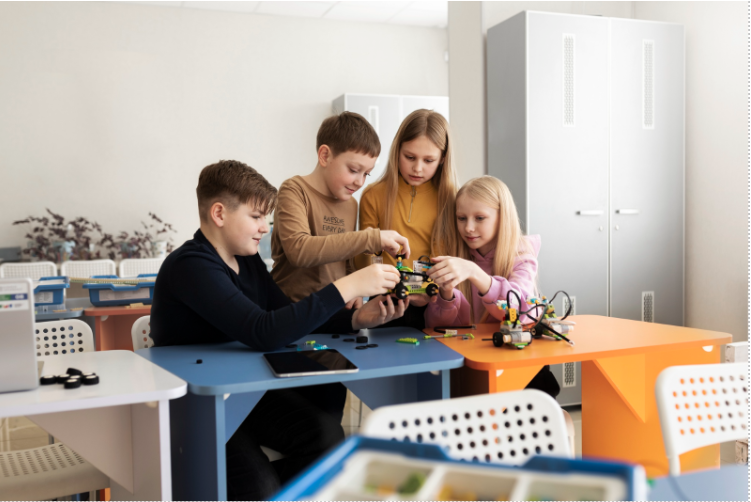

Global Classrooms Embrace AI: Robots and Smart Tools Transform STEM Education
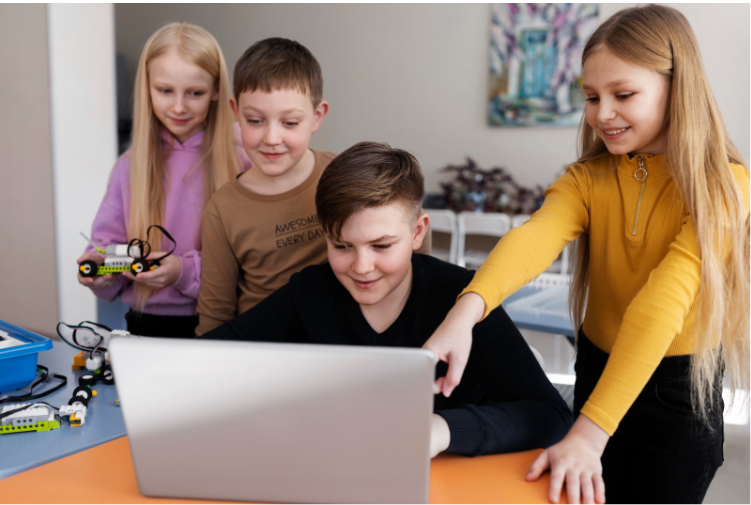
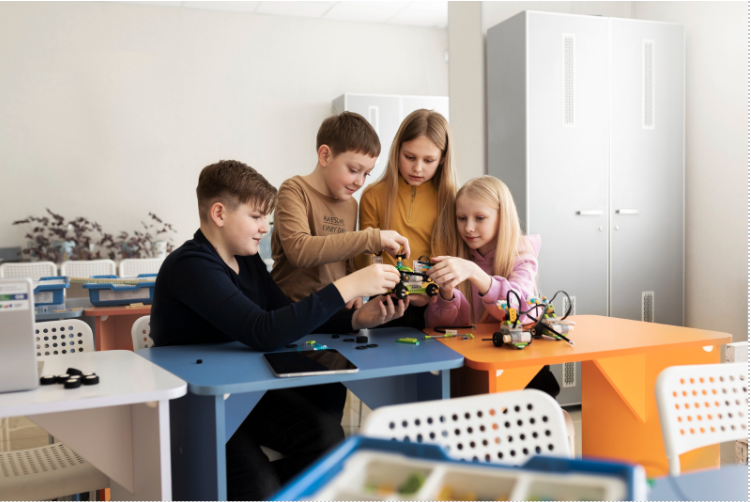
In classrooms around the world, a quiet revolution is underway. Gone are the days when chalkboards and textbooks were the only tools for learning. Today, artificial intelligence (AI) and robotics are reshaping STEM education, turning classrooms into dynamic, interactive labs where students learn by doing, creating and solving real-world problems.
The Rise of AI Teachers and Robot Assistants
Imagine a classroom where a friendly robot greets students, answers their questions, and even helps teachers manage lessons. This is no longer science fiction. AI-powered robots are stepping into schools as teaching assistants, providing instant feedback, personalized guidance, and even conducting group activities. These “robot teachers” are especially valuable in schools facing teacher shortages, as they can facilitate remote learning and ensure continuity during absences.
But it’s not just about robots. AI-driven virtual tutors and smart assistants are available 24/7, helping students with homework, offering practice quizzes, and providing instant explanations. These tools adapt to each student’s pace, making learning more personalized and effective.
Smart Tools for Hands-On STEM Learning
STEM education is all about hands-on experimentation, and smart tools are making this easier than ever. Schools are now equipped with STEM innovation labs, Atal Tinkering Labs (ATL), and robotics centres featuring 3D printers, coding kits, and AI learning platforms. Students use Arduino and Raspberry Pi to build and program robots, while IoT-driven experiments connect the physical and digital worlds.
AI is also being integrated into the curriculum, with modules on machine learning, natural language processing, and responsible AI use. These lessons don’t just teach technical skills—they encourage ethical thinking and responsible innovation.
Real-World Impact: Stories from the Classroom
Take the story of a middle school in the US where students use AI-powered platforms to analyse local environmental data. They design robots that monitor water quality and present their findings to the community. Or consider a classroom in India where students collaborate with peers in another country, sharing control of a robot to solve a joint engineering challenge.
These experiences are transforming students from passive learners to active creators. They are not just absorbing information—they are applying it, innovating, and making a difference in their communities.
Why This Matters for the Future
The integration of AI and robotics in STEM education is preparing students for a future where technology and creativity go hand in hand. By emphasising hands-on learning, collaboration, and real-world problem solving, schools are equipping students with the skills they need to thrive in a rapidly changing world.
SEO-Friendly Themes
- AI in education 2025
- Robotics in schools
- Smart tools for STEM learning
- Hands-on STEM education
- Future-ready classrooms
Conclusion: A New Era of Learning
The global shift toward AI and robotics in STEM education is more than a trend—it is a transformation. By embracing these technologies, schools are not just teaching students about science and technology; they are inspiring them to become innovators, problem-solvers, and leaders of tomorrow. The future of education is here, and it is powered by AI and robotics.