
STEM Tinkering Lab: Importance and Benefits
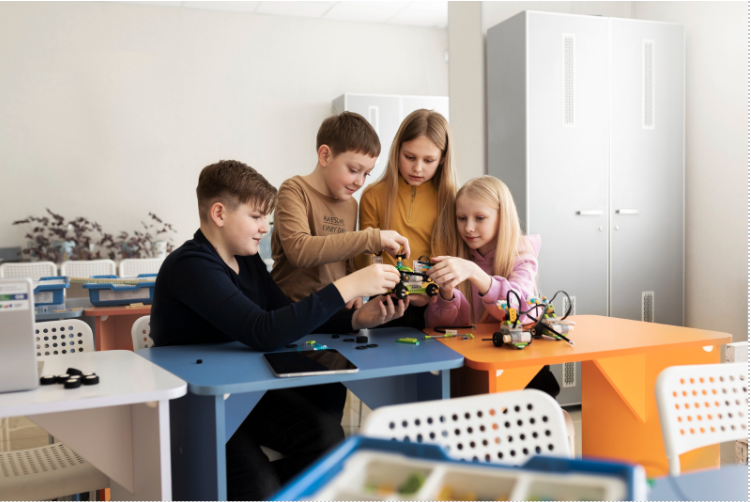
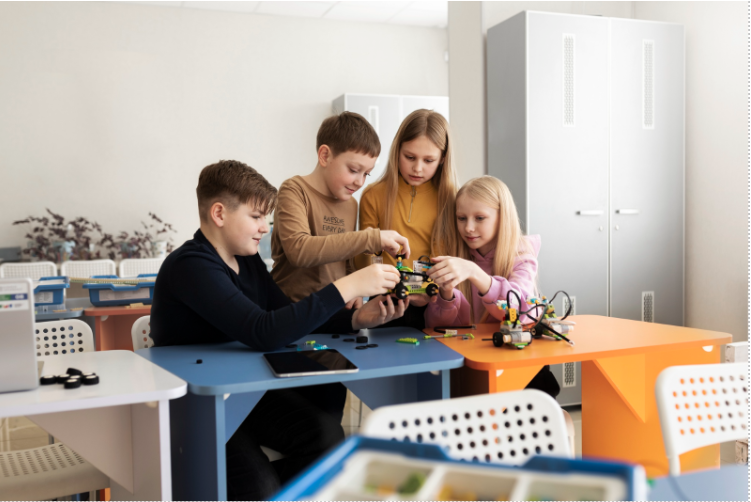
In today’s rapidly changing world, schools are continuously searching for innovative ways to prepare students for future challenges. A STEM tinkering lab has emerged as one of the most powerful solutions for this need. More than just a room filled with tools and gadgets, a STEM tinkering lab represents a new style of learning—one that encourages exploration, curiosity, and discovery. Schools that introduce a STEM tinkering lab often notice a remarkable transformation in how students think, behave, and solve problems. Instead of simply memorising concepts, students learn to apply them through real-world experimentation.
The importance of a STEM tinkering lab lies not just in teaching subjects like science or technology, but in helping young learners build lifelong confidence. Through hands-on STEM Education learning, they experiment, build models, test ideas, and learn from failures without fear. This process naturally enhances innovation and creativity in education, making students more independent, curious, and future-ready. Schools that invest in such spaces report stronger academic engagement and improved classroom energy because students enjoy learning practically.
From robotics and electronics to everyday science experiments, a STEM tinkering lab offers endless opportunities for STEM skill development for students. It helps them understand how ideas evolve into real-world solutions and why problem-solving is essential in every profession. When implemented effectively, it becomes a space where imagination meets application—turning school learning into an exciting journey rather than a routine. This blog explores the true importance and benefits of a STEM tinkering lab in schools and how it can reshape the future of education.
Why a STEM Tinkering Lab Matters for Schools
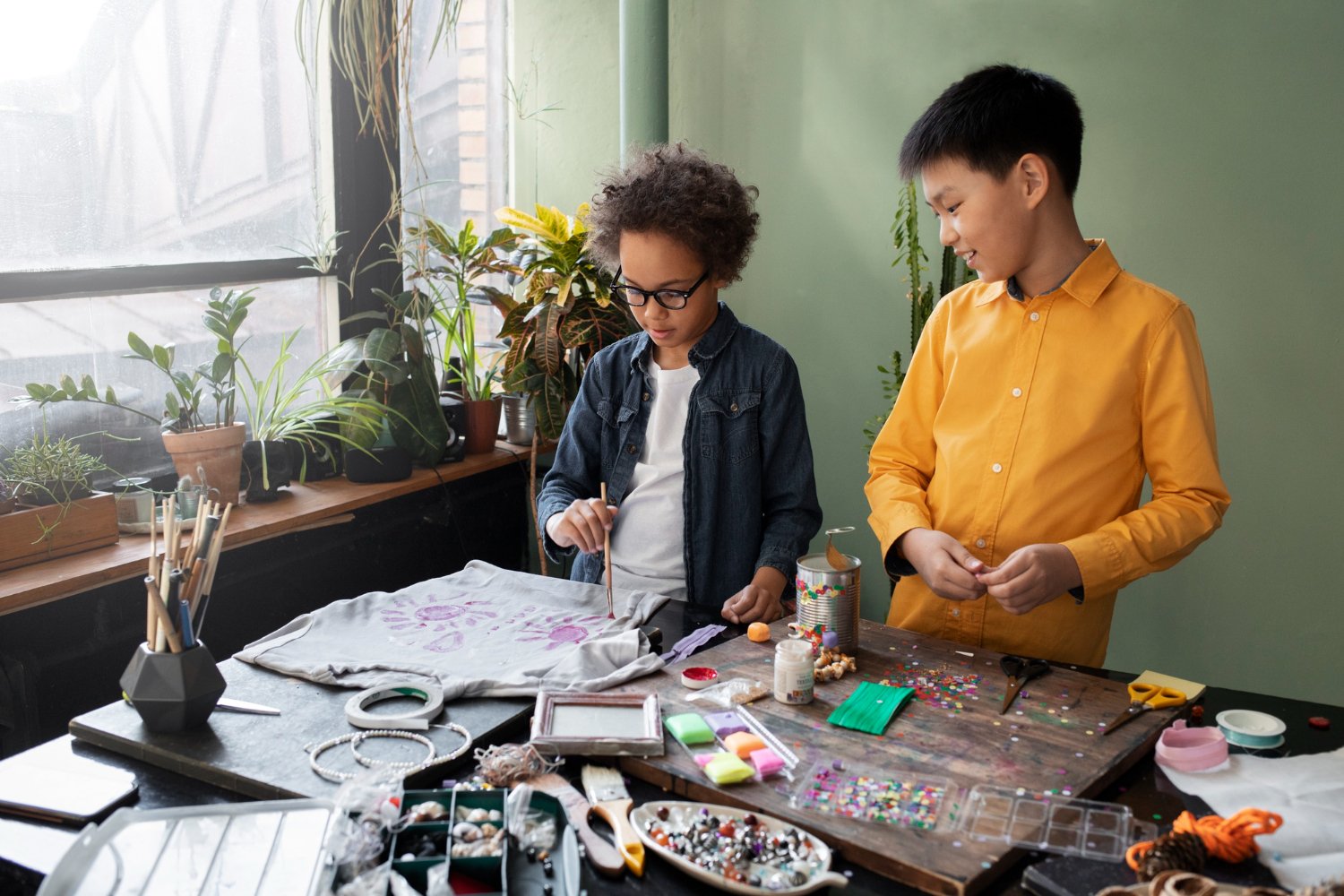
A STEM tinkering lab helps schools bridge the gap between theory and real-world application. It allows students to explore, build, break, and rebuild—something traditional classrooms rarely offer. When students work with tools, game-based learning kits, circuits, sensors, or simple DIY science setups, their understanding deepens significantly. Schools increasingly adopt tinkering spaces because they promote curiosity and active participation instead of passive learning.
Benefits of STEM Education in a Tinkering Lab Environment
- Strong Understanding Through Hands-on STEM Learning
Hands-on STEM learning allows students to move beyond textbooks. Whether they design simple machines or create mini science models, students learn concepts faster and retain them longer. With consistent exposure, hands-on STEM learning encourages students to experiment independently, think logically, and develop analytical skills.
- Boosts Innovation and Creativity in Education
A STEM tinkering lab allows children to imagine freely. When students are given materials and freedom to explore, innovation and creativity in education naturally grow. They brainstorm, sketch ideas, collaborate, and test creative solutions. This approach turns every child into an inventor in their own way.
- Support for STEM Skill Development for Students
STEM skill development for students is one of the biggest learning outcomes of such labs. Skills such as coding, design thinking, robotics, circuitry, measuring, building, testing, and critical thinking evolve organically in a STEM tinkering lab. These essential skills help students become future-ready for careers in science, engineering, technology, and innovation.
- Encourages Confidence and Problem-Solving
When students build something with their own hands, it gives them immense confidence. A STEM tinkering lab teaches persistence, adaptability, and resourcefulness—skills that go far beyond academics.
- Perfect Space for Teamwork and Collaboration
Tinkering naturally promotes teamwork. Students discuss ideas, divide tasks, solve conflicts, and build projects together. This nurtures leadership, communication, and decision-making.
How a Tinkering Lab for Schools Transforms Learning
A tinkering lab for schools creates a vibrant environment where learning becomes active rather than passive. Teachers transform into mentors who guide students through experiments and projects. Students no longer fear making mistakes because tinkering is all about learning through trial and error. When schools adopt this culture, academic performance improves, attendance increases, and classroom participation becomes lively.
Pointers that describe the transformation:
- Students learn by doing, not memorising.
- Projects become more meaningful and relatable.
- Students develop a lifelong love for science and technology.
- Creativity and imagination bloom naturally.
- Schools build a strong academic reputation.
Why Schools Should Invest in a STEM Tinkering Lab
For schools, introducing a STEM tinkering lab isn’t just an upgrade—it’s a forward-looking investment. It enhances the school’s academic culture, strengthens its brand image, and shows parents the institution’s commitment to quality education. Schools offering hands-on STEM learning attract more admissions, create more opportunities for competitions, and position themselves as leaders in modern education.
Schools also receive long-term value because students become more confident, innovative, and skilled. A STEM tinkering lab prepares them to excel in national-level science fairs, robotics competitions, coding challenges, and innovation events.
Conclusion — The Future Belongs to Schools That Prepare Innovators
A STEM tinkering lab is not just a facility; it is a gateway to meaningful, exciting, and future-ready learning. It empowers schools to shape confident, creative, and skilled learners who think critically and solve problems independently. When combined with hands-on STEM learning, innovation and creativity in education become part of everyday learning. The benefits of STEM education go far beyond marks—they shape personalities, skills, and future careers.
If your school wants to nurture thinkers, innovators, and young scientists, then a STEM tinkering lab is the strongest step toward that future.
Book your free trial class today!