

UN Discussions to Explore Stronger Global Commitments to Children's Education
A significant international education discussion is scheduled to take place at the United Nations in Geneva from 31 August to 2 September 2026. Governments, experts and representatives working on children's rights are expected to discuss a possible international agreement focused on strengthening children's right to education. The discussions on the global right to education form part of continuing international efforts to strengthen education rights and expand access to quality learning opportunities.

What Is the UN Discussing?
The Geneva discussions will explore the possibility of developing a new international agreement concerning children’s right to education.
The proposed work includes areas such as early childhood education, free pre-primary education and free secondary education.
The initiative builds on existing international commitments concerning children’s rights and education.
Why Is the Right to Education Important?
Education is recognised internationally as a fundamental human right and an important foundation for individual and social development.
The UN Sustainable Development Goal 4 also calls for inclusive and equitable quality education and lifelong learning opportunities for all.
The upcoming discussions on the global right to education therefore form part of a wider global effort to strengthen educational opportunities for children.
STEM Education in the Global Learning Landscape
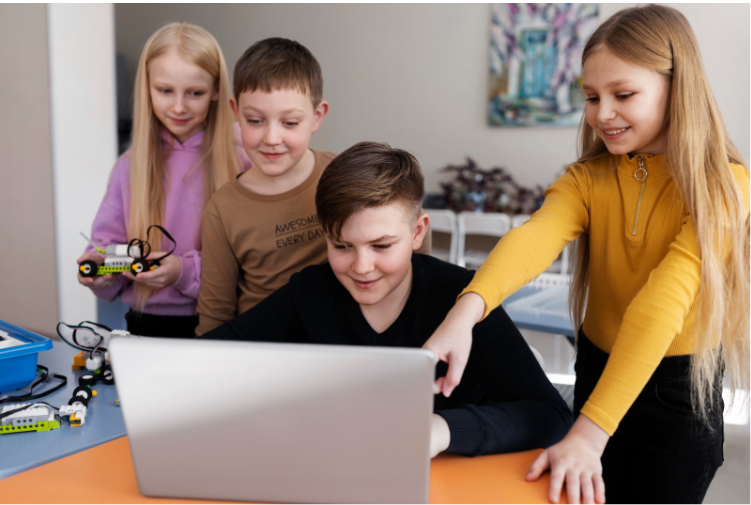
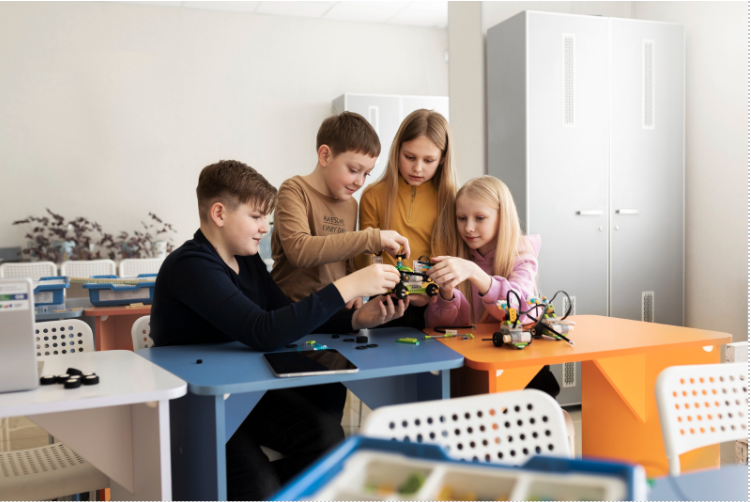
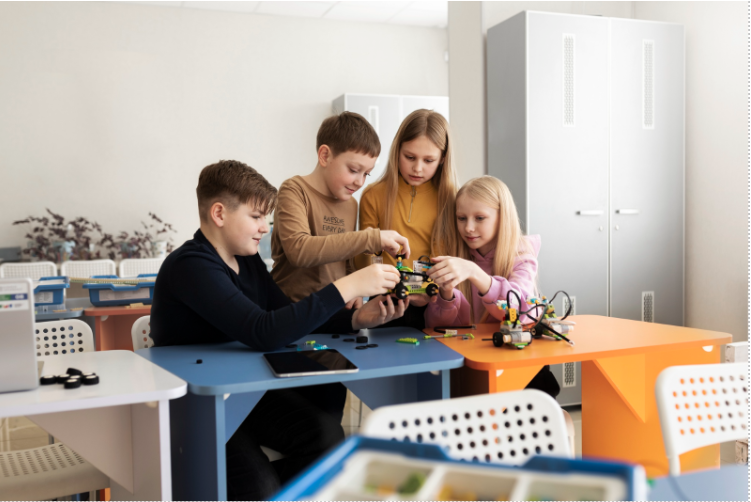
Alongside access to foundational education, STEM education is becoming increasingly important in preparing students for technology-driven economies.
Science, technology, engineering and mathematics can help learners develop research skills, logical reasoning and practical approaches to solving problems.
The global growth of STEM learning also highlights the importance of providing students with opportunities to explore science and technology from an early stage.
Areas Being Considered
The discussions on the global right to education are expected to examine several areas connected with children’s access to education, including:
Early childhood education
Free pre-primary education
Free secondary education
Equal educational opportunities
Stronger international commitments to education rights
These areas can contribute to a more comprehensive approach to children’s education.
Building on the UN Convention on the Rights of the Child
The UN Convention on the Rights of the Child already recognises children’s rights, including the right to education.
The current international process can build on this established framework by examining how education rights can be strengthened through additional international commitments.
Encouraging STEM Research Globally
International cooperation can also create opportunities for STEM research by connecting educational institutions, researchers and students across countries.
Collaborative projects can encourage knowledge exchange and expose learners to different approaches to scientific investigation.
For countries developing their own STEM education India initiatives, international academic collaboration can provide useful opportunities to learn from global approaches to science and technology education.
Education and Future-Ready Skills
International education discussions are increasingly connected with the skills students need for future study and employment.
A structured STEM program can complement these priorities by helping students develop scientific understanding, digital awareness and problem-solving skills.
Similarly, STEM research can encourage students to move beyond theoretical learning and explore practical questions through investigation and experimentation.
What Happens Next?
The Geneva meeting from 31 August to 2 September is part of an ongoing intergovernmental process.
It will provide an opportunity for governments, experts and other stakeholders to discuss the proposed framework. Any new international agreement would require further negotiations and formal steps before adoption.
What Could the Discussions Mean for Students?
Stronger international commitments could contribute to continued efforts to expand access to education and strengthen learning opportunities for children.
The discussions also highlight the importance of providing students with diverse learning experiences. STEM learning can complement traditional subjects by encouraging experimentation, creativity and practical problem-solving.
The wider development of STEM education can therefore form an important part of preparing students for future academic and professional opportunities.
FAQs
Q1. What is the latest international education development?
A: The United Nations is preparing discussions in Geneva on strengthening international commitments concerning children’s right to education.
Q2. When will the UN education discussions take place?
A: The discussions are scheduled to take place in Geneva from 31 August to 2 September 2026.
Q3. What areas of education are being discussed?
A: The discussions include early childhood education, free pre-primary education and free secondary education.
Q4. Why is STEM learning important internationally?
A: STEM learning can help students develop scientific knowledge, analytical thinking, creativity and practical problem-solving abilities.
Q5. How can international cooperation support STEM research?
A: International cooperation can connect students, educators and researchers, creating opportunities to exchange knowledge and collaborate on scientific and technology-related projects.
Q6. What does STEM education India refer to?
A: STEM education India refers to educational approaches and initiatives in India that develop learning in science, technology, engineering and mathematics.