 Written by
STEM
·
Written by
STEM
·
STEM on Wheels: Mobile Labs Transform Science Education in Remote Regions Worldwide
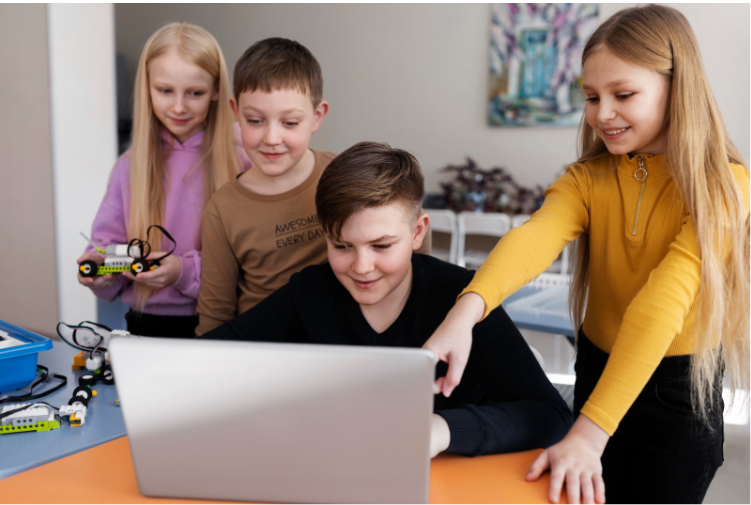
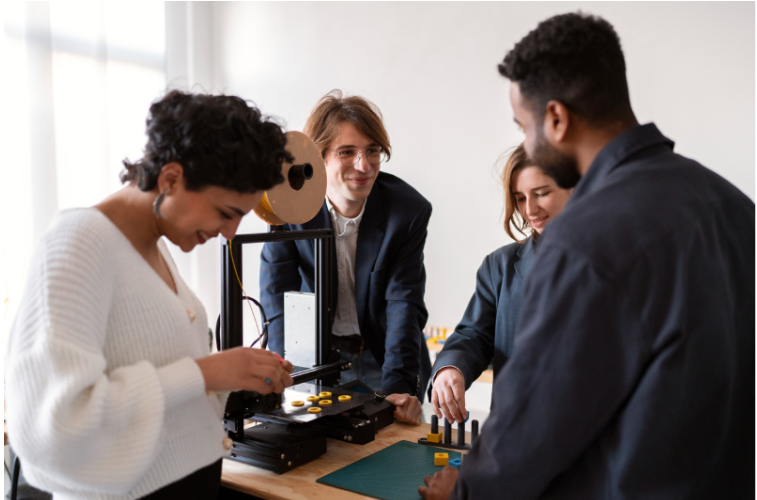
A growing global movement is reshaping access to science education through the introduction of “STEM on Wheels” mobile labs, bringing hands-on learning directly to students in remote and underserved areas. These mobile laboratories, often set up in buses, vans, or portable units, are equipped with modern tools such as robotics kits, science experiment modules, laptops, and digital learning resources. Their primary goal is to bridge the educational divide by ensuring that geography does not limit a child’s access to quality STEM (Science, Technology, Engineering, and Mathematics) education.
In many parts of the world, especially rural and economically disadvantaged regions, schools often lack the infrastructure and resources required for practical science education. Traditional classrooms rely heavily on textbooks, leaving little room for experimentation or innovation. “STEM on Wheels” initiatives are addressing this gap by delivering fully functional labs to the doorstep of such schools, allowing students to engage in real-world experiments and interactive learning experiences.
Recent programs launched across countries in Asia, Africa, and parts of Europe have demonstrated significant impact. These mobile labs follow structured schedules, visiting multiple schools within a region and conducting workshops, demonstrations, and guided activities. Students get the opportunity to explore subjects like physics, chemistry, coding, and robotics through hands-on sessions, making complex concepts easier to understand and more engaging.
One of the most notable aspects of these initiatives is their focus on inclusivity. Many programs are designed to reach communities where access to education is limited, including remote villages and marginalised populations. Special efforts are also being made to encourage participation among girls, helping to close the gender gap in STEM fields. By providing equal opportunities for exploration and learning, these mobile labs are nurturing curiosity and confidence among all students.
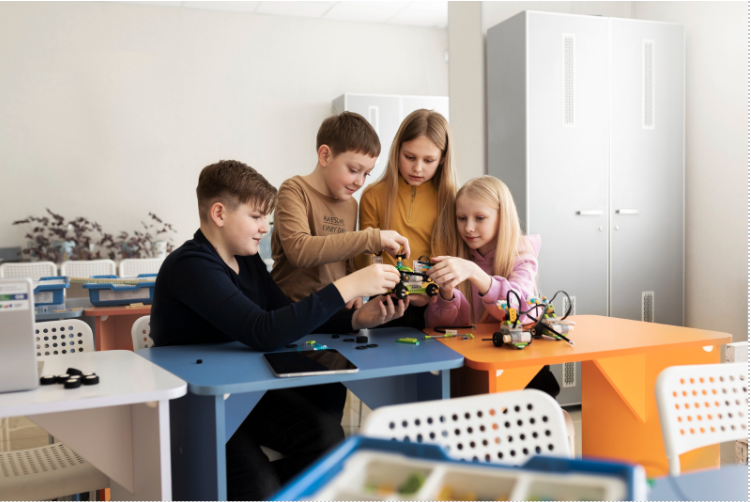
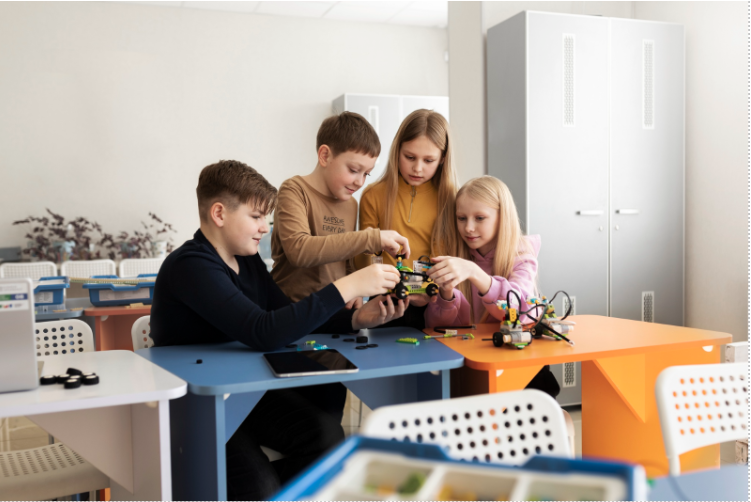
Educators have reported a noticeable increase in student engagement and interest in science subjects after exposure to mobile STEM labs. Children who previously had limited access to laboratory equipment are now able to conduct experiments, build simple machines, and even learn the basics of programming. This experiential approach not only enhances understanding but also inspires students to consider careers in science and technology.
Governments, non-profit organisations, and private sector partners are playing a crucial role in scaling these initiatives. Collaborative efforts have led to the deployment of hundreds of mobile labs worldwide, each reaching thousands of students annually. With continued investment and innovation, “STEM on Wheels” is emerging as a powerful solution to democratize education and foster a new generation of thinkers, problem-solvers, and innovators.
As these mobile labs continue to expand their reach, they are redefining how and where learning can happen, proving that quality education can travel beyond classroom walls and reach every child, no matter how remote their location.