
New STEM Education Programs Aim to Transform Learning in India
India is witnessing a major shift in its academic landscape as new science, technology, engineering, and mathematics initiatives continue to reshape the future of school education. Governments, private institutions, and educational technology companies are introducing modern learning programs focused on innovation, digital skills, and practical problem-solving to strengthen STEM education across the country.
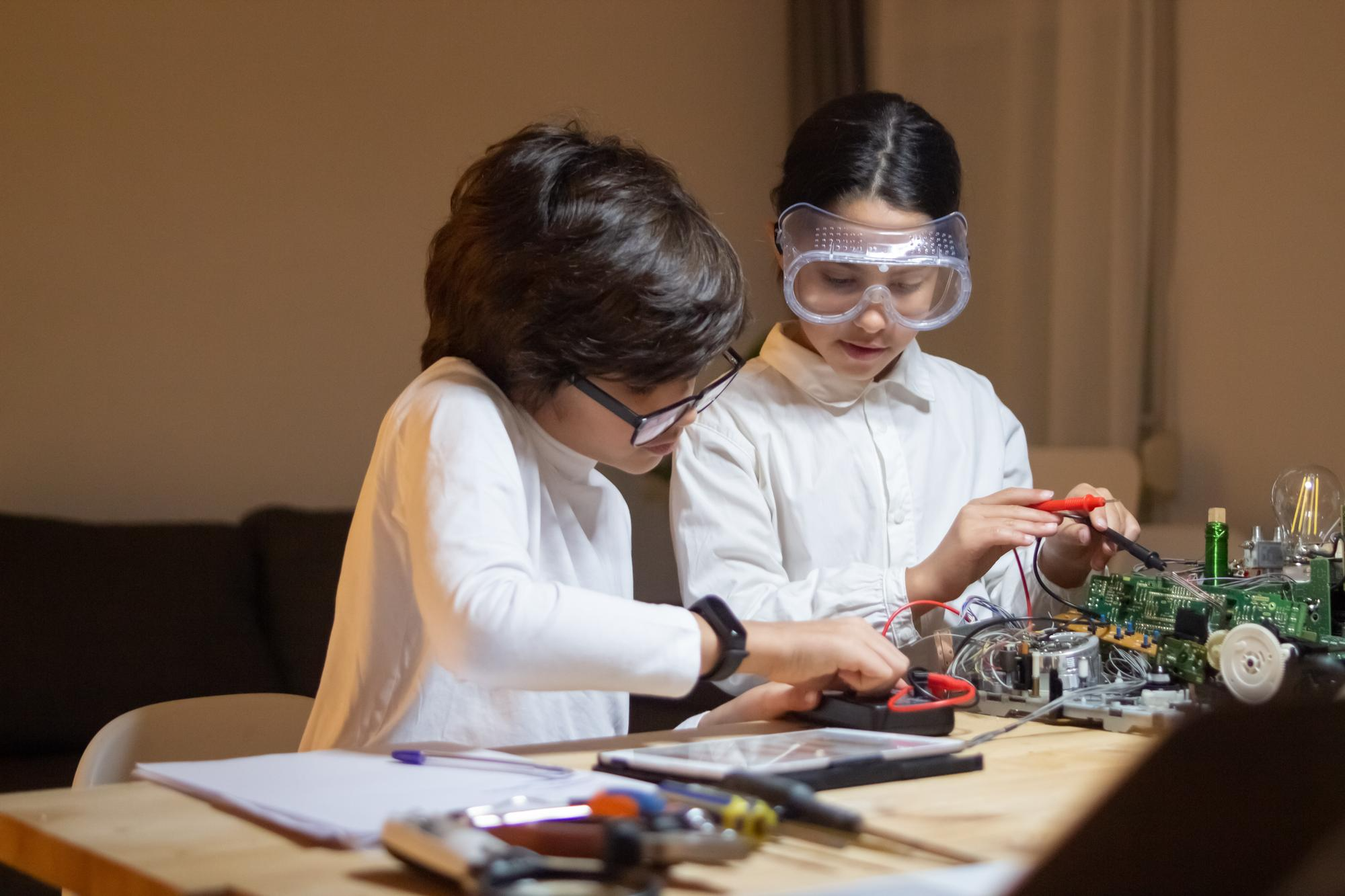
The latest programs aim to move beyond traditional rote learning methods by encouraging hands-on activities, experimentation, and interdisciplinary learning. Schools are increasingly integrating robotics, coding, artificial intelligence, design thinking, and research-based projects into classroom teaching.
Education experts believe these initiatives are essential for preparing students for future careers in rapidly growing sectors such as AI, cybersecurity, biotechnology, clean energy, and advanced manufacturing. As industries continue to evolve, schools are under pressure to create future-ready learning environments that promote creativity, analytical thinking, and technical skills.
STEM Education Programs Focus on Practical Learning
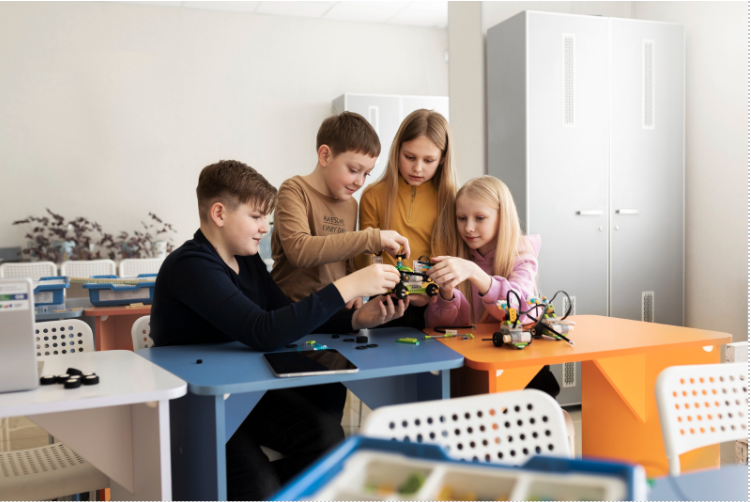
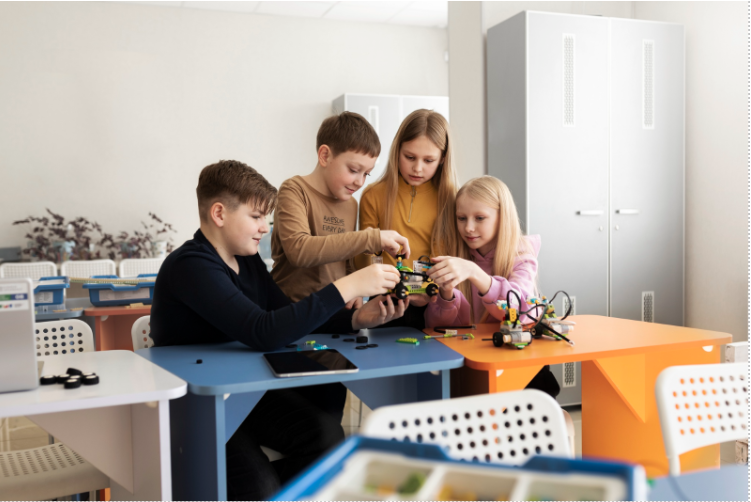
One of the biggest changes in recent years has been the growing emphasis on experiential learning. Schools are now introducing innovation labs, robotics workshops, coding clubs, and project-based assignments that allow students to apply theoretical concepts to real-world challenges.
Several state governments and educational organizations have partnered with technology companies to establish digital classrooms and modern science laboratories in schools. Programs linked to artificial intelligence, machine learning, and Internet of Things (IoT) are becoming increasingly common in urban as well as semi-urban educational institutions.
Initiatives such as Atal Tinkering Labs and innovation hubs are also encouraging students to participate in scientific experiments, prototype development, and entrepreneurship activities. Through these programs, students are learning how technology can address practical issues related to healthcare, agriculture, transportation, and sustainability.
Teachers are being trained to adopt interactive teaching strategies that improve student engagement and curiosity. Experts say this transformation could help students build stronger conceptual understanding while improving confidence in technical subjects.
The National Education Policy (NEP) 2020 has further accelerated this transition by promoting multidisciplinary learning and skill development at an early stage. Policymakers believe the integration of technology and innovation into school education will help India remain competitive in the global knowledge economy.
STEM Education in India Expands Through Government and Private Initiatives
The rapid expansion of STEM education in india is being supported by both public and private sector investments. Government schemes are encouraging schools to modernize infrastructure, while private institutions are collaborating with edtech platforms to offer specialized STEM programs
Many schools are now organizing coding marathons, robotics competitions, science exhibitions, and startup challenges to inspire innovation among students. Educational institutions are also inviting industry experts and scientists to conduct workshops and mentoring sessions.
In rural regions, digital learning programs are helping bridge gaps in access to quality science and technology education. Mobile science labs, virtual classrooms, and online learning platforms are making STEM resources available to students in underserved communities.
Experts believe these efforts can significantly improve employability and entrepreneurship opportunities for young learners in the future. India’s growing technology industry is expected to create demand for professionals with advanced analytical and technical capabilities, making STEM-focused learning increasingly important.
International collaborations are also helping Indian schools adopt global teaching standards and advanced educational tools. Several schools are integrating international STEM certifications and research-based learning models into their academic systems.
Technology Integration Changing the Future of Classrooms
Modern classrooms are rapidly becoming technology-enabled learning spaces where students interact with digital simulations, virtual labs, and AI-powered educational platforms. Schools are increasingly using gamified learning systems and collaborative digital tools to make lessons more engaging and effective.
Artificial intelligence is also helping educators personalize learning experiences based on student performance and learning styles. Experts say adaptive learning technologies can improve academic outcomes while reducing learning gaps among students.
In addition to technical knowledge, schools are focusing on communication, teamwork, leadership, and critical thinking skills. These competencies are considered essential for students entering highly dynamic and innovation-driven industries.
Education analysts believe India’s push toward technology-integrated learning could play a major role in strengthening the country’s future workforce. With industries evolving rapidly, schools are expected to continue investing in future-oriented educational programs.
Future of STEM Education in India
The continued growth of STEM education in india reflects the country’s broader vision of building an innovation-focused economy. Analysts predict that future educational reforms will further strengthen practical learning, research opportunities, and digital literacy programs.
As schools continue adopting advanced technologies and modern teaching practices, students are likely to gain better exposure to real-world applications of science and engineering. Experts believe these initiatives will help create a generation of learners capable of contributing to technological advancement and global innovation.
With strong policy support, expanding digital infrastructure, and rising awareness about future careers, STEM learning is expected to remain a key pillar of India’s educational transformation in the years ahead.