STEM education in India is gradually expanding beyond major cities as schools in underserved
regions adopt technology-enabled approaches to classroom learning. A recent example from
Tripura highlights how school leadership and investment in educational infrastructure can bring
modern STEM opportunities to rural students.
A government girls’ school in Sabroom has developed facilities including smart classrooms,
science laboratories, robotics resources, an Atal Tinkering Lab and virtual reality systems. The
initiative demonstrates how STEM education in India can become more accessible when schools
combine technology with practical teaching approaches.
Rural Schools Gain Access to Modern Learning
Technology-enabled education can make a significant difference for students in rural
communities. Schools with limited access to specialised learning environments can use digital
tools, laboratories and maker facilities to introduce students to concepts that may otherwise
remain theoretical.
The Tripura example shows how a rural school can develop a broader technology ecosystem
within its campus. Students can engage with science and technology through dedicated facilities
rather than depending entirely on textbook-based instruction.
This approach strengthens STEM education in India by connecting academic concepts with
practical experiences. It also shows the importance of school leadership in making new
educational resources meaningful for students.
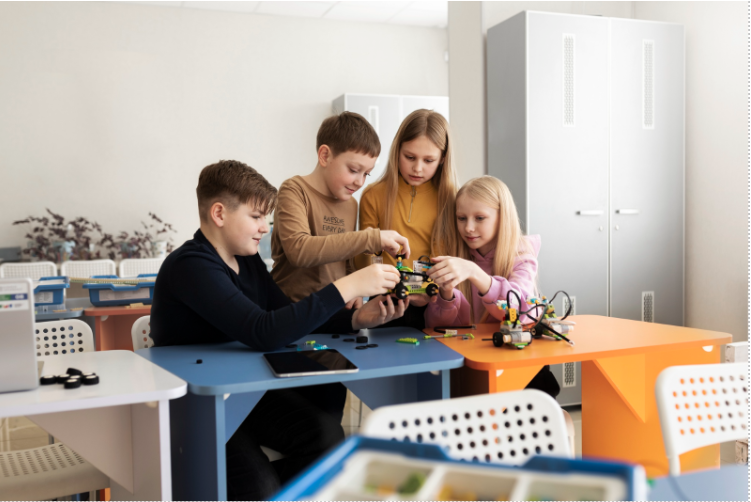
Robotics Adds a Practical Dimension
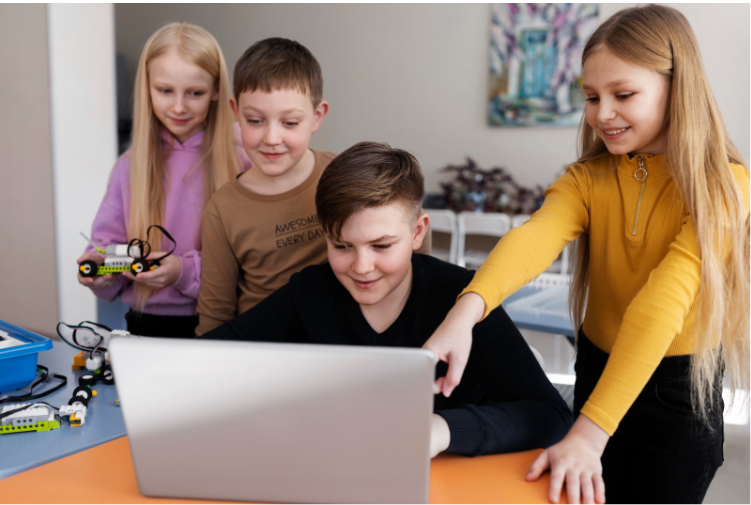
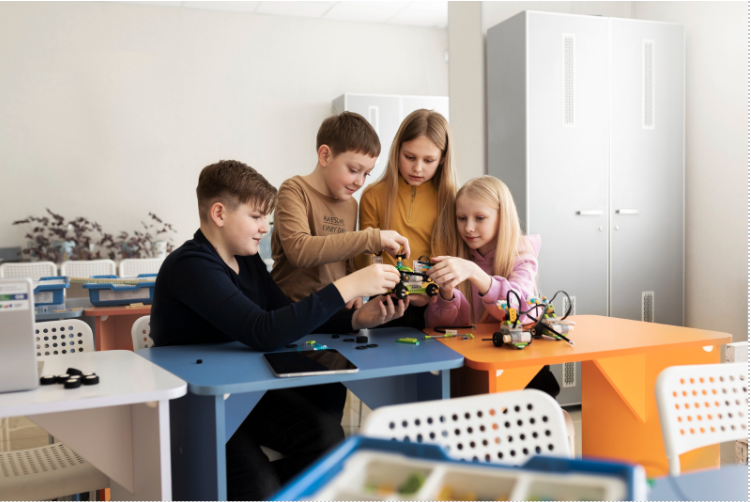
Robotics education gives students an opportunity to understand engineering, programming,
design and problem-solving through projects. Instead of learning technical concepts only through
written explanations, students can work with physical systems and observe how their decisions
affect outcomes.
The inclusion of robotics facilities and an Atal Tinkering Lab in a rural girls’ school reflects the
wider movement towards hands-on STEM learning. Such facilities can encourage students to
experiment, test ideas and learn from mistakes.
Robotics education can also introduce students to emerging career areas. Early exposure may
help learners understand how technology connects with engineering, automation and other
professional fields.
STEM Learning Can Support Greater Inclusion
The expansion of STEM education in India is also linked with the need to provide equitable
opportunities. Girls in rural communities may have fewer opportunities to interact with advanced
technology outside school.
Providing access within schools can help reduce this gap. It can also create learning
environments where students are encouraged to participate in science, technology and innovation
regardless of their location.
Rural STEM learning therefore has significance beyond infrastructure. The quality of teaching,
teacher preparation and the way students use available technology are equally important.
From Digital Access to Practical Skills
Technology-enabled education is most effective when digital resources are connected with
meaningful learning activities. Smart classrooms can support explanations and demonstrations,
while laboratories and robotics facilities can provide opportunities for students to apply concepts.
This combination can make STEM education in India more experiential. It can also help students
develop communication, collaboration, creativity and problem-solving skills alongside technical
knowledge.
The Tripura example demonstrates how rural schools can become important centres for
technology-supported learning when infrastructure and educational leadership work together.
Building a Stronger Rural STEM Ecosystem
The growth of rural STEM learning will depend on sustained access to equipment, trained
educators and relevant learning activities. Schools need support to ensure that laboratories and
technology are integrated into everyday teaching rather than remaining occasional facilities.
As more schools adopt robotics education and other practical approaches, STEM education in
India can move towards a model that gives students greater opportunities to create, experiment
and solve problems.
Faqs
STEM education in India combines science, technology, engineering and mathematics with
learning approaches that encourage investigation, problem-solving and practical application.
Schools are increasingly using laboratories, robotics and digital tools to support this approach.
Rural STEM learning can give students access to scientific and technological experiences that
may otherwise be difficult to obtain. It can help reduce differences in educational opportunities
between urban and rural communities.
Robotics education allows students to apply concepts from science, mathematics, engineering
and programming through practical projects. It can also strengthen creativity, teamwork and
problem-solving.
Technology-enabled education can provide digital demonstrations, interactive resources and
access to specialised learning tools. When combined with practical activities, it can make complex
STEM concepts easier to understand.
STEM education in India can be strengthened through better laboratories, trained teachers,
practical projects, technology access and stronger connections between classroom concepts and
real-world applications.