

STEM education in Chhattisgarh is receiving greater attention through an initiative supported by UNICEF in partnership with Samagra Shiksha. The programme aims to improve science, technology, engineering and mathematics learning among students in Classes 6–10.
The initiative focuses on strengthening classroom practices while expanding access to practical STEM experiences. It also places particular emphasis on girls, digital fluency and participation in technology-enabled learning.
Building STEM Education in Chhattisgarh
STEM education in Chhattisgarh is being approached as more than textbook-based science and mathematics instruction. The initiative seeks to make learning more practical, engaging and connected to real-world applications.
The programme covers government upper-primary and secondary schools. It aims to address gaps in STEM learning while helping students develop skills that can support further education and future careers.
This approach is particularly relevant for students transitioning into higher grades. Strong foundations in mathematics, science and digital skills can help learners approach more advanced subjects with greater confidence.
Strengthening Teachers Through Professional Development
Teachers play a central role in improving STEM learning in schools. The initiative therefore includes capacity building for teacher educators and school teachers.
Training can help educators introduce more activity-based approaches to science and mathematics. It can also support the use of technology, coding and practical problem-solving within regular classroom experiences.
This emphasis reflects UNICEF India’s broader work on teacher capacity and inclusive, quality education. UNICEF identifies teachers as key facilitators of children’s learning journeys.
Making STEM Learning More Experiential
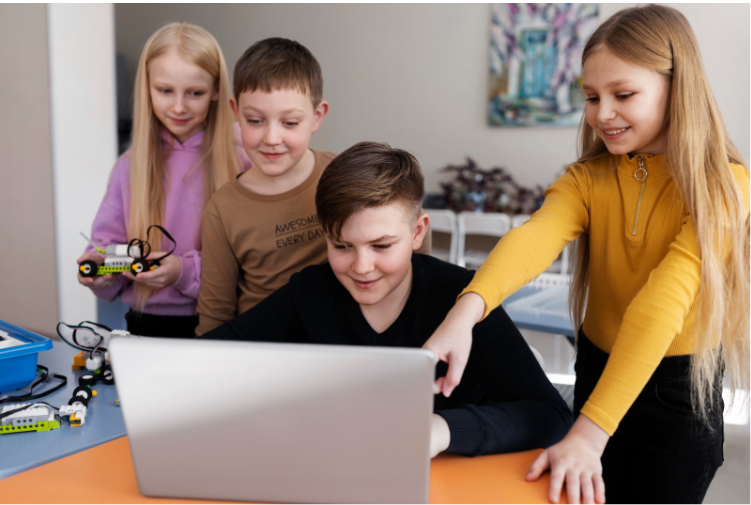
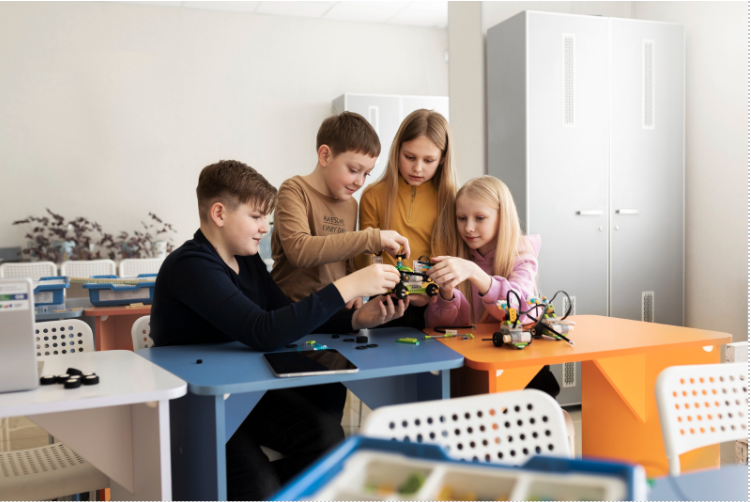
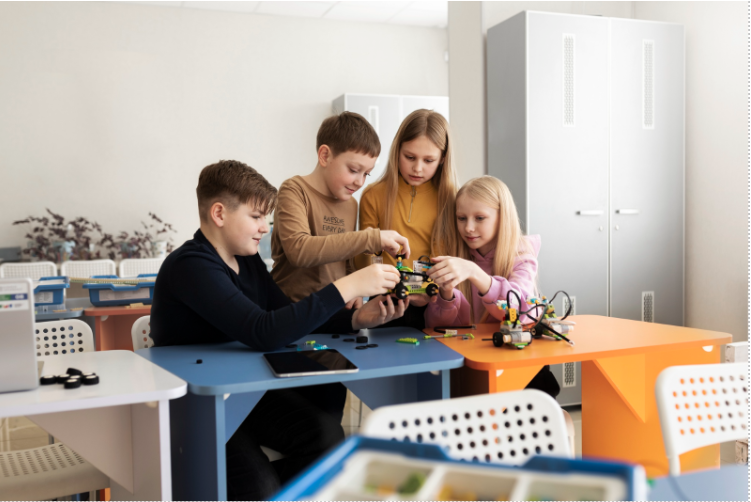
A major feature of the programme is the promotion of experiential learning. Instead of limiting STEM education to theoretical concepts, students can explore ideas through projects, experiments and hands-on activities.
The initiative also proposes using Atal Tinkering Labs and low-cost maker spaces to encourage practical learning. Such environments can give students opportunities to design, test and improve their own solutions.
Experiential STEM learning can also strengthen skills such as creativity, collaboration and problem-solving. These abilities are increasingly important alongside subject knowledge.
Expanding Digital Fluency Among Girls
The initiative gives specific attention to girls’ participation in STEM. Digital fluency and coding skills are among the areas highlighted for development.
This focus addresses a wider challenge in education, where gender and social circumstances can influence access to learning opportunities. UNICEF India has consistently highlighted the importance of gender-responsive and inclusive education.
Greater exposure to technology during school years can help girls see STEM as an accessible area of learning. It can also provide opportunities to develop practical skills before making choices about higher education or careers.
Linking STEM Education With Better Learning Outcomes
The programme is designed around improving STEM learning outcomes rather than simply increasing exposure to technology.
Gap mapping, teaching resources, teacher development and monitoring mechanisms are among the proposed elements. The approach aims to identify learning needs and use evidence to improve implementation over time.
This is important in Chhattisgarh, where UNICEF has previously worked with education authorities on improving learning through locally responsive approaches. Its work in the state has included partnerships with Samagra Shiksha Chhattisgarh and efforts to make classroom learning more accessible.
Why Inclusive STEM Education in Chhattisgarh Matters
Inclusive STEM education can influence how students approach future study and employment opportunities. Early exposure can make technical subjects less intimidating while helping learners recognise their own abilities.
For girls in particular, access to practical STEM experiences can challenge assumptions about who can participate in science and technology. Providing supportive teachers, relevant resources and hands-on activities can make classrooms more inclusive.
The Chhattisgarh initiative therefore combines academic learning with broader objectives around digital skills, participation and educational equity.
FAQs
The initiative aims to improve STEM learning outcomes for students in Classes 6–10 through teacher development, experiential learning, digital fluency and better educational resources.
It focuses on improving girls’ participation in STEM through digital fluency, coding opportunities and greater access to practical learning experiences.
Teacher training helps educators adopt practical and student-centred approaches. It can also strengthen their ability to use technology and hands-on activities effectively.
Atal Tinkering Labs can provide students with spaces to experiment, build and solve problems. The Chhattisgarh initiative identifies ATLs and low-cost maker spaces as potential platforms for experiential STEM learning.
The initiative is supported by UNICEF in partnership with Samagra Shiksha and focuses on government upper-primary and secondary schools in Chhattisgarh.