
Karnataka Government to Introduce STEAM-Based Education in Public High Schools
Public Schools Gain Access to Modern Learning Approaches
Creativity and Innovation Become Classroom Priorities
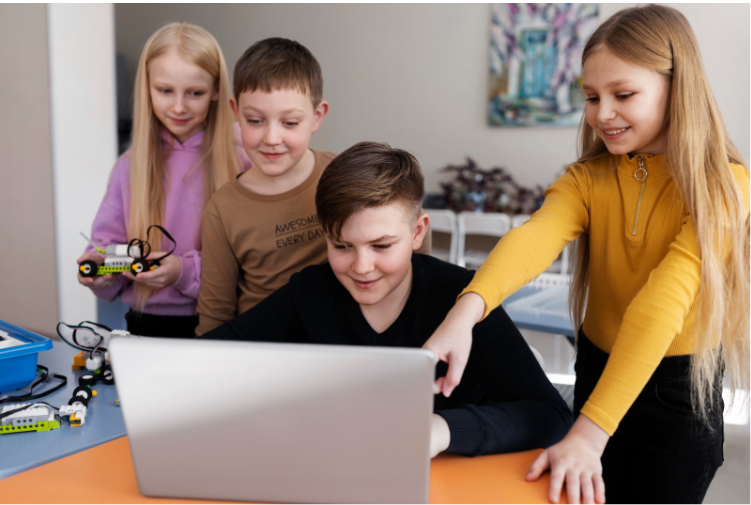
STEAM (Science, Technology, Engineering, Arts and Maths) education encourages students to combine creativity with technical skills. STEAM students are encouraged to look at issues/ problems from a number of different angles, bring ideas together from different areas of study and develop new, original solutions.
With industries such as artificial intelligence (AI), automation, robotics and digital design rapidly changing due to technology, creative thinking is becoming increasingly important. Employers are looking for people who can adapt to fast-changing environments and demonstrate creativity and problem-solving skills.
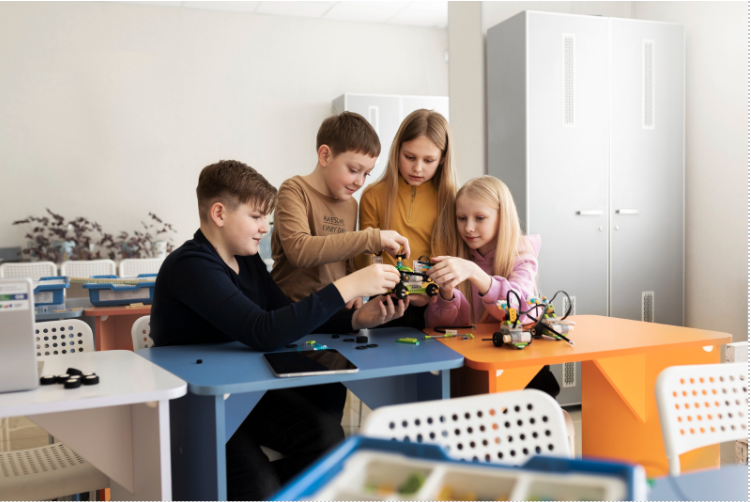
Experts in education are saying that by incorporating arts-based thinking into STEM programs, it will enhance students' creativity and self-confidence. STEAM classrooms offer students opportunities to experiment, collaborate and continuously improve their knowledge and abilities rather than just learn through rote memory.
The skills and experience gained in STEAM classrooms are transferable to many different fields of study or work.
Teacher Training and Infrastructure Will Be Key
It is clear that successful STEAM implementation requires more than just changes to the curriculum; it also requires teachers to be well-prepared and have sufficient infrastructure to deliver STEAM instruction. Teachers need to participate in professional development to provide effective interdisciplinary instruction and facilitate project-based learning.
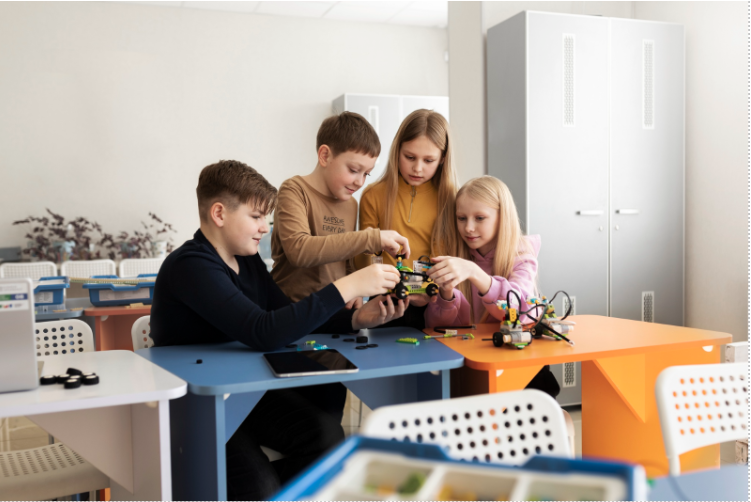
Having access to resources such as science labs, digital technologies, makerspaces, creative products, and group-oriented classrooms will support experiential education.
Experts in education have stated that teachers need continued investment in developing their capacity for the long-term success of schools and students. Continued training will help teachers integrate technology, design thinking, and inquiry-based learning into their day-to-day teaching practices.
In order for schools to have a successful transition to STEAM-based education, they will need the support of government, the planning of educational institutions, and partnerships with educational organizations.
Preparing Students for Future Careers
In an increasingly technological and innovative world, the education system is focusing more and more on preparing students for their futures with the skills (competencies) and knowledge (through academic experience) they will need when they graduate from school. The goal of STEAM education is to provide students with both the needed competencies, and the academic knowledge, to develop those needed competencies throughout their lives.
Some examples of competencies that students will develop in STEAM education include teamwork, communication skills, leadership abilities, analytical thinking, digital literacy, and creative problem-solving. Competencies such as these are very important for students to possess if they wish to pursue post-secondary education, or if they wish to work in a competitive job market.
There is a belief from researchers studying education that providing students with interdisciplinary learning experiences when they are young will help them develop a desire to continuously learn, as well as expose them to possible careers in: engineering, healthcare, technology, architecture, environmental science, design, and entrepreneurship.
STEAM education also provides equal emphasis on developing technical and creative skills so that students can successfully adapt to the ever-changing economic and technological landscape.
Looking Ahead
The introduction of STEAM-based education in high school by Karnataka marks a significant milestone in advancing the modernization of school education in that state. STEAM education seeks to provide students with innovative, creative and critical-thinking skills by combining science, technology, engineering, arts and math into an integrated cohesive way of learning.
The program's success depends on how well it is implemented, including teacher training, infrastructure development and ongoing investment in modern educational facilities. STEAM education can significantly change student learning experiences throughout the government school system if effective support systems are put into place.
As education continues to adapt to meet future needs, this type of program exemplifies the increased significance of using interdisciplinary approaches to learning as a way of preparing students for advanced education, new careers and lifelong achievement. Karnataka's example may also serve to inspire other states wanting to enhance the innovation and skill-based educational offerings in their public school systems.