Rashtriya Vigyan Puraskar 2025 Honours Young STEM Innovators
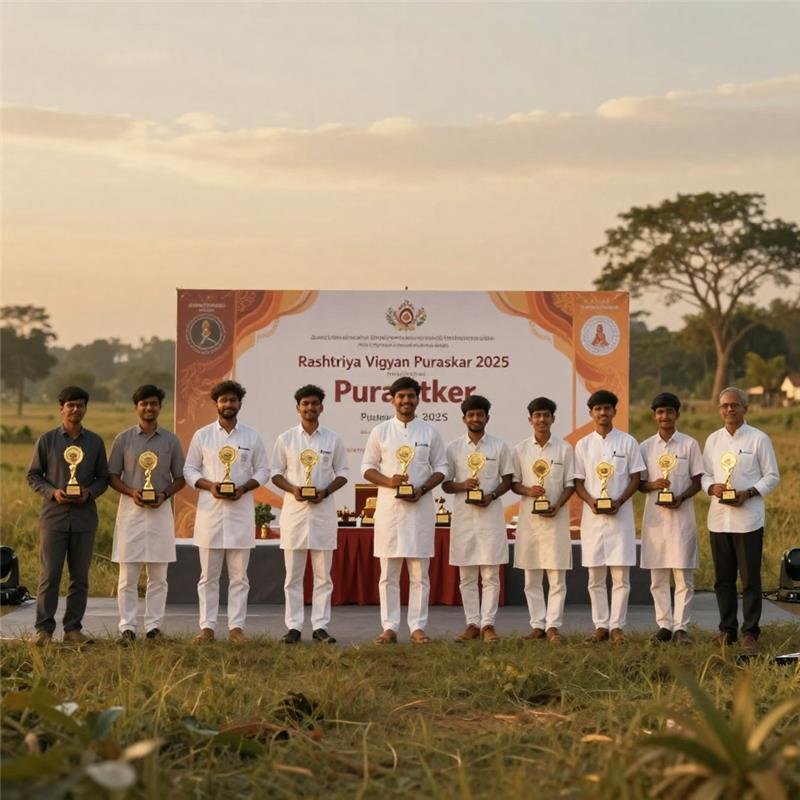
In a hall filled with models of satellites, robotics projects, and science posters, a quiet buzz of excitement turned into thunderous applause as the Rashtriya Vigyan Puraskar 2025 was announced for a new generation of young STEM innovators. This year’s awards did more than just recognise scientific excellence; they told a powerful story of how India’s students are using science, technology, engineering, and mathematics to solve real-world problems and reimagine the future of the country.
A Stage Where School Innovators Shine
The Rashtriya Vigyan Puraskar 2025 ceremony brought together students, teachers, researchers, and policymakers under one roof, showcasing how school-level STEM education is transforming into tangible innovations. Projects ranged from low-cost robots for classroom learning to AI-based systems that help farmers predict crop diseases and conserve water. These weren’t just science fair models; they were prototypes with the potential to scale, inspire, and impact communities.
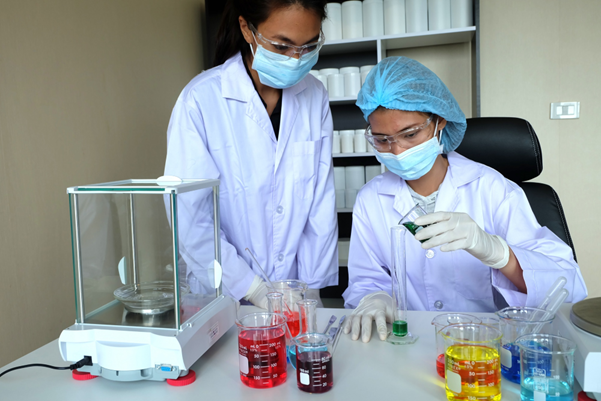
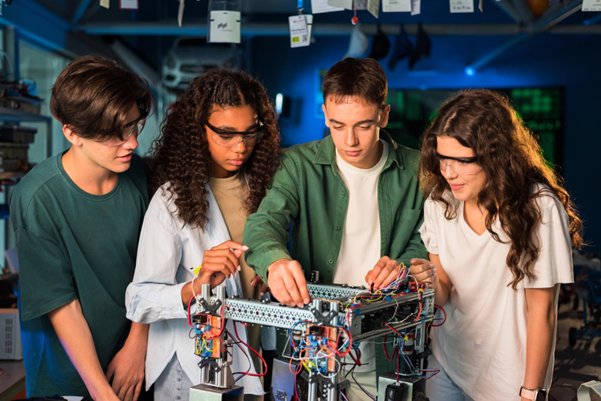
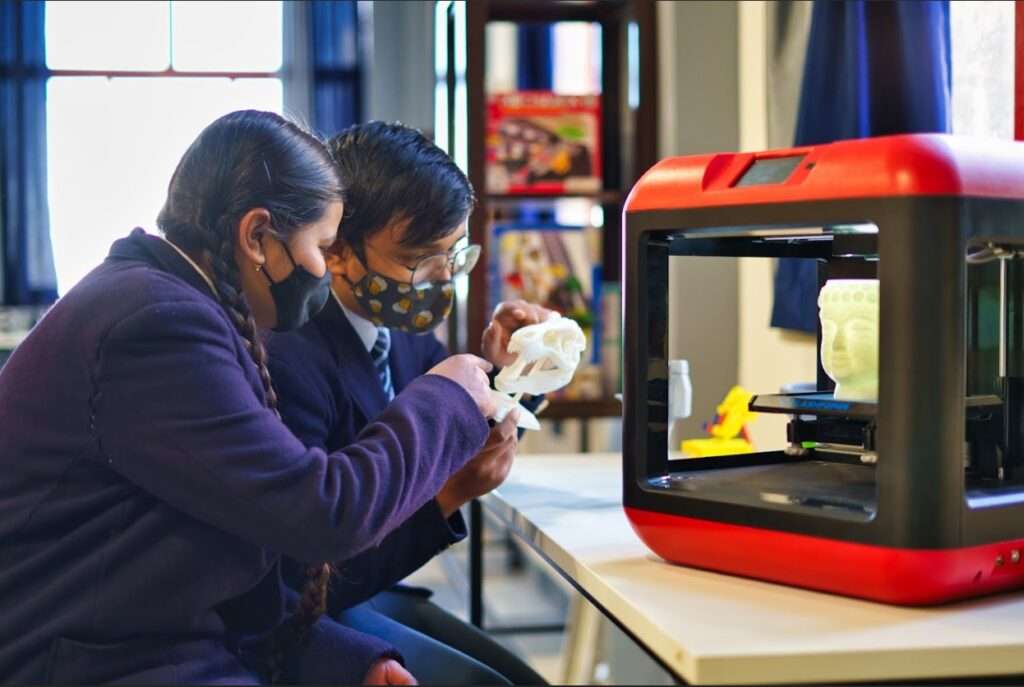
For many of the young awardees, their journeys began in school labs, Atal Tinkering Labs, and small robotics clubs where curiosity was encouraged and failure was treated as a stepping stone. Teachers spoke about late evenings spent debugging circuits, rewriting code, and iterating designs—all to prepare students not just for a competition, but for a future where STEM thinking becomes a way of life.
Stories Behind the STEM Breakthroughs
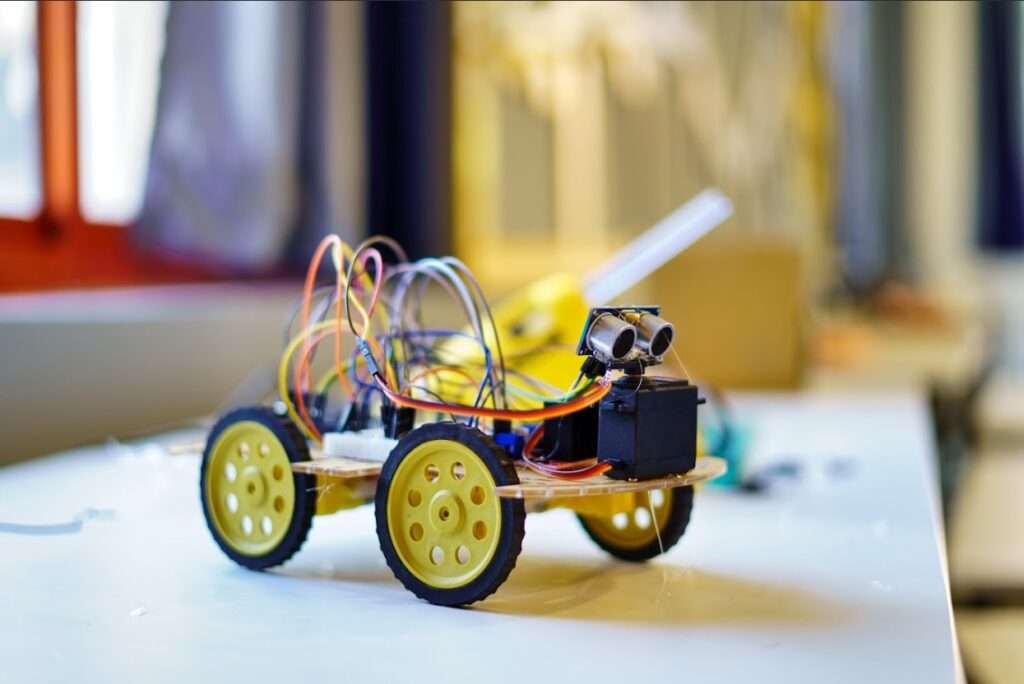
One student team developed a robotics-based solution to assist visually impaired people in navigating crowded spaces, using sensors and simple coding logic learned in school. Another group created an IoT-based flood warning system after witnessing monsoon floods in their hometown, turning a local crisis into a STEM challenge they could solve. These stories echoed a common theme: when students are given access to tools, mentors, and space to experiment, they turn empathy into innovation.
The awards also highlighted the pivotal role of hands-on learning in STEM education. Instead of limiting science to textbooks and exams, schools that encouraged tinkering, prototyping, and interdisciplinary projects saw their students excel. Robotics kits, coding platforms, and maker-space activities helped learners understand complex concepts through play, exploration, and problem-solving.
National Vision for STEM Education
Rashtriya Vigyan Puraskar 2025 fits into a larger national vision to position India as a global hub for innovation and research. By celebrating young STEM innovators on a national stage, the awards send a clear message: school students are not just learners, they are contributors to the country’s scientific ecosystem. This aligns with ongoing efforts to strengthen STEM curricula, expand lab infrastructure, and introduce more experiential learning opportunities in schools.
Policymakers at the event emphasised how STEM education is critical for building future-ready citizens who can thrive in fields like AI, robotics, space science, biotechnology, and clean energy. They underscored the importance of supporting rural and under-resourced schools with labs, training, and digital access so that talent from every corner of India can emerge and be recognised in platforms like the Rashtriya Vigyan Puraskar.
SEO-Focused Angle: Why Rashtriya Vigyan Puraskar 2025 Matters for STEM Students
For students, parents, and educators searching for opportunities in STEM competitions, the Rashtriya Vigyan Puraskar 2025 stands out as a landmark event that showcases what is possible when curiosity meets guidance and resources. The awards highlight:
- How STEM education in Indian schools can lead to national recognition
- How robotics, coding, and AI projects can move from classroom experiments to award-winning innovations
- How government-backed awards encourage more schools to invest in STEM labs and robotics clubs
This makes the Rashtriya Vigyan Puraskar not just an award, but a powerful symbol of India’s growing STEM culture.
Inspiring the Next Wave of Innovators
Rashtriya Vigyan Puraskar 2025 is more than a list of names and trophies; it is a narrative of how India’s classrooms are turning into incubators of innovation. The young STEM innovators honoured this year show that with the right ecosystem—supportive teachers, accessible labs, and a culture that celebrates experimentation—students can design solutions that matter.
For every child tinkering with a robot, experimenting with sensors, or writing their first lines of code, these awards serve as a beacon: your ideas can travel from a small school lab to a national stage. And that is how a nation quietly builds its scientific future, one young innovator at a time.