Promoting Sustainability and Leadership: New International Initiatives by WUNU in STEM Education and Youth Support
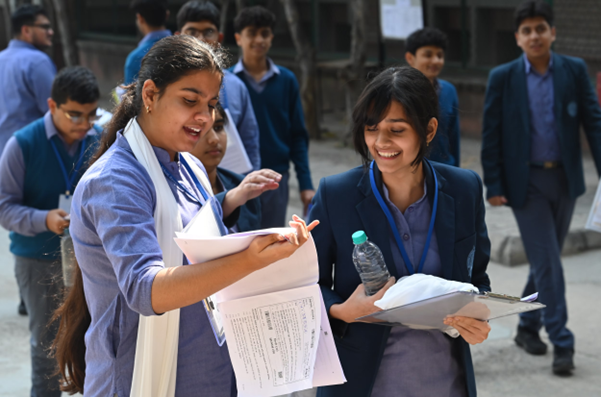
West Ukrainian National University (WUNU) recently hosted a pivotal international online meeting aimed at expanding cooperation between the university and the American-Ukrainian organisation Brave Generation, with a special focus on sustainability, leadership and enhanced opportunities in STEM education and youth development. The event brought together a group of educators, experts and programme leaders to discuss collaborative strategies that support young people affected by the war, especially internally displaced persons, in building resilient, future-driven careers grounded in science, technology, engineering and mathematics (STEM).
The session was attended by key figures including Oksana Koval, Director of WUNU’s Education and Research Centre for Communications; Ida Menton, an expert in international negotiations and former OSCE programme officer; Anastasi. Promoting Sustainability and Leadership: New International Initiatives by WUNU in STEM Education and Youth Support
a Vlasenko, Vice-President of Brave Generation; and Diana Boiko, coordinator of WUNU’s STEM Laboratory, among others. Together they explored ways to unite international and local resources to strengthen educational programmes, mentoring schemes, psychological support and leadership development for youth.
A central theme of the discussion was the enhancement of STEM education and support for young women in these fields. By contextualising STEM learning within both socio-economic recovery and gender equality, the initiative aims to cultivate a new generation of digitally literate, innovative leaders who can contribute to Ukraine’s economic renewal and democratic evolution. Such goals connect deeply with broader global efforts that emphasise inclusive STEM learning, leadership skills and sustainability as crucial for community advancement.
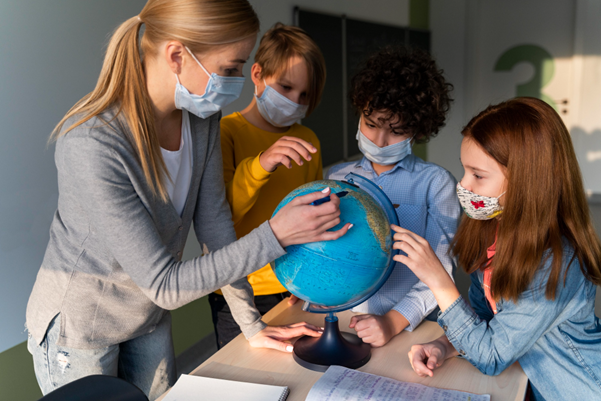
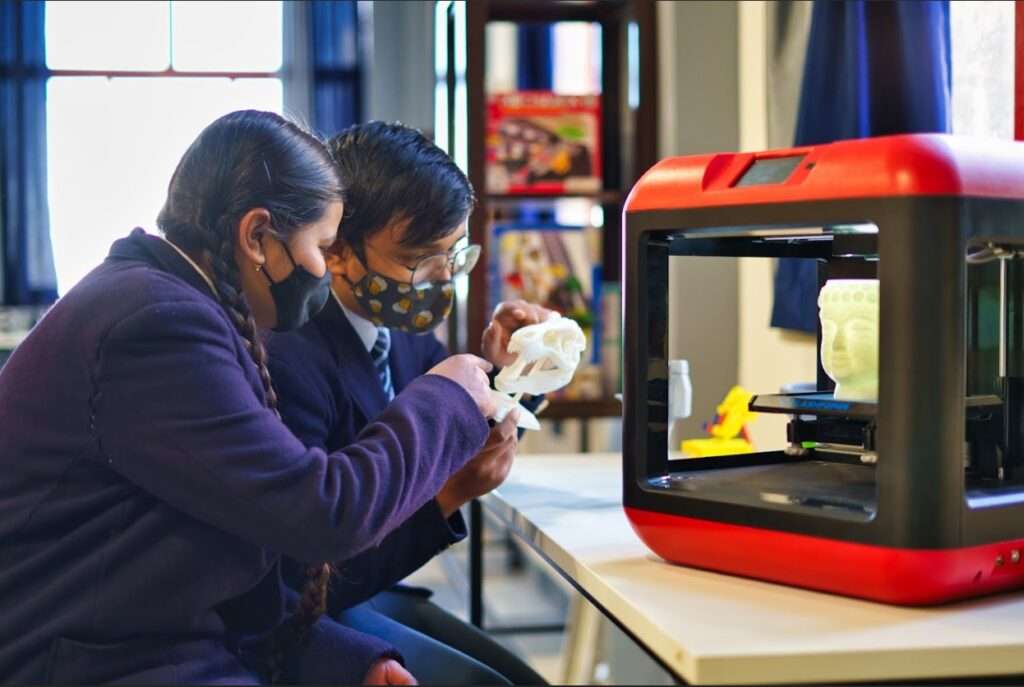
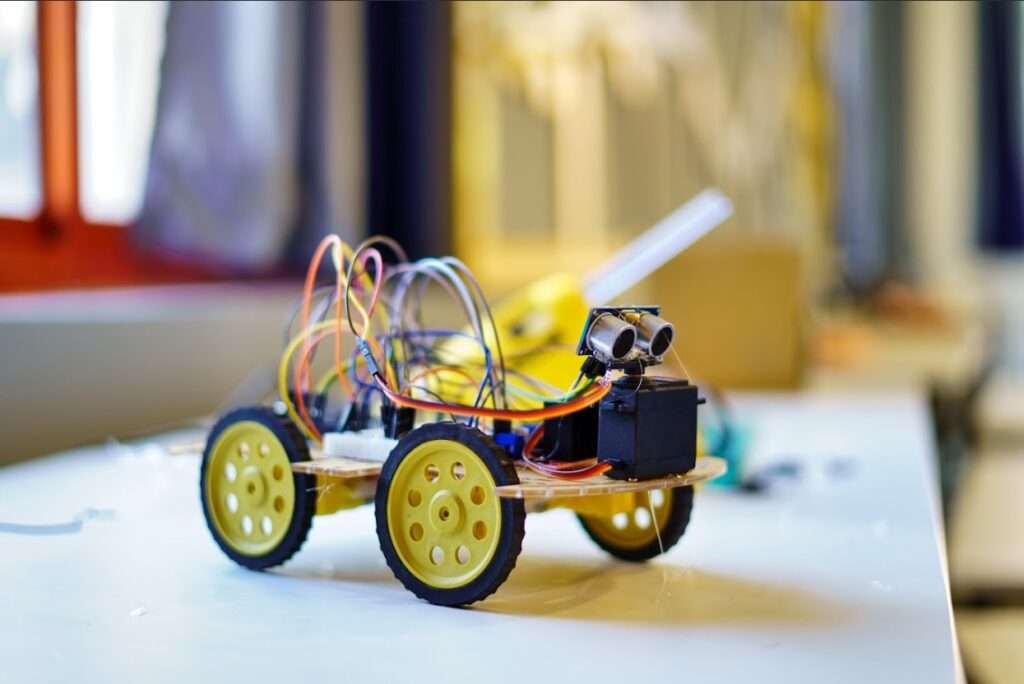
WUNU also showcased its modern STEM space, an innovative learning environment used richly by students, schoolchildren and displaced young people. This space is intended to function not merely as a classroom, but as an interactive laboratory and incubator for creative exploration and skill development across areas like robotics, coding, digital design and interdisciplinary STEM projects.
Another important area of dialogue was psychological support initiatives, including the use of virtual reality (VR) technologies and interdisciplinary programmes designed to assist not only students but also war veterans and children who may face emotional and mental health challenges. This holistic approach reflects a recognition that education and psychosocial wellbeing are deeply interconnected, particularly in contexts affected by conflict.
The partnership with Brave Generation holds significant promise. That organisation runs comprehensive youth-centred programmes such as Fellowship scholarships for admission preparation to leading global universities, the ImpactUA initiative that brings students from Ukraine and the U.S. into nonprofit work, and EmpowerHER, a leadership development programme supported by UN Women. These initiatives provide not only educational access but also mentoring, language support and community engagement opportunities for talented young Ukrainians.
Overall, the meeting underscored WUNU’s commitment to sustainability, leadership and international collaboration in STEM education. By fostering partnerships, expanding educational resources, and integrating psychosocial support with advanced learning spaces, WUNU and its partners are building pathways for youth to thrive academically, socially and professionally even in challenging circumstances.