Preparing for Tomorrow: How Education is Shaping Future Skills in AI, Sustainability & Innovation
The world is changing faster than ever, and education systems across the globe are evolving to keep pace. Traditional learning models are no longer enough to prepare students for the demands of the modern workforce. As industries transform with rapid technological advancements and global challenges like climate change, there is a growing focus on equipping students with future-ready skills, particularly in Artificial Intelligence (AI), sustainability, and innovation.
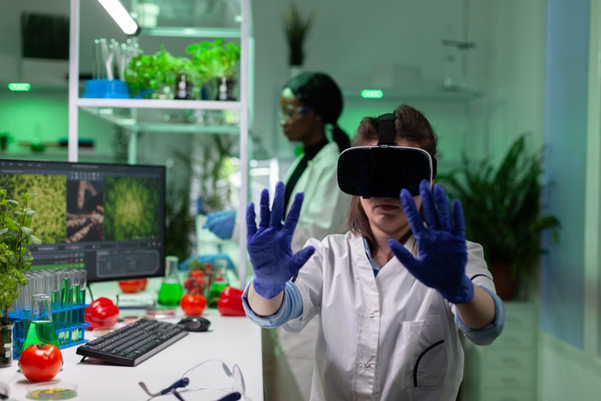
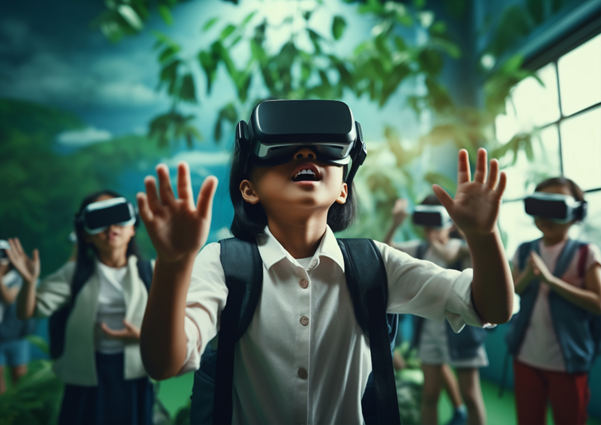
One of the most significant shifts is the integration of AI literacy into education. Students are no longer just passive users of technology; they are being taught how it works, how to create with it, and how to use it responsibly. From understanding basic algorithms to exploring machine learning concepts, AI education is helping students develop critical thinking and digital problem-solving skills. This knowledge is becoming as essential as reading and mathematics in today’s digital world.
At the same time, there is a strong emphasis on sustainability and climate science. With growing environmental concerns, education systems are introducing topics such as renewable energy, conservation, and sustainable development into their curriculum. Students are encouraged to think about real-world environmental problems and come up with innovative solutions. This not only raises awareness but also nurtures a sense of responsibility toward the planet.
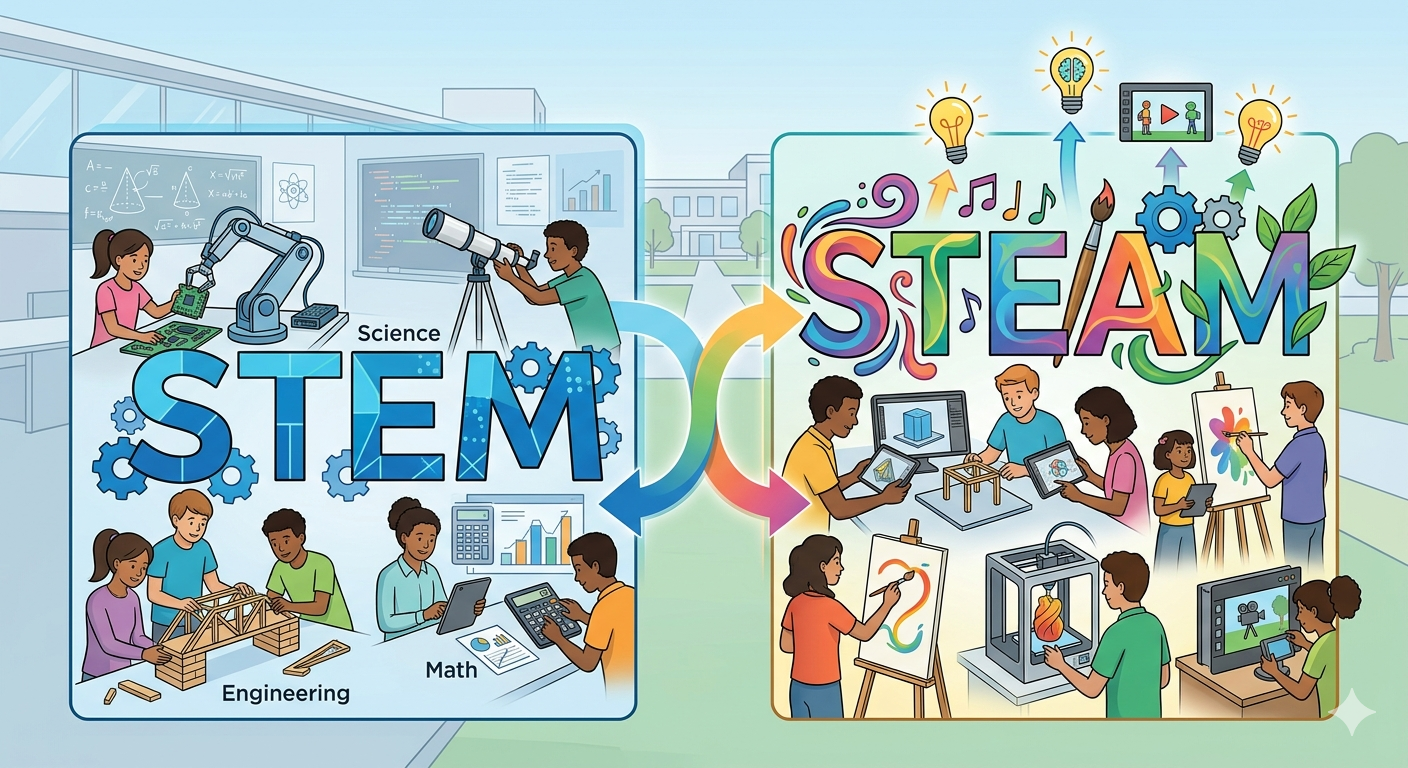
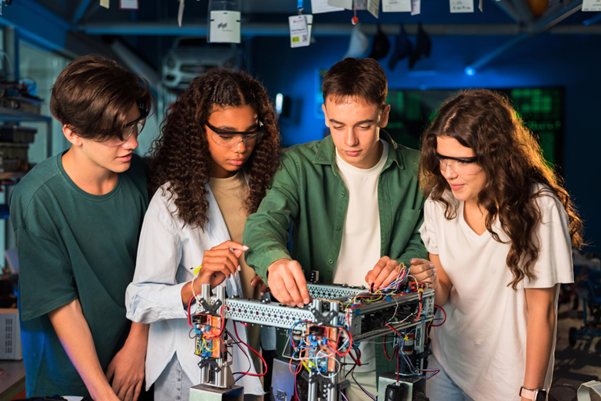
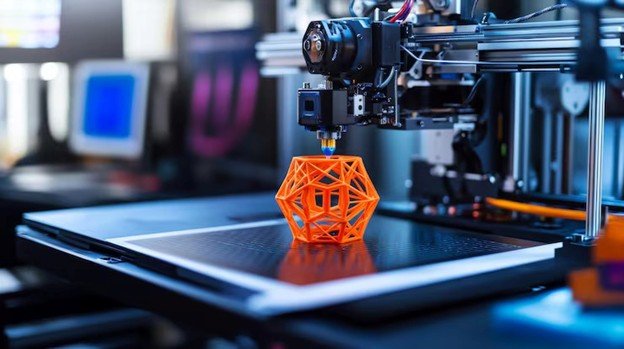
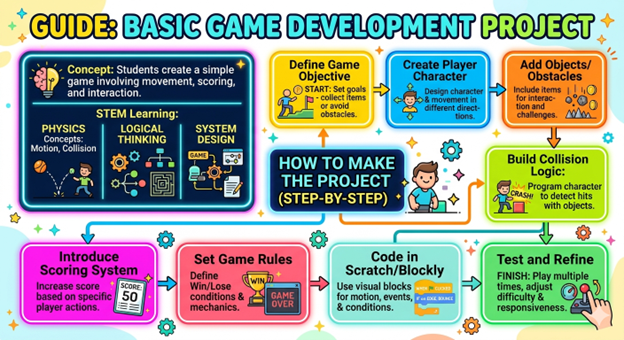
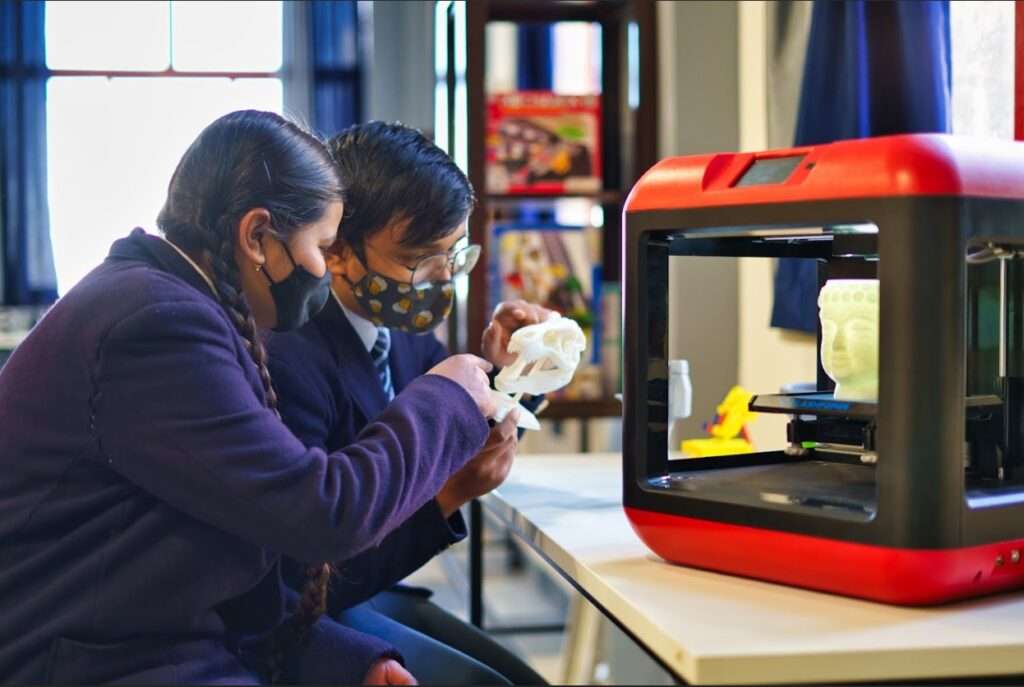
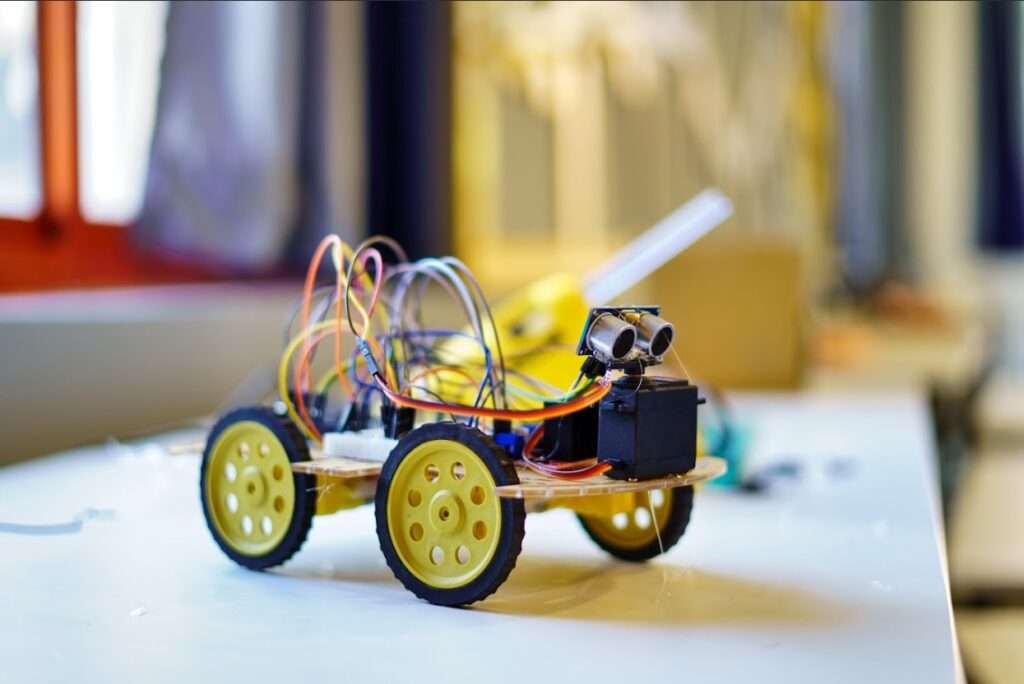
Another major development is the early exposure to robotics, coding, and innovation-driven learning. Schools are increasingly incorporating hands-on activities where students can build robots, write code, and work on creative projects. These experiences help learners understand how technology interacts with the real world while boosting their creativity and confidence. Innovation is no longer limited to higher STEM education; it is being cultivated from a young age.
What makes this transformation even more important is the fact that many future careers do not yet exist. Roles in fields like AI ethics, climate technology, space exploration, and advanced robotics are emerging rapidly. By focusing on adaptable skills such as problem-solving, creativity, collaboration, and critical thinking, education systems are preparing students to navigate an uncertain and ever-changing future.
Moreover, this approach encourages a mindset of continuous learning. Students are trained not just to acquire knowledge, but to evolve with it. They become more flexible, open to change, and capable of learning new skills as industries grow and shift.
In conclusion, the focus on AI, sustainability, and innovation represents a forward-thinking approach to education. It ensures that students are not just prepared for today’s jobs, but are ready to create and lead the opportunities of tomorrow, many of which are yet to be imagined.