Will the New Education Minister Resolve the CBSE OSM Crisis?
The selection of India's new Secretary for Education, Union of India has sparked expectations among parents, students and teachers in the hope that CBSE On-Screen Marking (OSM) problem will finally be resolved by an effective solution. In 2026, the Class 12 evaluation controversy, caused by the introduction of the On-Screen Marking system, resulted in numerous complaints regarding scanned answer sheets, discrepancies between evaluations problems with portals, as well as delays in re-evaluation processes. The controversy also led to legal scrutiny, protests and calls for systematic reform.

While a change of leadership could speed up reforms, experts in education say that solving the issue requires institutional changes as well as greater transparency and long-term implementation, not change in leadership on its own.

Understanding the CBSE OSM Crisis
CBSE launched the On-Screen Marking (OSM) system to improve the assessment of the Class 12 answer sheets using scans and online assessments.
The initiative was aimed at:
- Reduce manual errors.
- Increase speed of result processing.
- Enhance the consistency of evaluation.
- Digitalize the process of examination.
But, when the 2026 results for the board were released, a number of students complained about issues like:
- Scanned pages that have blurred or missing scans.
- Answers that are not checked.
- Astonishingly low marks.
- Problems accessing scans of answer sheets.
- There are technical issues with the portal for re-evaluation.
These issues resulted in a rapid increase in inquiries for answer sheets and re-evaluations.
What the New Education Minister Inherits
The newly appointed minister will face numerous immediate challenges, among them:
- Restoring confidence in the CBSE’s evaluation system.
- Assuring timely and fair re-evaluation.
- Improved communication with parents and students.
- Strengthening digital infrastructure.
- Monitoring investigations into implementation issues.
The Supreme Court has also expressed concerns about the effects of the student crisis, stressing the need for effective solutions and more accountability.
Reforms That Could Make a Difference
Experts in education have suggested a number of ways to improve the process of evaluation:
- Independent audits of electronic evaluation systems.
- Higher quality checks on scanned answer sheets.
- Data protection and stronger cybersecurity.
- More transparent re-evaluation methods.
- A faster grievance resolution.
- Comprehensive training for evaluators using digital platforms.
CBSE has previously stated that it will be consulting students teachers, schools, and students before deciding on the next growth of its OSM system.
..
Restoring Student Confidence
Rebuilding trust requires more than just technical solutions. Parents and students are searching for:
- A clear communication throughout the outcome and review process. Clear communication throughout the review and result.
- Prompt solution of grievances.
- A fair and precise marking.
- Dependable digital systems that can manage high demand.
- More transparency throughout the exam period.
The ability to address the expectations of students will be crucial to restore confidence in India’s exam method.
Supporting Broader Education Reforms
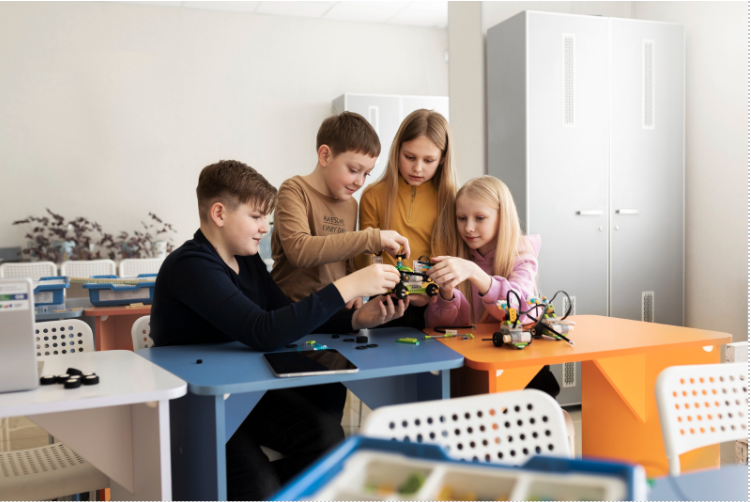
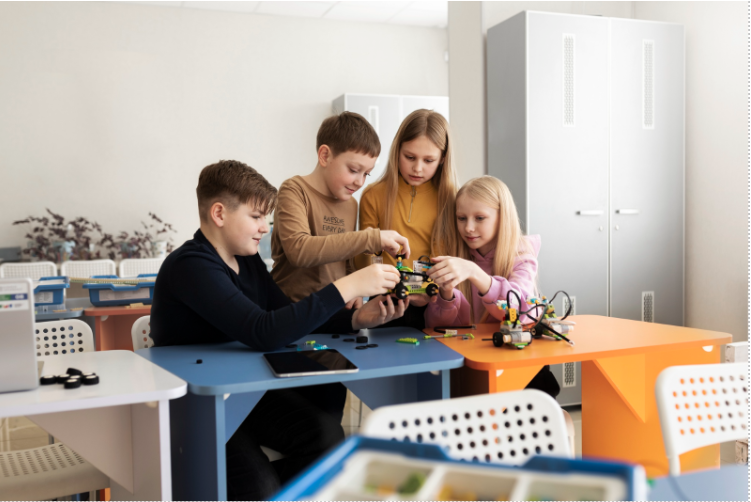
The OSM controversy is occurring in a period when CBSE is working on broader reforms in the National Education Policy (NEP) 2020. Alongside exam improvements and initiatives like the composite skill labs CBSE help schools improve their the practical aspects of learning using robotics as well as programming, artificial intelligence vocational education, as well as technological innovation.
To ensure that these changes be successful, assessment systems must be perceived as reliable, transparent and student-centered.
Looking Ahead
The extent to which the newly appointed Education Minister will be able to solve the CBSE OSM problem will depend on how well both the Ministry and CBSE make promises and put them into action. Leaders can set goals, but enduring change will require a more robust infrastructure for digital, transparent evaluating methods, a responsive grievance mechanism and constant stakeholder involvement.
If these reforms are successfully implemented and the lessons in the 2026 OSM controversy could help create an examination system that is more durable, one which complements larger initiatives like the the composite skill lab CBSE which promotes an open, modern education system for the millions of students in India.