
Martha’s Vineyard Public Charter School Celebrates 30 Years of Community-Centered Education
Student-Centered Learning Remains a Core Priority
Experiential Learning Strengthens Academic Development
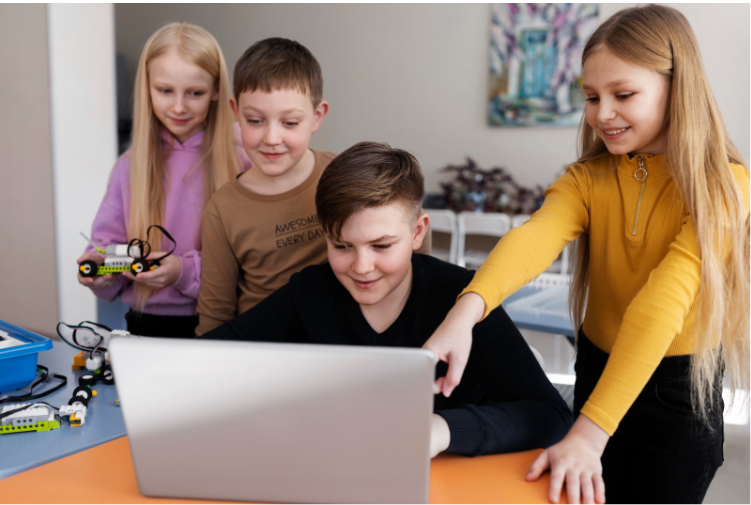
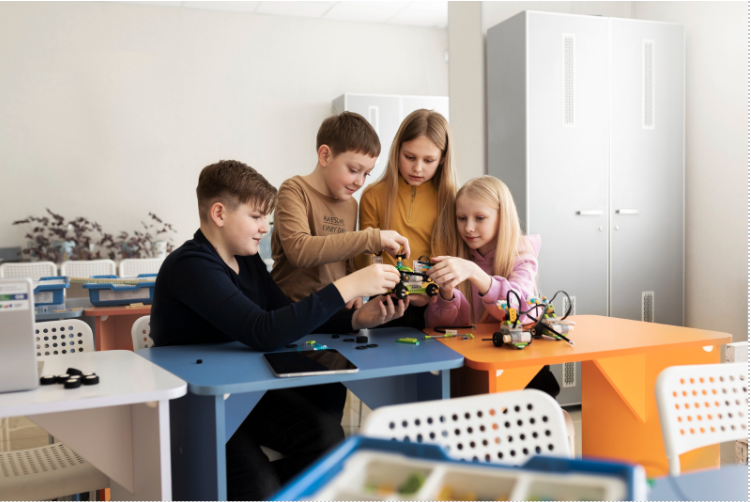
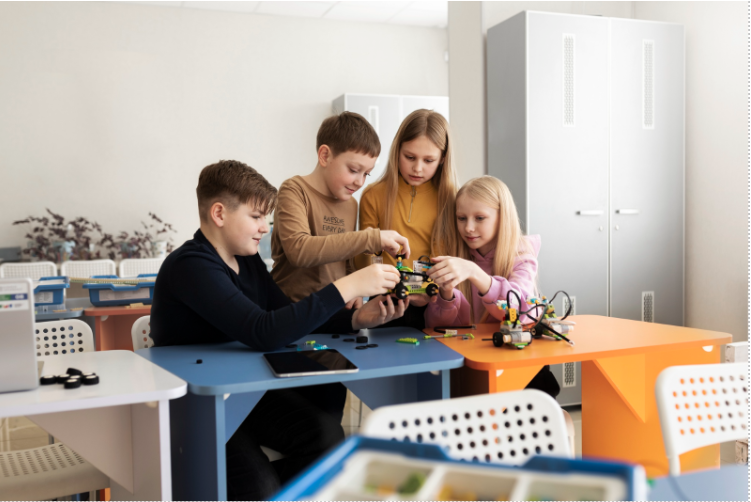
Experiential learning has become an increasingly important component of modern education. Through projects, field experiences, internships, and community partnerships, students gain opportunities to apply classroom knowledge in practical settings.
These experiences help learners develop problem-solving abilities, teamwork skills, and a deeper understanding of academic concepts. Educational experts emphasize that experiential learning encourages active participation, making education more engaging and memorable.
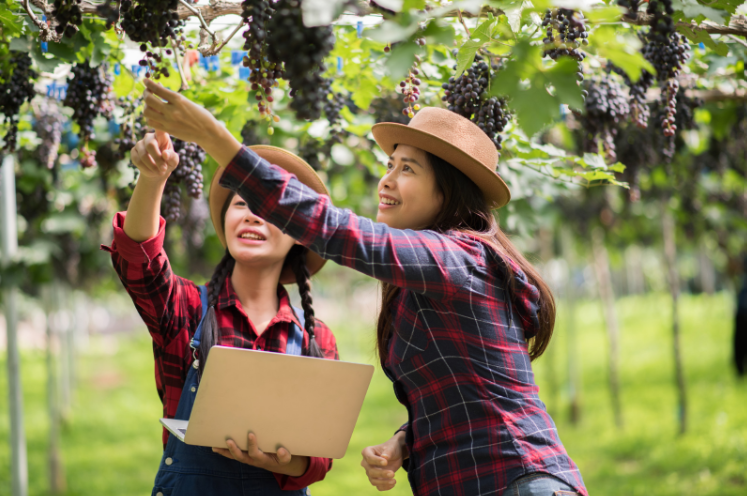
Research partnerships contribute to the advancement of science as researchers from different disciplines and cultures come together to find new solutions to existing problems or to develop completely new methods of solving these challenges.
Schools that integrate hands-on learning often report stronger student involvement and greater enthusiasm for academic exploration. By encouraging students to learn through experience, educators can help cultivate lifelong curiosity and a love of learning.
As educational priorities continue evolving, experiential learning remains a valuable strategy for supporting both academic achievement and personal development.
Building Strong School-Community Relationships
A key element of community-centered education is the development of strong relationships between schools and the communities they serve. Partnerships with families, local organizations, businesses, and civic groups create opportunities for collaboration and shared learning.
These relationships help schools provide students with broader educational experiences while fostering a sense of belonging and responsibility. Community engagement also encourages students to become active participants in addressing local challenges and contributing to positive outcomes.
Educational researchers have found that strong school-community connections often support improved student outcomes by creating supportive networks that extend beyond the classroom.
The success of community-based educational models highlights the importance of collaboration in creating enriching learning environments.
Preparing Students for a Changing World
Modern education must prepare students not only for academic success but also for the demands of an increasingly interconnected and rapidly changing world. Skills such as critical thinking, communication, collaboration, creativity, and adaptability are becoming essential for future success.
Community-centered schools often integrate these competencies into everyday learning experiences through project-based activities, leadership opportunities, and real-world problem-solving. Such approaches help students develop confidence and resilience while preparing them for higher education and future careers.
Educational leaders emphasize that future-ready learning involves balancing academic rigor with opportunities for personal growth, civic engagement, and experiential learning.
Schools that embrace these principles play an important role in helping students become informed, responsible, and engaged citizens.
Looking Ahead
The 30th anniversary of Martha’s Vineyard Public Charter School serves as a reminder of the lasting impact that community-centered education can have on students and families. Over three decades, the school has demonstrated how meaningful learning experiences, strong community relationships, and student-centered approaches can contribute to educational success.
As education continues to evolve, the principles of engagement, collaboration, experiential learning, and community involvement remain highly relevant. Schools that foster these values help create environments where students can thrive academically while developing the skills and perspectives needed for future success.
The celebration of this milestone not only honors the school's history but also highlights the enduring importance of educational models that connect learning with community, encourage student growth, and prepare young people to contribute positively to society.