
Hands-On STEM Learning Gains Momentum Worldwide, Transforming Classrooms
A global shift in education is underway as schools across the world increasingly adopt hands-on STEM learning approaches to better prepare students for the future. Moving beyond traditional textbook-based teaching, educational institutions, particularly in countries like the United States, are introducing practical programs such as space science, robotics, and rocketry courses that emphasise real-world application and experiential learning.
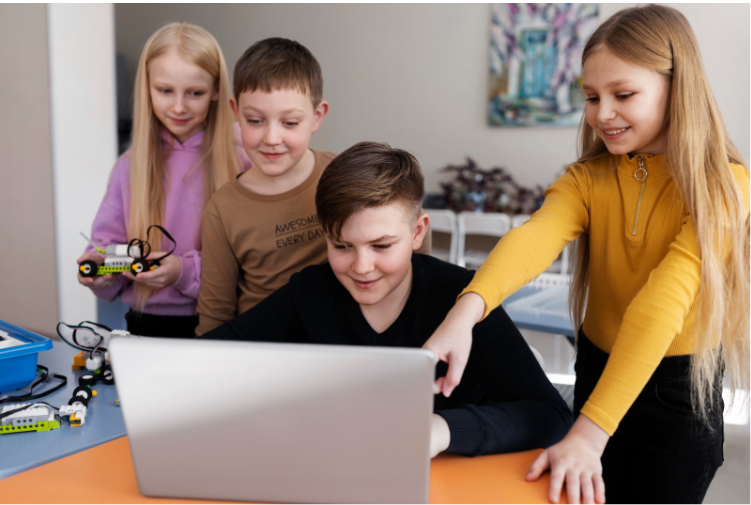
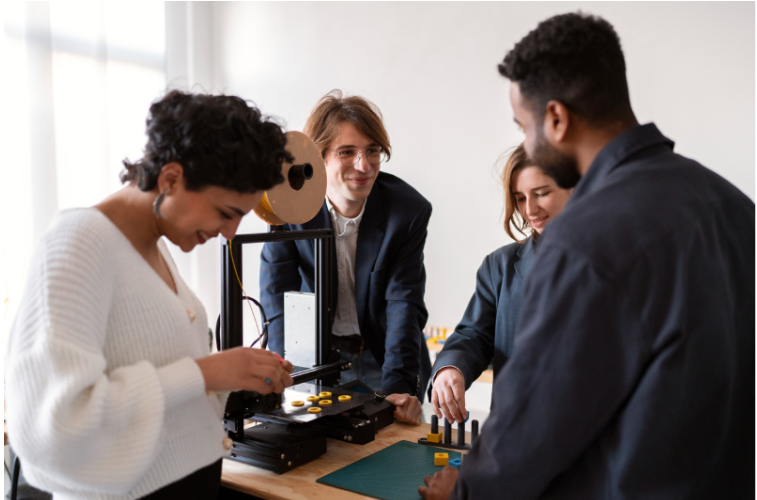
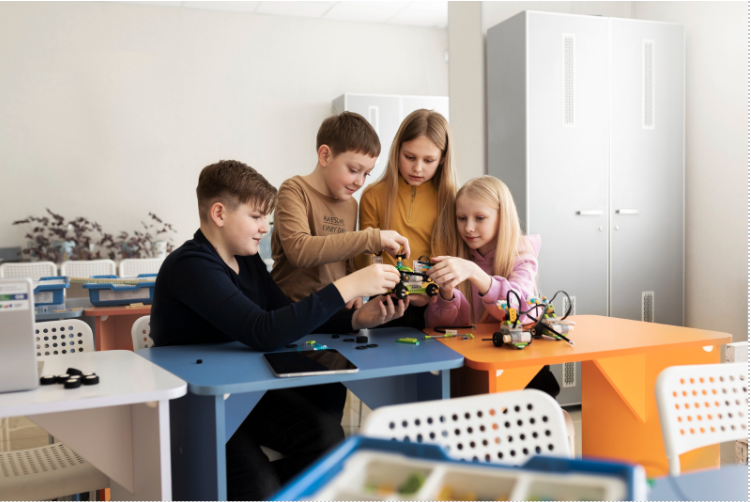
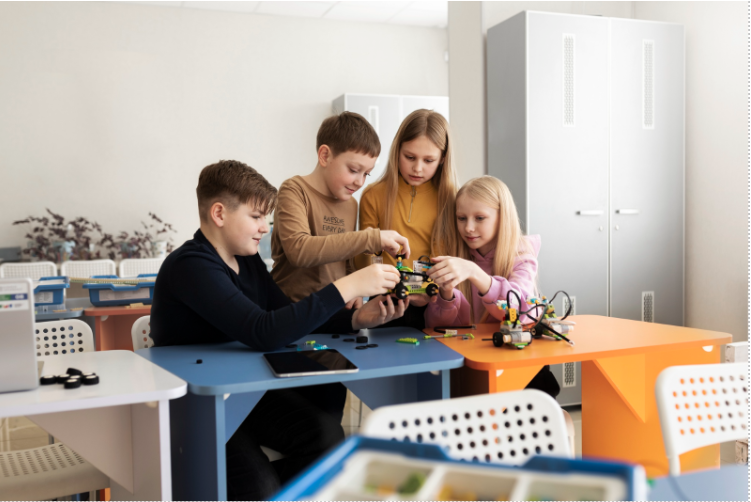
These innovative STEM programs are designed to engage students more deeply by allowing them to actively participate in building, experimenting, and problem-solving. Instead of passively learning theories, students now get the opportunity to design rockets, conduct simulations, and explore scientific concepts through interactive projects. This approach not only makes learning more exciting but also helps students develop critical thinking, creativity, and analytical skills.
Educators have observed a significant increase in student engagement and interest in science and technology subjects as a result of these hands-on methods. By connecting classroom learning with real-life applications, students are able to better understand how STEM concepts are used in industries such as aerospace, engineering, and technology. This practical exposure is also helping students make more informed decisions about their future careers.
One of the key advantages of hands-on STEM education is its focus on problem-solving and collaboration. Students often work in teams to complete projects, encouraging communication, teamwork, and leadership skills. These competencies are essential in today’s rapidly evolving job market, where employers are looking for individuals who can think critically and adapt to new challenges.
In addition, these programs are increasingly aligned with industry requirements, ensuring that students are not only academically prepared but also equipped with job-ready skills. Many schools are partnering with organisations and experts to bring real-world insights into the classroom, further enhancing the learning experience.
The growing popularity of hands-on STEM learning reflects a broader transformation in global education systems. Governments and educational bodies are recognising the need to move toward more dynamic and skill-based learning models that can keep pace with technological advancements. As a result, investments in STEM infrastructure, teacher training, and curriculum development are on the rise.
Overall, the shift toward hands-on STEM education marks a positive step in shaping future-ready learners. By fostering curiosity, innovation, and practical skills, these programs are empowering students to become active participants in the world of science and technology, rather than just observers.