
Hands-On STEM Labs: Transforming Students into Real-World Innovators
Across the globe, education is undergoing a powerful transformation as hands-on STEM labs become a standard part of modern learning environments. Traditional classroom methods, which once focused heavily on theory and memorisation, are now being replaced by project-based and experiential learning approaches. This shift is redefining how students understand science, technology, engineering, and mathematics, making learning more engaging, practical, and impactful.
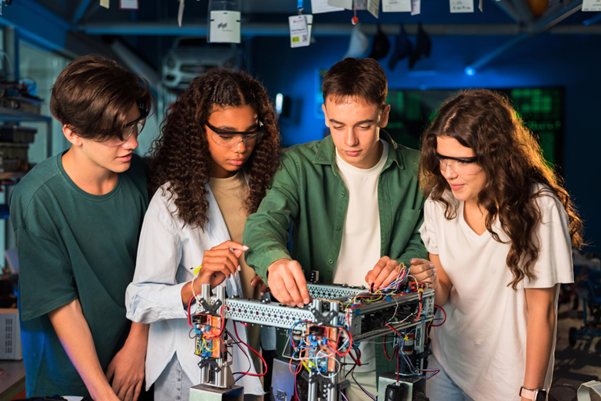
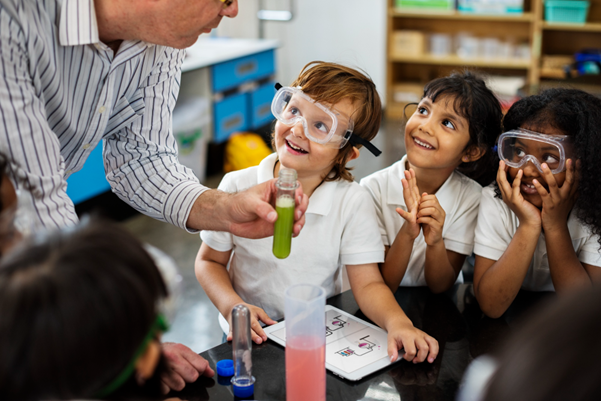
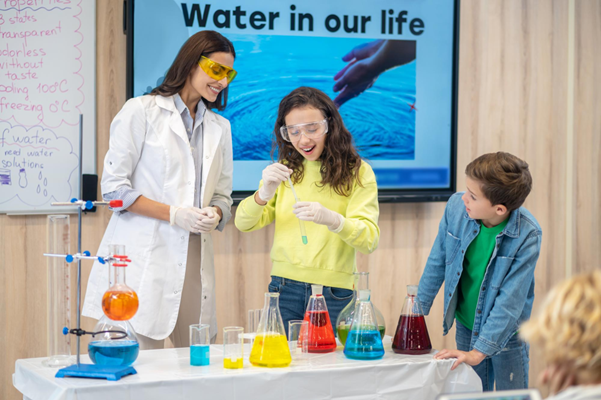
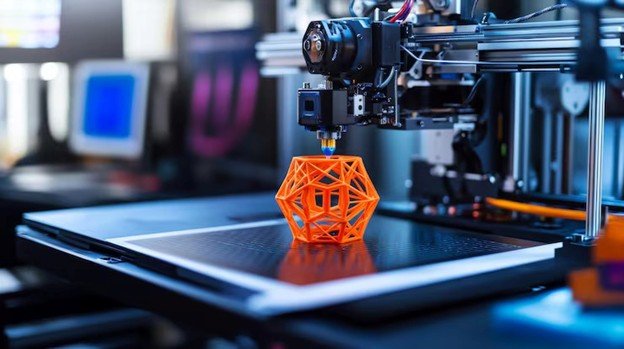
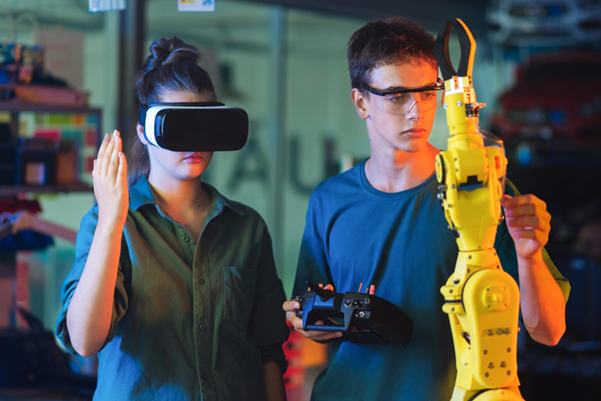
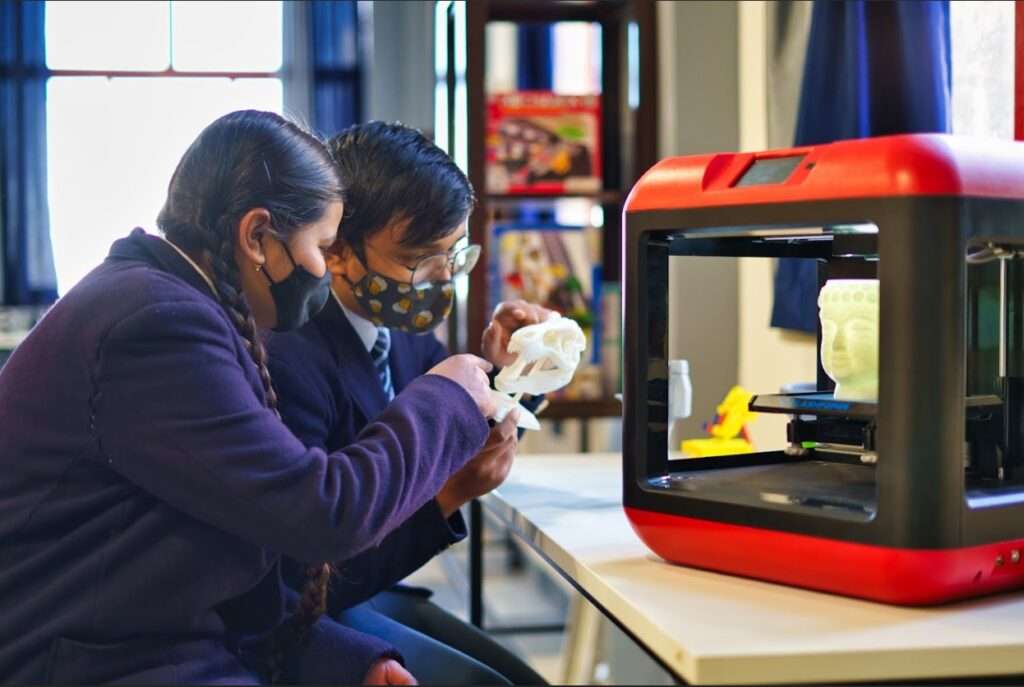
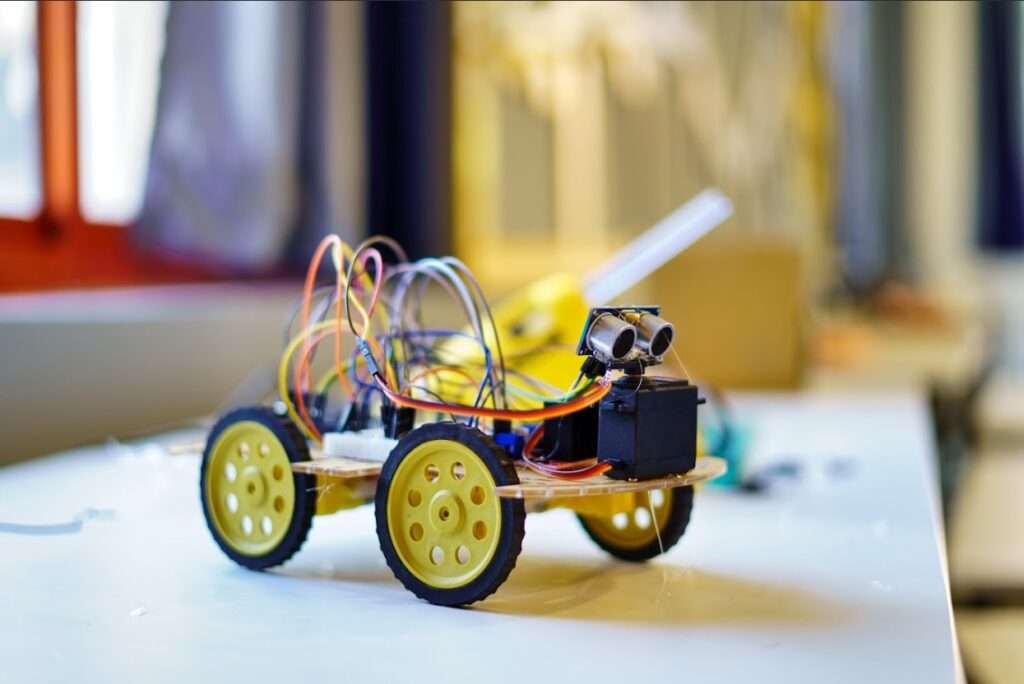
Hands-on STEM labs provide students with opportunities to actively participate in their learning journey. Instead of simply reading about concepts, students are encouraged to build models, conduct experiments, and create real prototypes. Whether it’s assembling a robot, designing a simple machine, or experimenting with circuits, these activities help learners connect theory with real-world applications. This practical exposure not only improves understanding but also enhances retention, as students learn by doing rather than just observing.
One of the key benefits of experiential learning is the development of essential future-ready skills. As students work on projects, they naturally develop critical thinking and problem-solving abilities. They learn how to analyze challenges, test solutions, and iterate based on results skills that are crucial in today’s rapidly evolving technological landscape. Additionally, hands-on labs foster creativity and innovation, allowing students to explore their ideas and turn them into tangible outcomes.
Collaboration is another important aspect of STEM lab learning. Many projects require teamwork, encouraging students to communicate effectively, share ideas, and work together toward a common goal. This not only builds social and interpersonal skills but also prepares students for real-world work environments where collaboration is key. Furthermore, these labs create a safe space for experimentation, where failure is seen as a learning opportunity rather than a setback.
The impact of hands-on STEM education extends beyond academics. It builds confidence and curiosity among students, motivating them to explore deeper and ask questions. As they complete projects and see their ideas come to life, students develop a sense of achievement and self-belief. This shift in mindset is crucial in shaping lifelong learners who are eager to innovate and adapt.
In conclusion, the rise of hands-on STEM labs marks a significant evolution in education. By moving from passive learning to active creation, students are no longer just learners; they become creators, innovators, and problem solvers. This approach not only prepares them for future careers but also empowers them to contribute meaningfully to a technology-driven world.