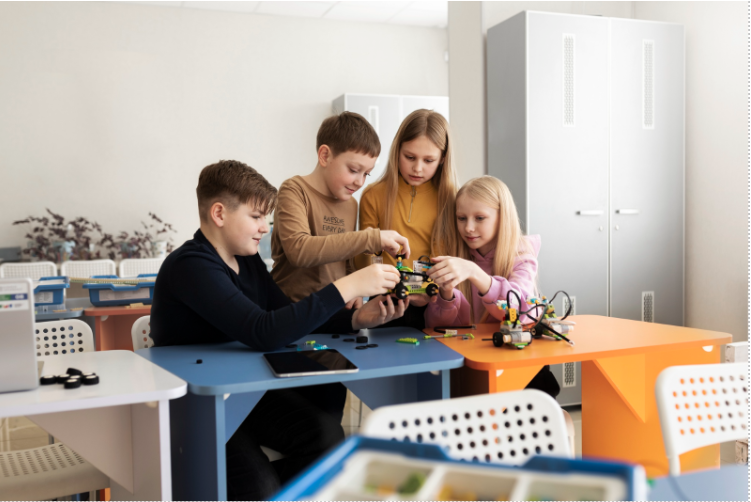

Hands-On Science Takes Center Stage as Schools Partner with Industry
In a significant shift from traditional classroom methods, schools across the globe are increasingly embracing hands-on science education through strategic partnerships with industry, research institutions, and outreach organizations. This growing trend reflects a broader transformation in STEM learning, where practical experience is becoming just as important as theoretical knowledge.
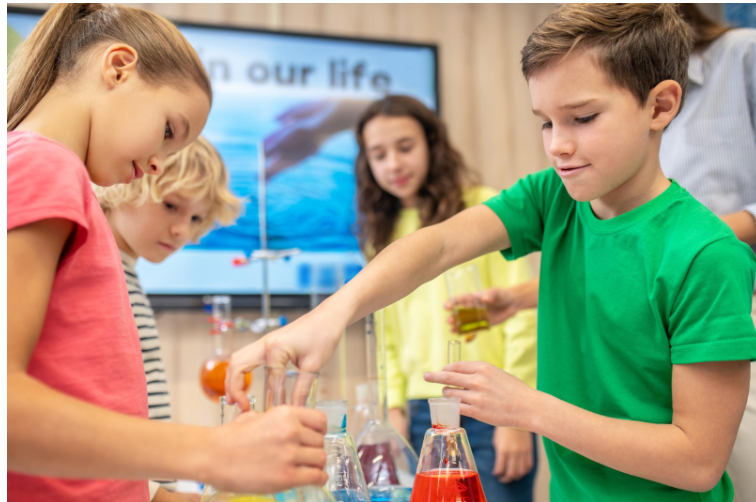
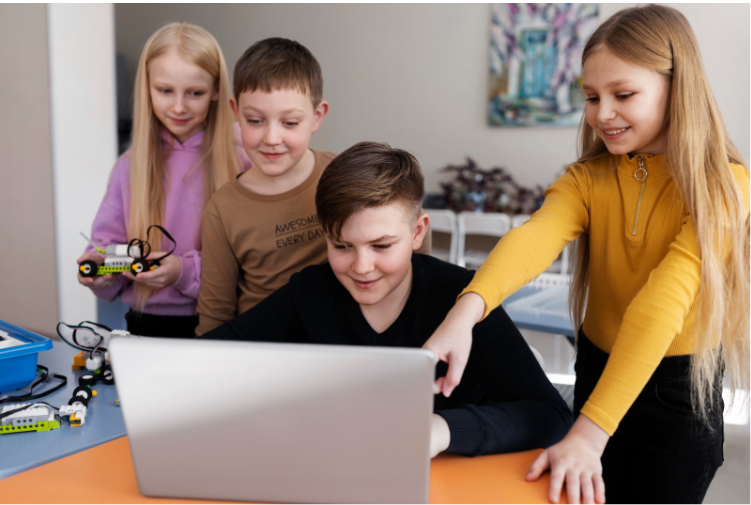
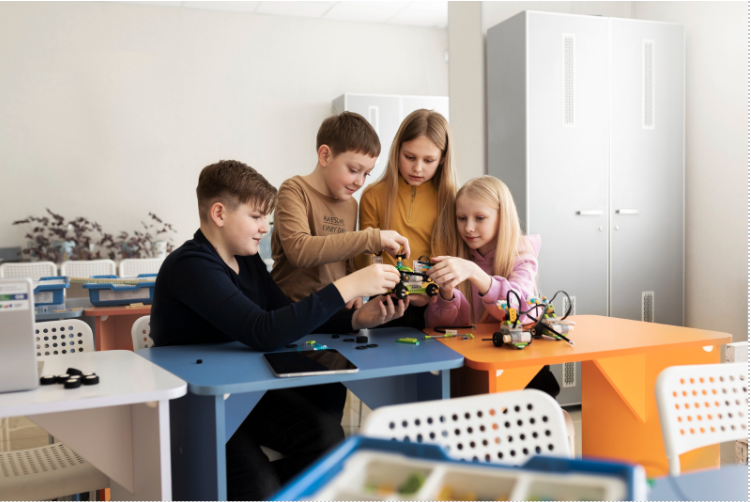
Educational institutions are now introducing biotechnology workshops, laboratory simulations, and field-based learning programs that allow students to engage directly with real-world scientific applications. These initiatives are often supported by collaborations with universities, private companies, and science centers, providing students with access to advanced tools, mentorship, and industry insights that were once limited to higher education or professional environments.
For example, biotechnology workshops are enabling students to explore areas such as genetic engineering, microbiology, and medical research in controlled, educational settings. Similarly, outreach programs are bringing scientists and engineers into classrooms, creating opportunities for students to interact with professionals and gain a deeper understanding of career pathways in STEM fields. These experiences not only enhance technical skills but also foster curiosity, critical thinking, and problem-solving abilities.
Educators and policymakers believe this shift is essential in preparing students for the rapidly evolving demands of the global workforce. With industries increasingly seeking candidates who can apply knowledge in practical scenarios, schools are under pressure to bridge the gap between academic learning and real-world application. As a result, project-based learning, internships, and collaborative research projects are becoming integral parts of modern curricula.
Another key advantage of this approach is increased student engagement. Studies and early reports suggest that students involved in hands-on STEM activities show higher levels of interest and retention compared to those relying solely on textbook-based learning. By making science interactive and relevant, schools are not only improving learning outcomes but also inspiring more students to pursue careers in science, technology, engineering, and mathematics.
However, challenges remain. Implementing such programs requires significant investment in infrastructure, teacher training, and partnership development. Schools in rural or underfunded areas may struggle to access these opportunities, highlighting the need for equitable distribution of resources and government support.
Despite these challenges, the momentum behind experiential STEM education continues to grow. As partnerships expand and technology becomes more accessible, the future of education is clearly moving toward a model where learning is immersive, collaborative, and closely aligned with real-world needs. This evolution marks a critical step in shaping a generation of learners who are not just knowledgeable, but also capable of applying their skills to solve real-world problems.