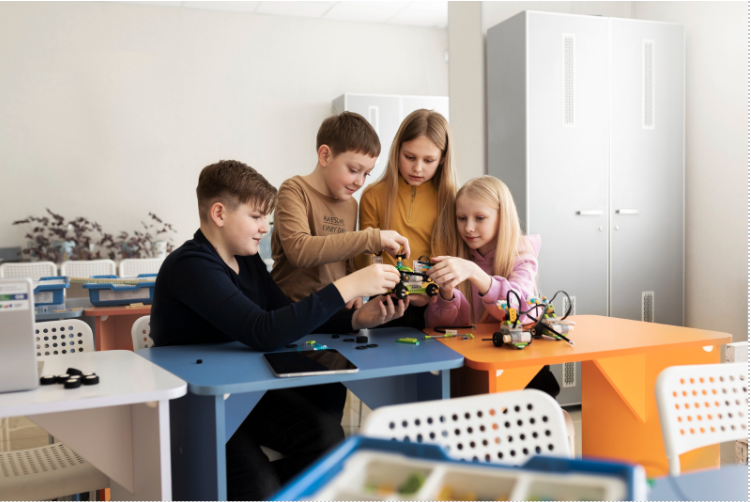
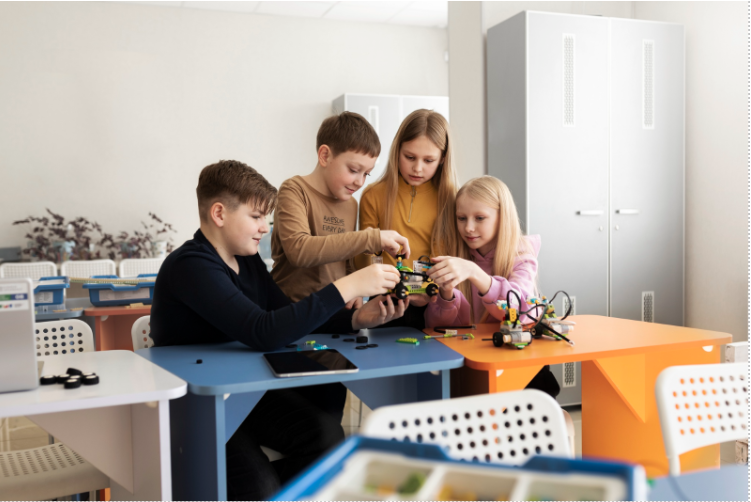
Science education means more once students move past textbooks and lectures and start observing, experimenting, building and testing on their own. Rajasthan is pushing further into hands-on science learning by asking government schools to set up school science clubs and run regular practical activities.
The initiative puts learning by doing at the centre. Students take part in experiments, model-making, STEM activities for students and live projects, applying scientific concepts to problems they can actually see around them. It also aims to give students in rural and remote areas more chances to work with practical science and real scientific equipment.
School science clubs bring practical learning into classrooms
The Rajasthan education department is asking government schools to set up school science clubs as regular venues for scientific activity, aiming to make science education practical and experimental rather than confined to theory. A science club gives students room to investigate questions, run experiments and work together on projects, instead of just learning a principle and memorising its definition.
That kind of setting encourages students to ask questions and build explanations from what they observe, which matters for STEM education broadly, since science, technology, engineering and mathematics usually require connecting concepts to real situations. The programme gives priority to schools such as Swami Vivekananda Model Schools and PM SHRI schools, and district education officials have been asked to encourage schools to register science clubs and run activities regularly.
STEM activities encourage learning by doing
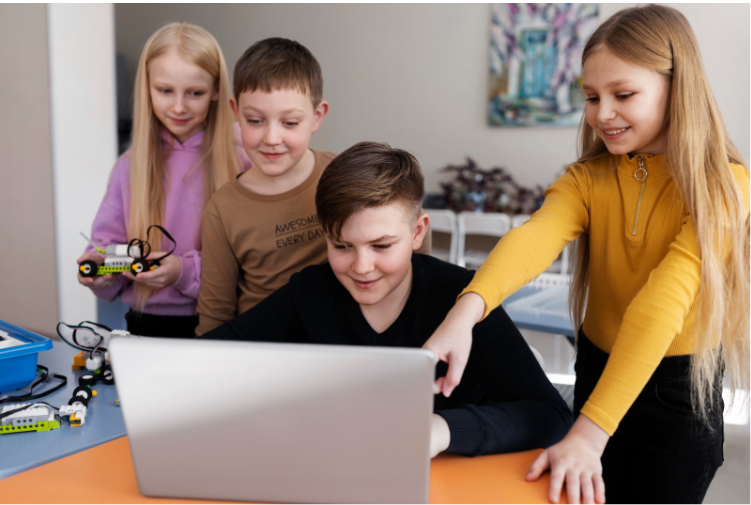
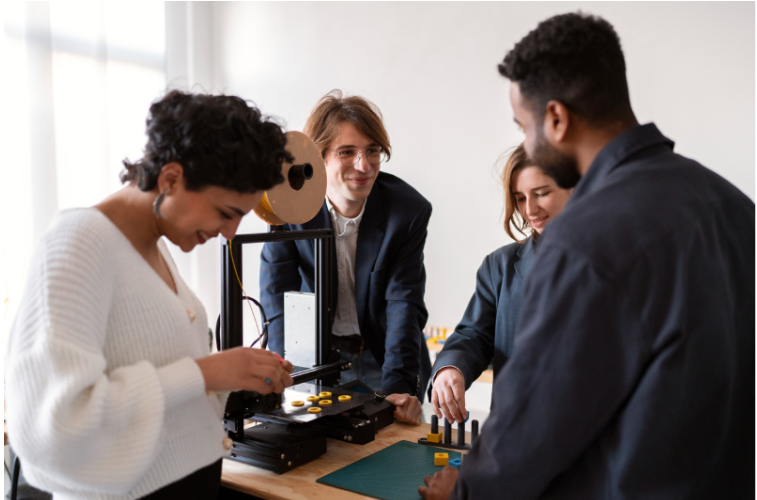
STEM activities for students and hands-on workshops sit at the centre of this initiative. Students engage with science and technology through experiments, model-making and projects, and this style of experiential science learning shows them that scientific knowledge isn’t confined to a textbook page. A student building a model, testing a mechanism or watching an experiment play out gets to connect theory with observation directly.
Teachers matter here too. According to reports on the initiative, experienced science teachers explain concepts through experiments and practical activities, building a classroom culture where students investigate instead of just receiving information. Rajasthan’s Department of Science and Technology already describes school science clubs as a way to build interest through astronomy, environmental awareness, health and hygiene, and the study of rocks, minerals, plants and insects.
Local problems can become science projects
Another piece of this is the link between school learning and problems in students’ own surroundings. Students are encouraged to spot issues in their local areas and think through possible scientific or technological responses. Reported examples include problems with streetlights, roads and commuting.
That makes science projects in schools feel more relevant, since the starting point is something students can see for themselves. A local problem can turn into a question, then research, experimentation, model development and testing, with students considering how to improve their idea afterward. This also brings genuine problem-solving into science education: students aren’t just reproducing an existing experiment, they’re working out what’s causing a problem, what information they need and how to test a possible fix.
Supporting scientific thinking in government schools
Access matters too. Practical science opportunities vary a lot between schools, particularly where students have limited access to laboratories, equipment or structured projects. The education department has said the initiative should help students in rural and remote areas gain exposure to modern scientific equipment and prepare for science competitions.
The state’s Department of Science and Technology also runs programmes on science communication and popularisation, and its science-club framework includes activities meant to build curiosity, enquiry and creative thinking among school students. Rajasthan’s science centres run their own activities tied to school science clubs, including model rocketry, science demonstrations and competitions, all of which add to a wider ecosystem around classroom learning.
Teachers remain central to experiential science education
Hands-on learning takes more than just handing out equipment. Teachers need to guide students through observation, questioning, experimentation and reflection, and Rajasthan’s initiative puts science teachers at the centre of practical activities for exactly this reason. Teachers help students understand why an experiment turned out a certain way, spot errors and think through how to improve a model or investigation.
That guidance matters most with open-ended problems, where students may get unexpected results. Treating those results as a lead for further investigation, rather than as a mistake, keeps regular science-club activity feeding into a classroom culture built around curiosity and questioning.
Connecting science education with research and competitions
School science clubs also open a path toward research-oriented learning. The Rajasthan education department has said the initiative aims to build scientific thinking and give students a shot at state and national science competitions. Competitions push students to present ideas, explain their methods and communicate findings, and preparing a project introduces them to real elements of the scientific process: observation, evidence gathering, experimentation and revision.
For students who develop a real interest in science, this can be an early taste of research-oriented thinking.
A broader role for school science clubs
A well-supported science club can be more than an occasional after-school activity. It can become a space where students work together, test ideas and connect different areas of knowledge, since a project on water conservation touches environmental science, measurement, mathematics and technology, and a transport-related model touches physics, design and engineering.
That interdisciplinary character is what makes school science clubs relevant to wider STEM learning, and it teaches students that real-world problems rarely stay inside one school subject. Rajasthan’s initiative puts hands-on science learning inside this broader effort to build scientific curiosity and problem-solving.
Conclusion
Rajasthan’s science-club initiative puts practical experience at the centre of school science learning. Through experiments, STEM activities for students, model-making, live projects and problem-solving, students get to apply concepts instead of only studying them.
The focus on regular activity, teacher guidance and access for students in rural and remote areas gives the initiative a wider purpose. If school science clubs become a real part of school life, they can give students consistent chances to question, investigate, create and learn through hands-on science learning rather than lectures alone.
FAQs
The initiative aims to make science education more practical and experimental. Science clubs give students chances to run experiments, take part in STEM activities, build models and work on projects, while building scientific thinking, curiosity and problem-solving.
They connect science concepts to practical activities in technology, engineering and mathematics. Students build models, run experiments and develop solutions to local problems, applying classroom knowledge in practical situations.
Reported activities include experiments, practical workshops, model-making, live projects and other science and technology work. Rajasthan’s existing framework also covers astronomy, environmental awareness, and the study of plants and insects.
It lets students see concepts in action, which encourages questioning, experimentation, collaboration and problem-solving while connecting theory to practical situations.
Teachers guide students through experiments and projects, explain concepts, support investigation and help interpret results, turning practical science education into structured learning rather than one-off demonstrations.