
Global STEM Education Market Set to Surpass $125 Billion by 2030, Fueled by EdTech & Hands-on Learning
A new global market analysis projects that the K-12 STEM education sector will exceed $125 billion by 2030, nearly doubling its size over the next several years as schools, policymakers, and technology providers invest in science, technology, engineering, and mathematics learning. This anticipated growth reflects an evolving educational landscape where traditional classroom models are being reshaped by digital tools, experiential learning, and international collaborations that better prepare students for technology-driven careers.
According to the STEM Education in K-12 Global Strategic Analysis Report 2026, the demand for STEM curricula is increasing worldwide as countries aim to develop future-ready talent capable of thriving in rapidly advancing fields such as artificial intelligence, robotics, data science, and sustainability engineering. A key driver of this growth is the adoption of educational technology (EdTech) platforms that make learning more interactive, adaptive, and personalised. These digital solutions include AI-powered learning systems, virtual labs, simulation software, and cloud-based educational resources that help students engage with complex concepts through immersive experiences.
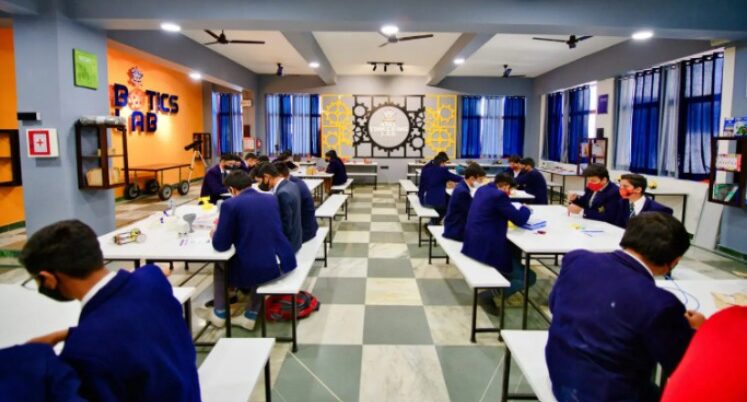
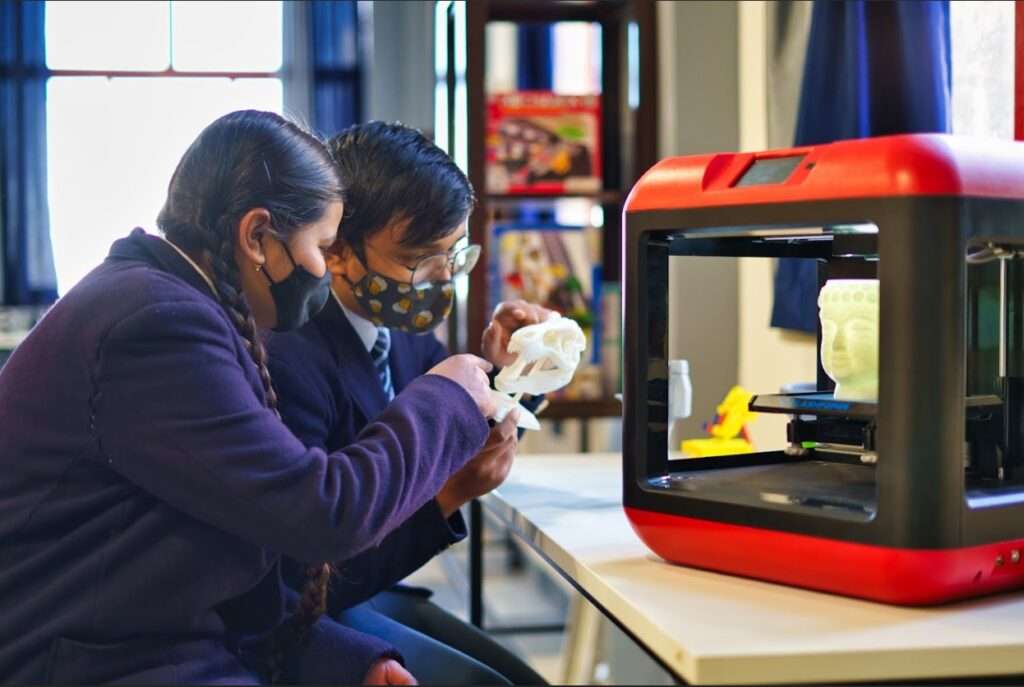
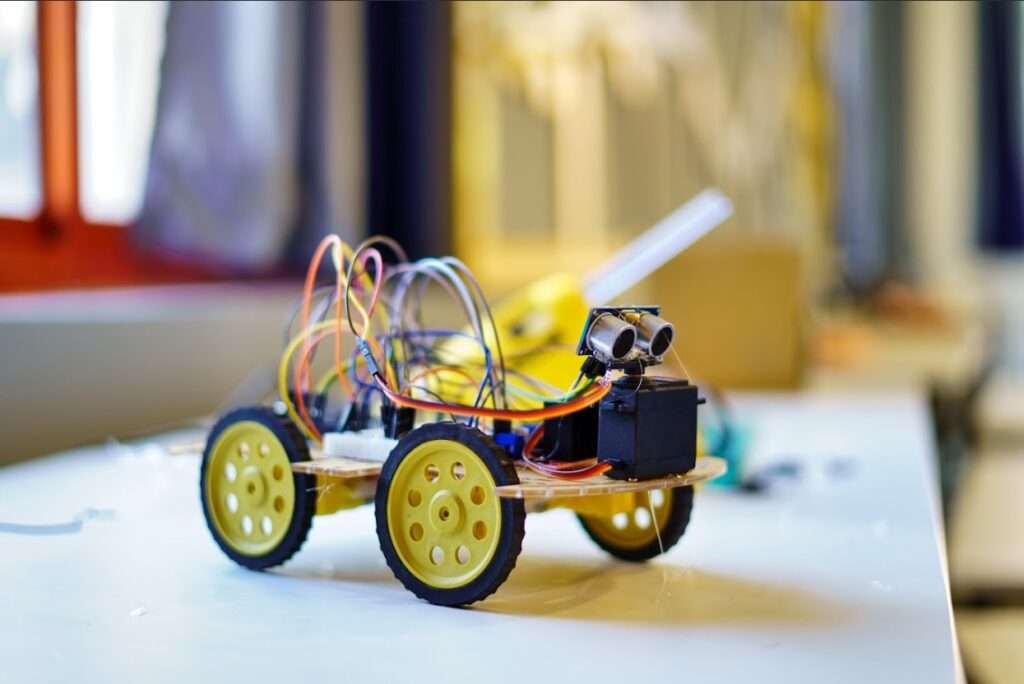
Another significant factor shaping the market is the shift toward hands-on, project-based learning, which encourages students to experiment, explore, and solve real-world problems. Schools and STEM programs are expanding access to maker spaces, robotics kits, lab equipment, and collaborative STEM hubs where learners can apply theoretical knowledge in practical settings. Educators and administrators increasingly recognise that these active learning environments not only improve understanding but also foster creativity, teamwork, and critical thinking.
Global partnerships are also playing a vital role in expanding STEM education opportunities. Collaborations between governments, nonprofits, technology firms, and academic institutions are enabling resource sharing, teacher training, and curriculum development that crosses borders. Strategic adoption in regions like North America and the Asia-Pacific has been particularly strong, reflecting both high demand and substantial investment in STEM infrastructure.
The report underscores that while the U.S. and China remain major contributors to market growth, emerging economies are rapidly enhancing their STEM ecosystems through policy initiatives and private-sector engagement. As the global economy continues to shift toward innovation-led industries, investments in K-12 STEM education are expected to remain a priority, driving sustained market expansion through 2030 and beyond.