
From Coding to Space Science: STEM Education Expands Across the Globe
The global education sector is undergoing a major transformation as schools and universities increasingly focus on science, technology, engineering, and mathematics programs to prepare students for future industries. From coding and robotics to artificial intelligence and space science, institutions worldwide are investing heavily in modern learning systems designed to strengthen STEM education and innovation-based skills.

Countries across Asia, Europe, North America, and the Middle East are introducing new initiatives aimed at building future-ready talent. Governments and private educational institutions believe that advanced technical skills will play a critical role in economic growth, scientific development, and technological leadership over the next decade.
The expansion of STEM-focused programs reflects the growing demand for professionals in emerging sectors such as aerospace, cybersecurity, biotechnology, renewable energy, automation, and data science. Educational experts say schools must adapt quickly to ensure students are prepared for rapidly evolving career opportunities.
STEM Education Driving Innovation in Global Classrooms
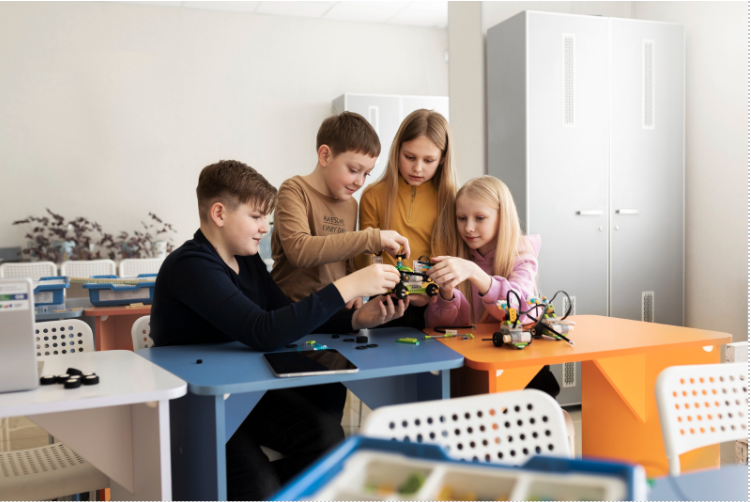
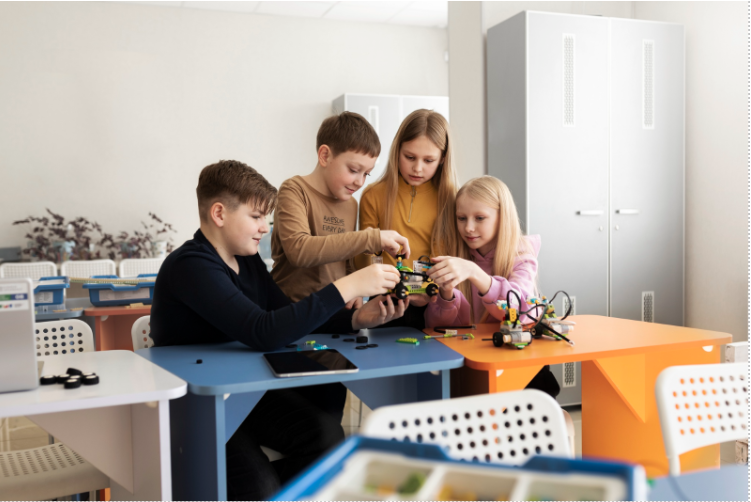
Modern classrooms are no longer limited to textbooks and traditional lectures. Schools are increasingly introducing project-based learning models that encourage experimentation, collaboration, and practical problem-solving.
Students are now participating in coding workshops, robotics competitions, drone-building programs, and scientific research projects from an early age. Many international schools have also established innovation labs equipped with 3D printers, virtual reality systems, and AI-powered learning tools.
Space science education has become one of the fastest-growing areas within STEM learning. Several countries are partnering with space agencies and research institutions to inspire students through astronomy, satellite technology, and aerospace engineering programs.
Educational institutions in the United States, Japan, Singapore, and the United Arab Emirates have launched specialized STEM academies focused on advanced scientific research and technology-based entrepreneurship. These programs aim to encourage creativity while helping students understand real-world applications of scientific concepts.
Experts believe this global shift toward hands-on learning is helping students develop analytical thinking, leadership abilities, and innovation skills that are essential in modern industries.
STEM Education in India Gains Momentum Through New Initiatives
The global rise of innovation-driven learning is also influencing the rapid growth of STEM education in india. Schools across the country are increasingly integrating coding, robotics, artificial intelligence, and space science into their academic programs.
Government-backed initiatives such as Atal Tinkering Labs, Digital India, and the National Education Policy (NEP) 2020 are encouraging institutions to adopt practical and technology-enabled teaching methods. Many schools are now offering dedicated STEM clubs and innovation programs to improve student engagement in science and engineering subjects.
Private educational organizations are also collaborating with technology companies and research institutions to provide students with exposure to future technologies. Several schools have introduced space science workshops, satellite-building projects, and astronomy-based activities to inspire scientific curiosity among young learners.
Experts believe these efforts can significantly improve employability and entrepreneurship opportunities for young learners in the future. India’s growing technology industry is expected to create demand for professionals with advanced analytical and technical capabilities, making STEM-focused learning increasingly important.
Technology and Space Science Shape the Future of Learning
As industries become more technology-driven, educational institutions are focusing on interdisciplinary learning models that combine science, mathematics, engineering, and creativity. Experts say this approach helps students better understand how technology can solve global challenges.
Artificial intelligence and machine learning tools are also transforming classroom experiences by offering personalized learning support and interactive educational content. Virtual laboratories and simulation-based learning platforms are making advanced scientific education more accessible to students worldwide.
Space science programs are particularly gaining popularity because they encourage curiosity, innovation, and research-based thinking. Students are learning about satellite communication, planetary exploration, rocket technology, and climate observation systems through specialized STEM modules.
Education analysts believe future classrooms will increasingly rely on immersive technologies, collaborative projects, and global research partnerships. Schools are expected to continue investing in digital infrastructure and innovation-based education systems to keep pace with changing workforce demands.
Future of STEM Education in India and Worldwide
The continued expansion of STEM education in india and other international education systems highlights the growing importance of technology-focused learning in the modern world. Experts predict that future academic programs will place even greater emphasis on artificial intelligence, automation, sustainability, and scientific innovation.
Governments and educational institutions are likely to increase funding for research laboratories, innovation centers, and digital learning initiatives over the next few years. These investments are expected to create stronger opportunities for students interested in science and technology careers.
As coding, robotics, and space science become central components of school education, students worldwide are gaining access to skills that can help them succeed in a highly competitive and technology-driven future. The global rise of STEM learning represents a significant step toward preparing the next generation for the industries and challenges of tomorrow.