Global Mathematics Education Enters a New Era of Innovation, Inclusion, and Skills Development
The global landscape of mathematics education is rapidly evolving in 2026, with countries and institutions embracing new strategies to make learning more relevant, inclusive, and future-focused. From curriculum reforms to technological integration, the emphasis is now on equipping students with practical skills that extend far beyond the classroom.
A major development in international education is the growing focus on competency-based learning. Instead of rote memorisation, schools are encouraging students to understand concepts deeply and apply them in real-world situations. This shift is aligned with global education frameworks promoted by organisations like UNESCO, which advocates for education systems that prepare learners for complex global challenges.
Another significant trend is addressing “math anxiety,” a long-standing issue that affects student performance worldwide. Educators are increasingly adopting interactive teaching methods, gamified learning, and collaborative problem-solving approaches to make mathematics more engaging and less intimidating. Research shows that such approaches not only improve student confidence but also lead to better learning outcomes.
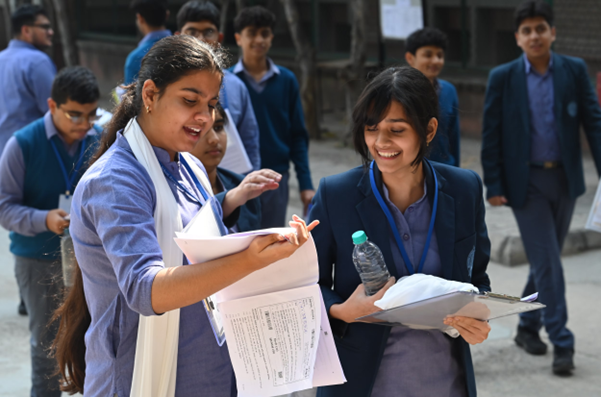
Equity in mathematics education is also gaining attention. Many countries are launching initiatives to bridge gaps in access to quality math education, especially in underserved communities. Programs aimed at increasing participation among girls and underrepresented groups are being expanded, ensuring that opportunities in STEM fields are accessible to all learners.
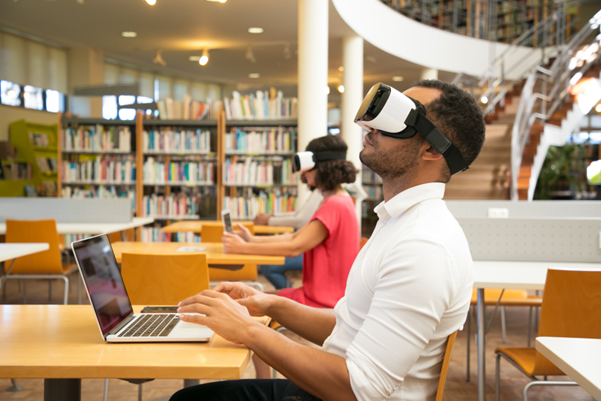
Teacher training has become a key priority in this transformation. Governments and educational institutions are investing in professional development programs to help teachers adapt to modern teaching techniques and digital tools. This includes training in data-driven instruction, use of AI-based platforms, and methods to personalize learning for diverse classrooms.
In higher education, universities are redesigning mathematics courses to align with emerging fields such as data science, artificial intelligence, and financial technology. This ensures that students are not only proficient in theoretical mathematics but are also prepared for evolving career opportunities in a technology-driven economy.
Global collaboration continues to play a vital role. Events like the International Congress of Mathematicians 2026 bring together experts, researchers, and educators to share ideas and innovations that shape the future of mathematics education. Similarly, student competitions and exchange programs are fostering international exposure and intellectual growth.
Overall, the latest developments indicate a clear shift toward making mathematics education more dynamic, inclusive, and application-oriented. As the world becomes increasingly data-driven, strong mathematical skills are no longer optional; they are essential. The ongoing reforms and global initiatives in 2026 are setting the stage for a generation of learners who are not only mathematically proficient but also capable of solving real-world problems with confidence and creativity.
Learn more about STEM Education with Makersmuse