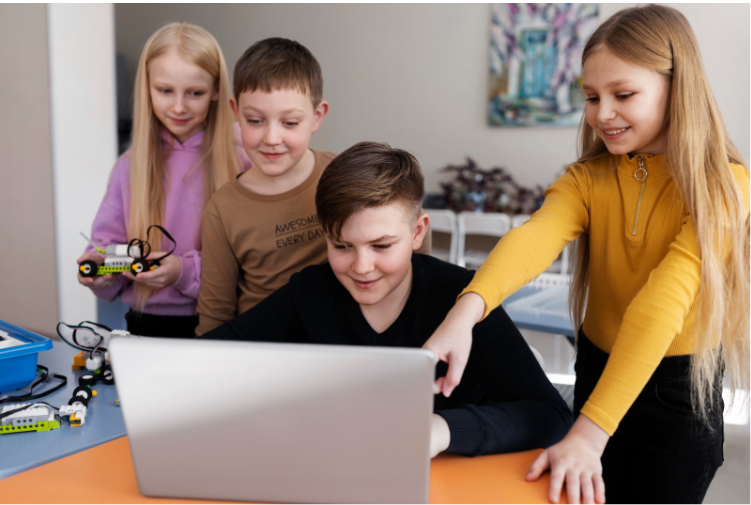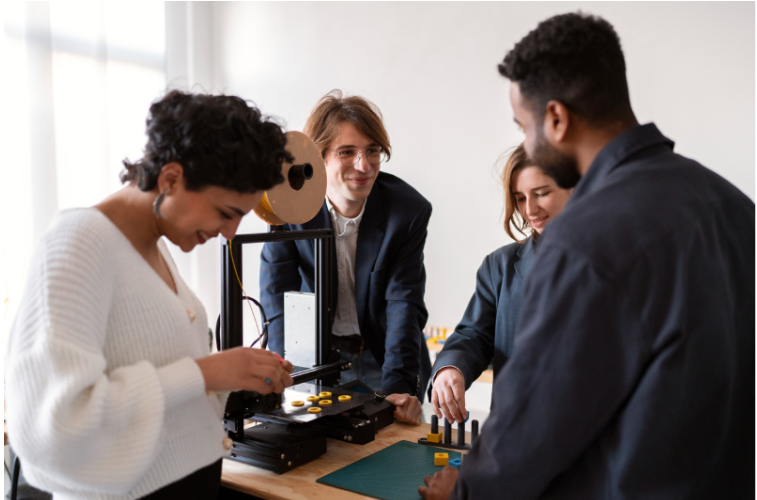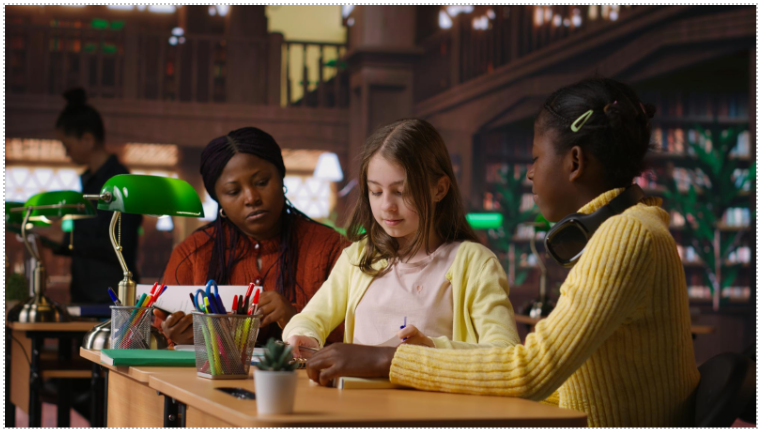


Access to STEM education depends on curriculum and infrastructure, but also on the environment around students. Gender expectations, classroom habits and how scientific careers are perceived all affect how young people engage with science and technology.
UNESCO has described its work supporting Uganda in advancing gender-transformative STEM education, part of a wider push to make education systems more inclusive and remove barriers to girls’ participation in STEM.
The focus here is on the educational environment itself. Gender-transformative education isn’t just about getting more students into a subject; it looks at how teaching practices, expectations and institutional structures shape learning opportunities.
Creating more inclusive STEM classrooms
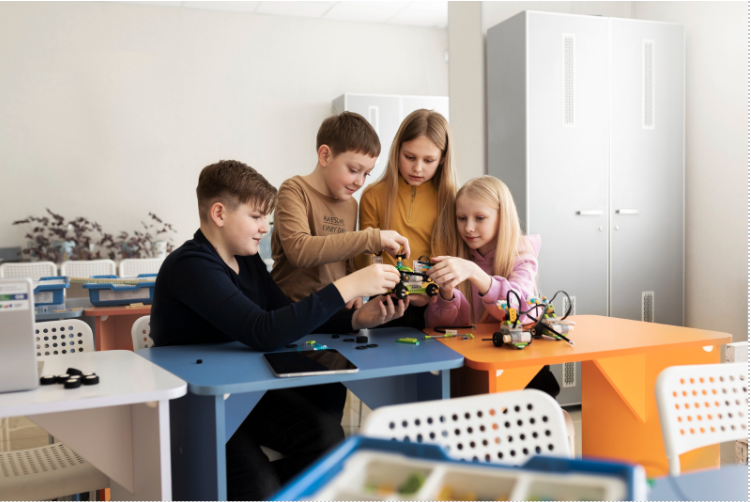
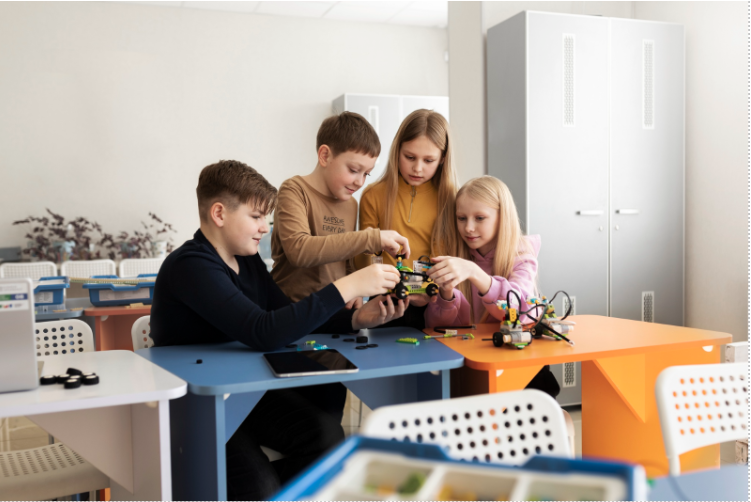
Inclusive STEM classrooms aim to give students real opportunities to participate, ask questions and build confidence in science. That takes more than putting everyone in the same room; it also means paying attention to how activities are designed and how participation is encouraged.
For girls especially, classroom experience shapes how they see their own ability in science and technology. Supportive teaching helps create a space where students feel able to experiment, make mistakes and share ideas.
Gender-transformative STEM education focuses on those surrounding conditions. Teachers, curriculum designers and education leaders all play a part in creating classrooms where students engage with STEM without being boxed in by assumptions about gender.
Addressing gender expectations in science
Students pick up gender expectations from family, media, social circles and school itself, and those expectations shape ideas about which subjects or careers count as suitable for girls or boys.
Education can push back on those assumptions by presenting science and technology as open to everyone. That doesn’t mean treating every student identically; it means recognising the barriers that affect participation and giving students room to develop their own interests.
UNESCO’s work in Uganda fits this broader approach to gender equity, connecting what happens in the classroom to wider questions about equality and opportunity.
Supporting girls in science education
Girls benefit from learning environments built around experimentation, collaboration and independent thinking. Science gets more accessible once students can connect concepts to practical problems and see the knowledge actually being applied.
Teachers matter here, by encouraging participation across all kinds of classroom activities. Group projects, lab work, problem-solving exercises and research tasks each give students a different way to show what they can do.
The goal isn’t only getting more girls to pick STEM subjects. It’s making sure the ones already interested in science have an environment that keeps supporting their learning.
Building confidence through practical learning
Practical learning makes STEM subjects more interactive. Designing experiments, investigating problems or building solutions gives students a chance to actually apply what they’ve learned in theory.
These experiences build confidence too. A student unsure about a scientific problem often gets more comfortable with it after testing an idea and seeing what happens.
Practical activities are especially useful for inclusive classrooms because they open up several ways to participate: through observation, design, measurement, documentation, discussion or problem-solving, which broadens how students can show they understand the science.
Role of teachers in gender equity
Teachers are central to building inclusive classrooms. Their expectations, feedback and classroom habits shape how students see their own abilities.
That’s why teacher development matters to gender-transformative education. It gives educators a way to examine classroom participation, spot barriers and look at how learning materials portray scientists, engineers and other STEM professionals.
A wider range of examples helps students see that scientific achievement isn’t tied to a particular gender or background, and showing diverse scientists and professionals makes STEM careers more visible.
UNESCO’s work in Uganda sits within a broader international push to strengthen gender equality in education and STEM participation.
Making STEM career pathways more visible
Students form ideas about careers long before they make any formal educational choices, and what they encounter at school and in their communities shapes their understanding of scientific professions.
Career exposure complements classroom STEM teaching. Real-world examples introduce students to research, engineering, computing, environmental science, healthcare, technology and other fields.
For girls, that visibility matters most where social expectations have narrowed how technical careers are seen. Showing different pathways helps students understand just how wide the range of opportunities in science and technology actually is.
Connecting STEM learning with real-world problems
STEM education lands better when students investigate problems tied to their own communities. Environmental challenges, public health, agriculture, infrastructure and digital technology all give scientific knowledge somewhere to apply.
Problem-based learning gets students thinking about how science contributes to practical solutions, and it often means pulling together different areas of knowledge.
For gender-transformative STEM education, this gives girls active roles in designing, testing and presenting solutions, which challenges assumptions about who gets to do technical problem-solving.
Strengthening gender equity in education
Gender equity in education takes more than equal access to classrooms; it also means looking at the quality of participation and the conditions students learn under.
A student can have access to a science class and still face barriers that undercut confidence or participation. Gender-transformative approaches try to address those wider factors: classroom practices, institutional structures and social expectations.
That makes gender equity a broader educational issue, not a separate activity aimed only at boosting STEM enrolment numbers.
Creating supportive learning environments
Students engage more deeply with difficult subjects when they can ask questions without fear of being judged. Supportive classrooms encourage them to treat mistakes as part of learning rather than a failure.
That matters especially in STEM, where experiments often produce unexpected results, and students need room to test ideas, revise their approach and learn from what didn’t work.
An inclusive classroom supports both learning and confidence at once, and teachers build it through collaborative activities, open questioning and constructive feedback.
Why gender-transformative STEM education matters
Science and technology develop further when participation is broad. Education systems need to give students of different backgrounds and experiences the chance to build scientific and technical abilities.
Gender-transformative STEM education tackles one part of that challenge by examining how gender shapes educational experience, aiming to create conditions where girls can participate fully in science and choose STEM pathways based on interest and ability rather than expectation.
UNESCO’s support for Uganda shows this being addressed at the education-system level, as part of wider international efforts toward gender equality and inclusive STEM learning.
FAQs
It examines how gender expectations and educational practices affect students’ participation in science, technology, engineering and maths, and aims to build learning environments that support equitable participation.
It expands their opportunities to build scientific and technical skills, and inclusive learning environments help students choose based on their own interests rather than social expectations.
Through collaborative projects, practical activities, open questioning and diverse examples of STEM professionals, with teachers monitoring participation and giving supportive feedback to different learners.
Teachers shape classroom culture through their expectations, feedback and teaching practices, and an inclusive approach encourages participation, challenges stereotypes and builds students’ confidence in STEM.
By introducing a broad range of scientific and technical careers, exposure to different professionals, practical projects and real-world applications helps girls see the full range of STEM pathways available to them.