Future-Ready Learning: How STEM Labs Are Shaping Tomorrow’s Workforce
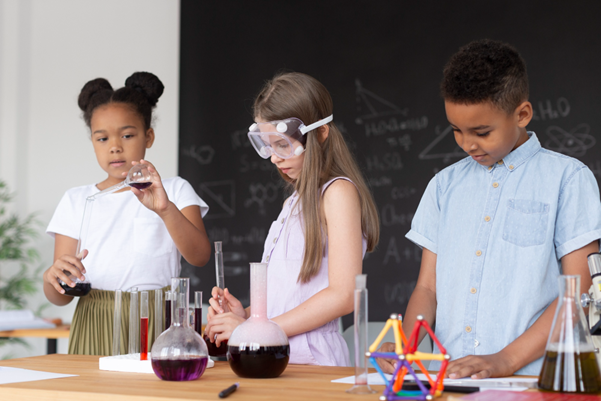
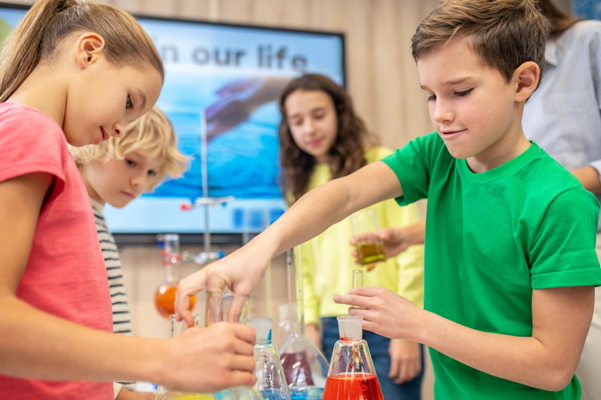
Across the globe, STEM labs are rapidly evolving to meet the demands of a changing world. No longer limited to basic experiments, modern STEM labs are becoming innovation hubs where students learn future-focused skills and tackle real-world challenges. Education systems worldwide are redesigning these spaces to prepare students not just for today’s careers, but for jobs that don’t even exist yet.
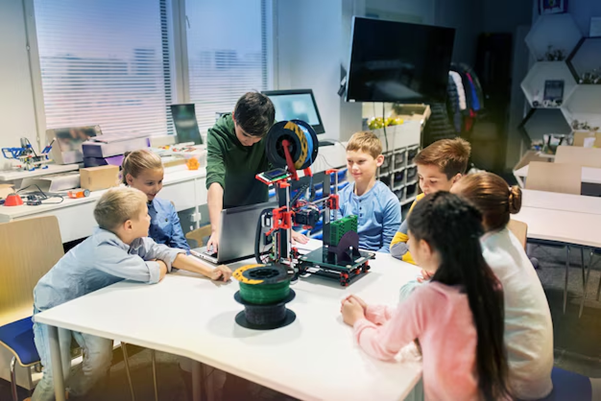
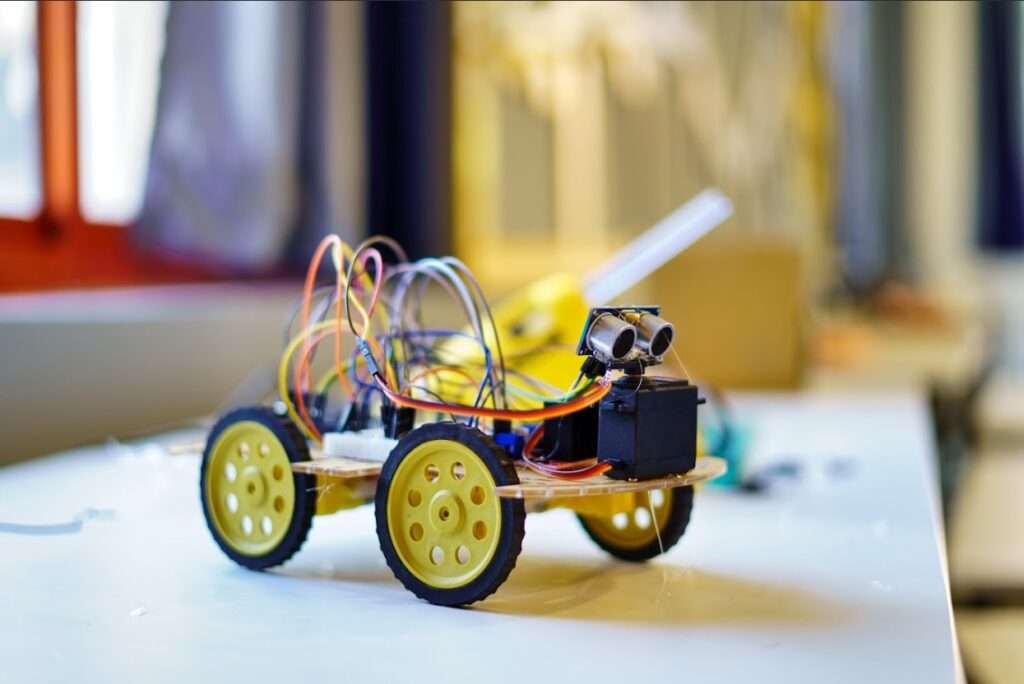
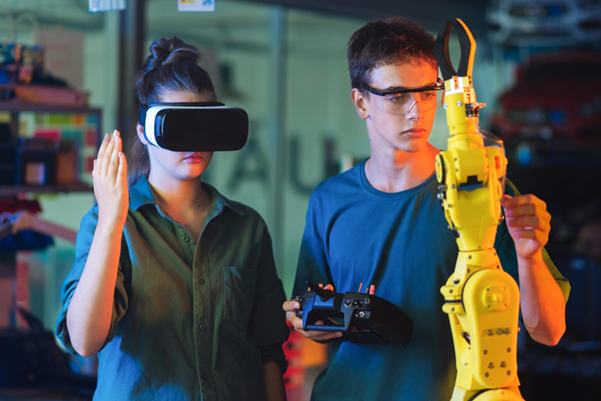
A key focus of this transformation is the integration of advanced subjects such as artificial intelligence (AI), robotics, sustainability, and climate science. Students are now being introduced to technologies that are actively shaping industries from automation and smart systems to renewable energy solutions. By working with real tools and concepts, learners gain practical exposure that goes far beyond textbooks, helping them understand how science and technology apply in everyday life.
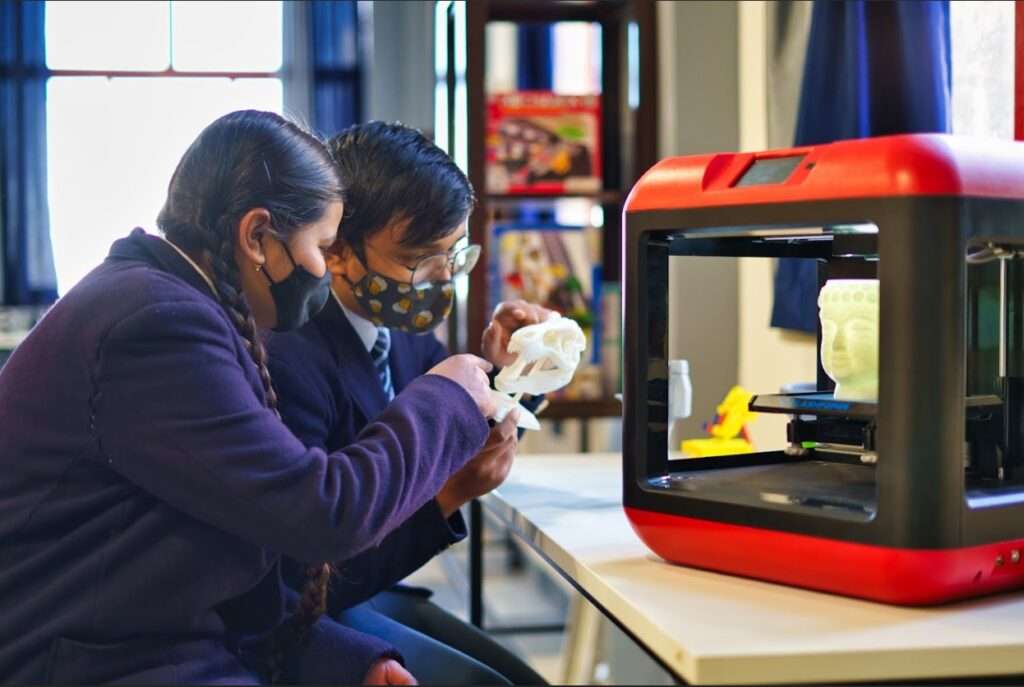
In addition to technical knowledge, STEM labs are placing a strong emphasis on design thinking and innovation. Students are encouraged to identify problems, brainstorm creative solutions, and build prototypes through hands-on activities. This approach nurtures critical thinking, collaboration, and adaptability skills that are essential in a fast-changing global economy. Instead of memorizing information, learners actively engage in the process of discovery, making education more meaningful and impactful.
Another important aspect of modern STEM labs is their alignment with future workforce needs. As industries continue to evolve with rapid technological advancements, there is a growing demand for individuals who can think creatively, solve complex problems, and adapt to new tools and environments. STEM labs are designed to cultivate exactly these abilities, ensuring that students are well-prepared to navigate uncertain career landscapes.
Moreover, the focus on sustainability and climate science reflects a broader global responsibility. Students are being taught to think about environmental challenges and develop innovative solutions for a sustainable future. This not only builds awareness but also empowers them to become responsible global citizens who can contribute positively to society.
Overall, the shift toward future skills and real-world problem solving marks a significant evolution in education. STEM labs are no longer just learning spaces they are launchpads for innovation, creativity, and career readiness. By equipping students with the right mindset and skills, education systems around the world are building a generation that is prepared to lead, innovate, and thrive in the future.