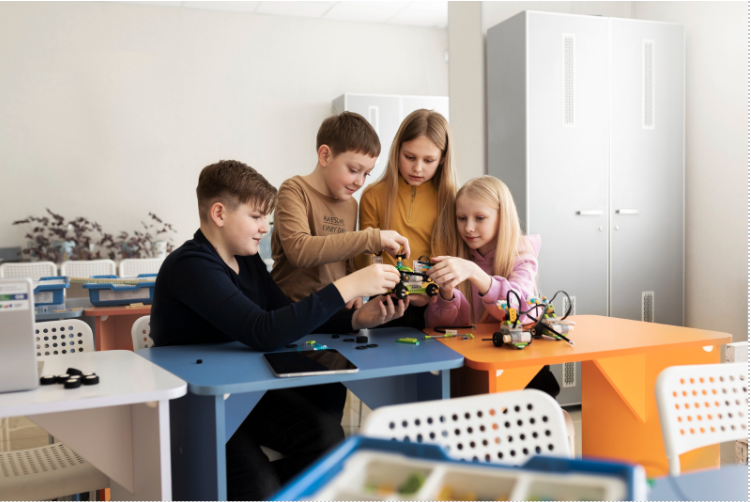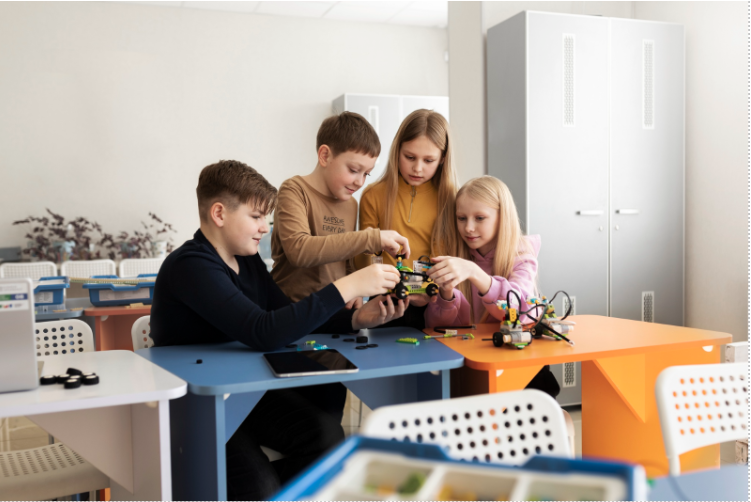


Experiential STEM learning is gaining greater attention in India as schools look for ways to connect classroom concepts with practical problem-solving. The recent WRO India National Championship in Hyderabad highlighted how robotics can provide students with opportunities to build, test and improve their ideas.
The championship brought together student teams that progressed through regional competitions before reaching the national stage. Their projects were assessed on areas including engineering, coding, creativity, teamwork and problem-solving.
Robotics Brings STEM Concepts Into Practice
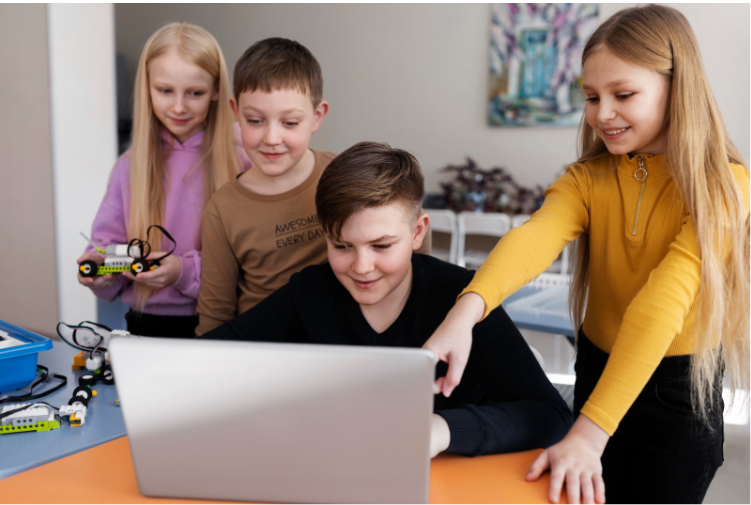
Robotics education in India offers students a practical way to apply concepts from science, mathematics, engineering and coding. Rather than learning these subjects separately, students can combine them while designing and programming robotic systems.
Experiential STEM learning becomes particularly meaningful when students are allowed to test different approaches. A robot may not work as planned during the first attempt, requiring students to identify the problem, modify their design and try again.
This process can strengthen persistence and analytical thinking. It also gives students a clearer understanding of how theoretical knowledge can contribute to solving practical challenges.
Competitions Encourage Problem-Solving
Robotics competitions create an environment where students can apply their skills under specific challenges. Participants need to think creatively while considering technical requirements, teamwork and the effectiveness of their solutions.
The WRO India championship demonstrated how such competitions can bring together different dimensions of STEM education. Students were evaluated not only on technical execution but also on creativity, imagination and their ability to approach complex problems.
Coding education also becomes more purposeful when students use programming to control physical systems. They can see how changes in code influence the behaviour of a robot, making abstract programming concepts easier to connect with real outcomes.
Developing Future-Ready STEM Skills
STEM skills development involves more than technical knowledge. Students also need communication, collaboration, creativity and the confidence to approach unfamiliar problems.
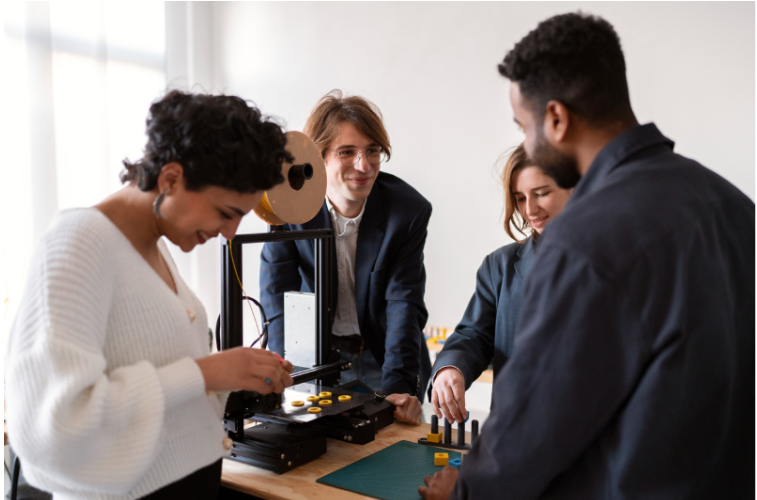
Hands-on STEM learning can provide opportunities to develop these abilities together. Team-based robotics projects require students to divide responsibilities, discuss ideas and respond to problems collectively.
These experiences can also introduce students to possible pathways in engineering, artificial intelligence, robotics, technology, research and entrepreneurship.
Robotics education in India can therefore contribute to career awareness while strengthening the practical application of STEM subjects.
Making Practical Learning More Accessible
The expansion of experiential STEM learning will depend on how widely schools can provide meaningful opportunities. Competitions can help create motivation, but regular access to equipment, trained educators and suitable project activities is also important.
Schools can use robotics, coding and other practical activities to complement classroom teaching. This approach can help students develop a stronger relationship with STEM subjects rather than viewing them only as examination-based disciplines.
Science museums, innovation centres and educational organisations can also contribute by creating spaces where young learners interact directly with emerging technologies. The WRO India partnership involving the India STEM Foundation and National Council of Science Museums reflects this broader approach.
Strengthening India’s STEM Ecosystem
Experiential STEM learning can play an important role in developing India’s future technology talent. Robotics projects give students opportunities to experiment, make mistakes and improve their solutions.
As robotics education in India continues to expand, schools can use these experiences to connect coding education with engineering, design and scientific thinking.
The long-term value of hands-on STEM learning lies in helping students become confident problem-solvers. Practical experiences can complement academic knowledge and prepare learners for an increasingly technology-driven world.
FAQs
Experiential STEM learning involves understanding science, technology, engineering and mathematics through practical activities. Students apply concepts by building, testing, investigating and solving problems rather than relying only on theoretical instruction.
Robotics education in India allows students to combine coding, engineering, mathematics and scientific concepts while working on physical projects. It can also strengthen creativity, collaboration and problem-solving.
Coding education helps students understand how instructions control technological systems. Robotics provides a practical context where students can immediately observe how their programming affects the behaviour of a machine.
Hands-on STEM learning can support technical understanding as well as creativity, communication, teamwork, persistence and critical thinking. Students also gain experience in testing ideas and improving solutions.
Schools can strengthen STEM skills development through robotics projects, coding activities, experiments, innovation challenges and collaborative problem-solving. Regular practical activities can complement classroom-based STEM learning.