

Experiential STEM education is gaining greater attention in Indian schools as policymakers look
for ways to make learning more practical and connected with everyday life. Haryana is introducing
a bagless learning programme in government schools that will give students opportunities to learn
through activities outside the conventional classroom.
The programme is designed to expose students to vocational skills, traditional occupations and
emerging technology-driven areas. It reflects a broader shift towards hands-on learning in schools
and education that connects academic concepts with real-world experiences.
Learning Moves Beyond Textbooks
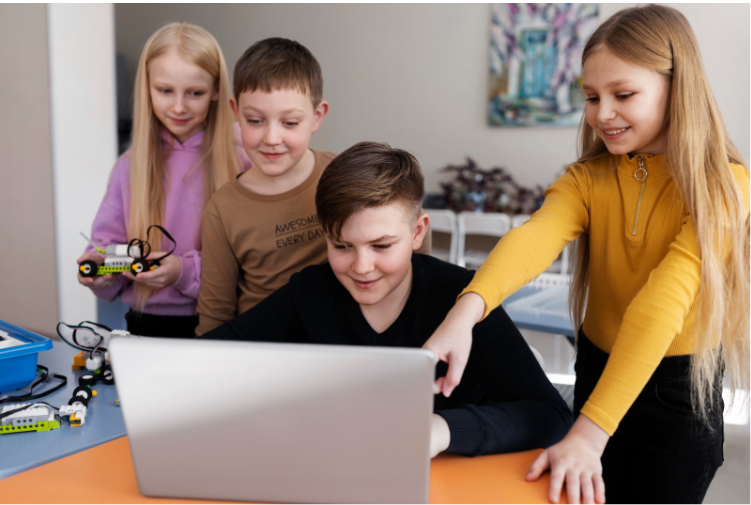
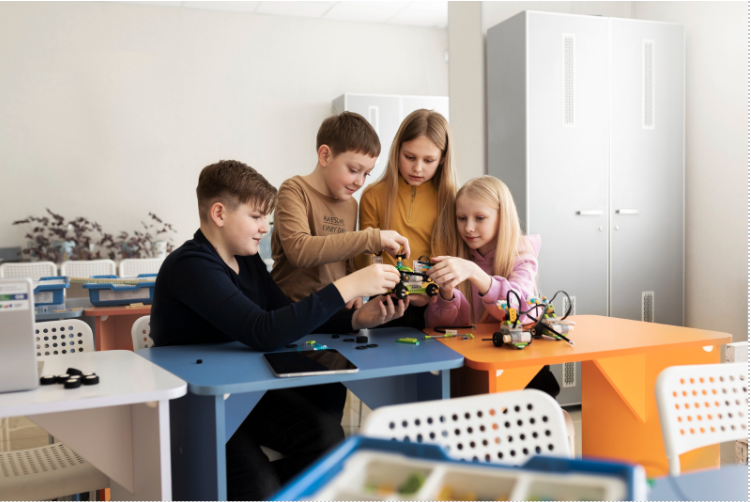
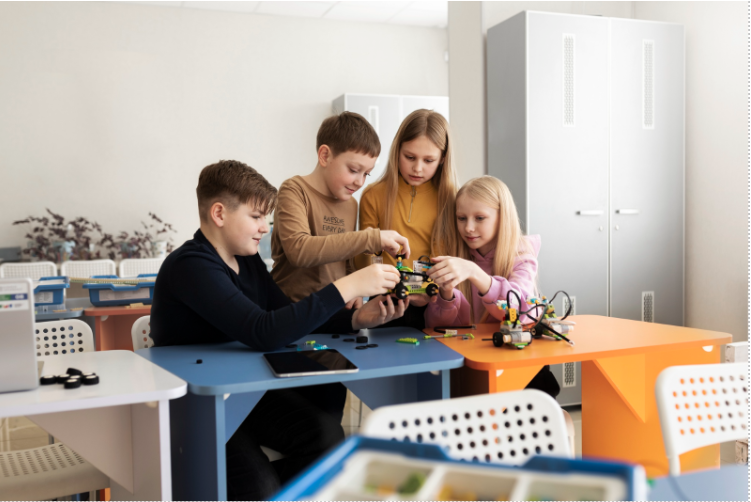
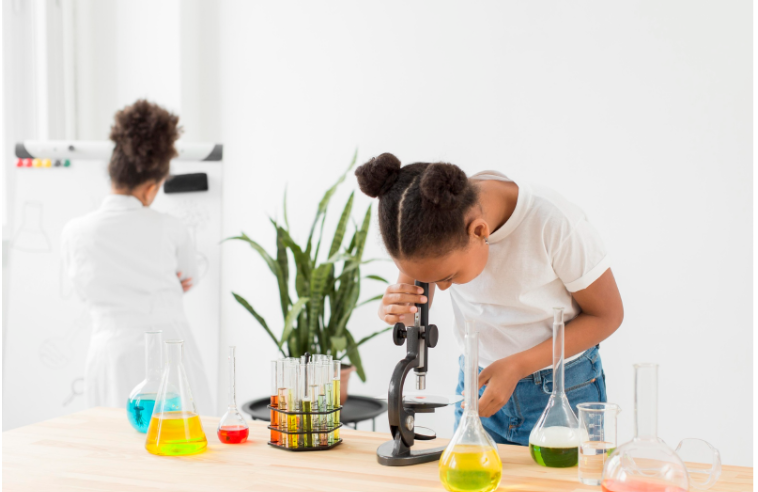
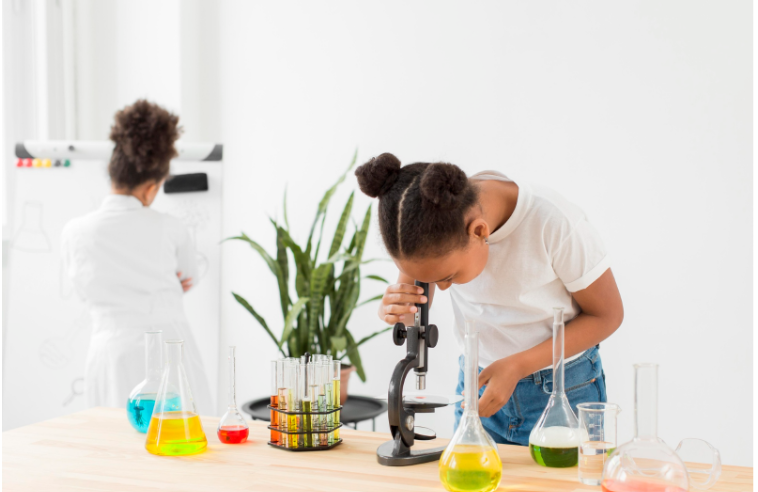
Experiential STEM education focuses on learning through observation, experimentation and
practical engagement. Instead of treating students as passive recipients of information, it
encourages them to investigate how knowledge works in real situations.
The Haryana programme will include activities involving farms, markets, industries and historical
sites. Such experiences can help students understand the relationship between classroom
subjects and the wider world.
Hands-on learning in schools can also help students recognise how different skills are used
across occupations. This can make education more relevant while encouraging curiosity about
future pathways.
Technology Becomes Part of Practical Education
The programme includes exposure to emerging technology-driven fields alongside traditional
skills. This combination is important because students entering the future workforce will need both
technical knowledge and practical understanding.
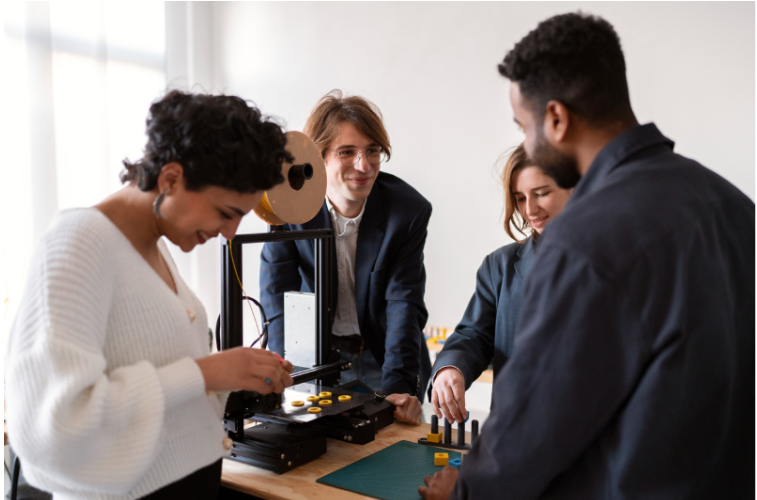
Technology-based learning can introduce students to areas connected with digital tools,
automation and modern industries. When these experiences are combined with observation and
project work, students can begin to understand how technology is applied outside textbooks.
Experiential STEM education can therefore support both academic learning and STEM skills.
Students can develop an understanding of how science, mathematics and technology contribute
to real-world activities.
Connecting Education With Careers
Career awareness is another potential benefit of practical education. Students may have limited
knowledge of the range of careers available across different industries.
Visits and activities connected with workplaces can provide a clearer picture of how different
occupations function. They can also help students identify interests that could guide later subject
choices.
Vocational education India can play an important role in this process. When vocational exposure
is introduced alongside academic learning, students can gain a broader understanding of possible
educational and professional pathways.
Making Learning More Engaging
Hands-on learning in schools can also change how students interact with lessons. Practical
activities encourage students to observe, ask questions, make decisions and reflect on outcomes.
These experiences can support skills such as teamwork, communication, creativity and
problem-solving. Such abilities are relevant across STEM subjects and future careers.
Experiential STEM education does not mean replacing academic knowledge. Instead, it can
strengthen academic understanding by giving students opportunities to apply what they learn.
Supporting Future-Ready Education
The Haryana initiative reflects a wider movement towards practical and skill-based education. By
bringing students into contact with workplaces, technology and community environments, schools
can create learning experiences that extend beyond conventional classroom routines.
Technology-based learning and vocational education India can become more effective when
students are given opportunities to observe and practise skills rather than simply reading about
them.
FAQs
Experiential STEM education involves learning science, technology, engineering and mathematics
through practical activities. Students apply concepts by investigating problems, completing
projects and observing real-world applications.
Hands-on learning in schools allows students to connect academic concepts with practical
experiences. It can strengthen curiosity, problem-solving, teamwork and understanding.
Vocational education India can introduce students to practical skills and different career pathways.
Combining vocational experiences with academic learning can help students make more informed
educational choices.
Technology-based learning can give students access to digital tools and modern applications.
Practical use of technology can help learners understand how scientific and technical concepts
operate in real-world settings.
Schools can strengthen STEM skills through experiments, projects, laboratory activities,
technology-based learning and exposure to real-world problems. Teacher support and meaningful
practical activities are also important.