
Empowering the Future: India’s Major Push for Girls in STEM Education
India is witnessing a transformative shift in education as focused efforts are being made to empower girls in STEM (Science, Technology, Engineering, and Mathematics). Across the country, governments, organisations, and private institutions are coming together to bridge the gender gap and create equal opportunities for young girls to thrive in technical fields.
One of the most impactful initiatives is currently underway in Jharkhand, where over 36,000 girls are being actively trained through dedicated STEM programs. These initiatives are designed to go beyond traditional classroom learning by introducing hands-on activities, practical experiments, and real-world problem-solving approaches. By engaging students at an early stage, these programs aim to build confidence, curiosity, and a strong foundation in scientific thinking.
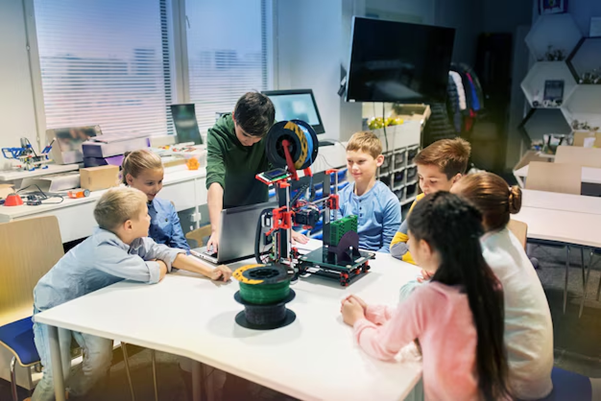
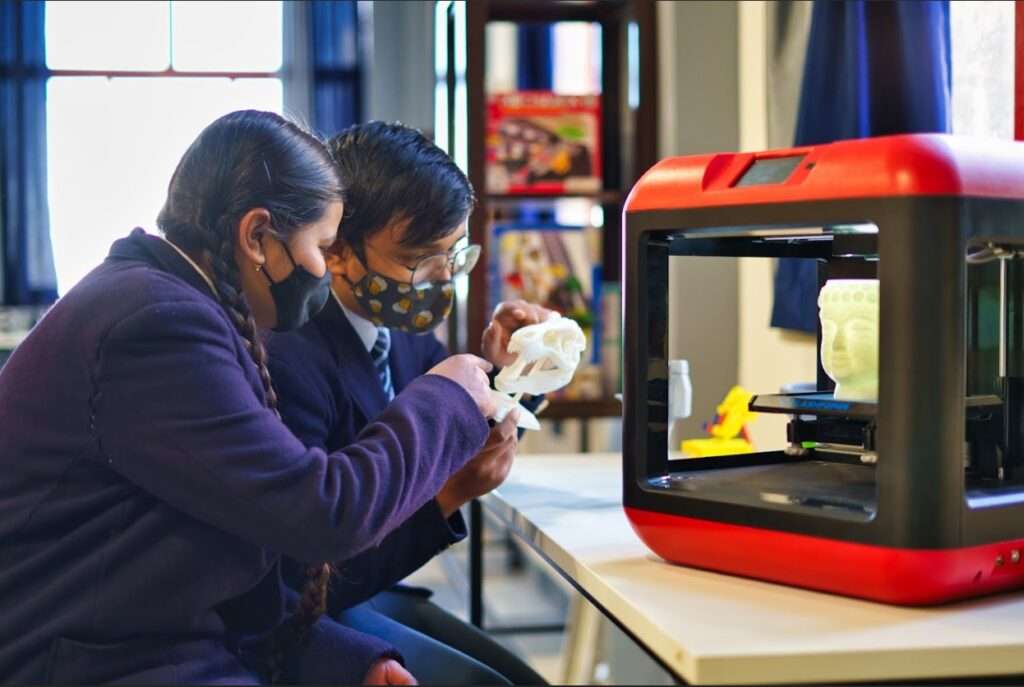
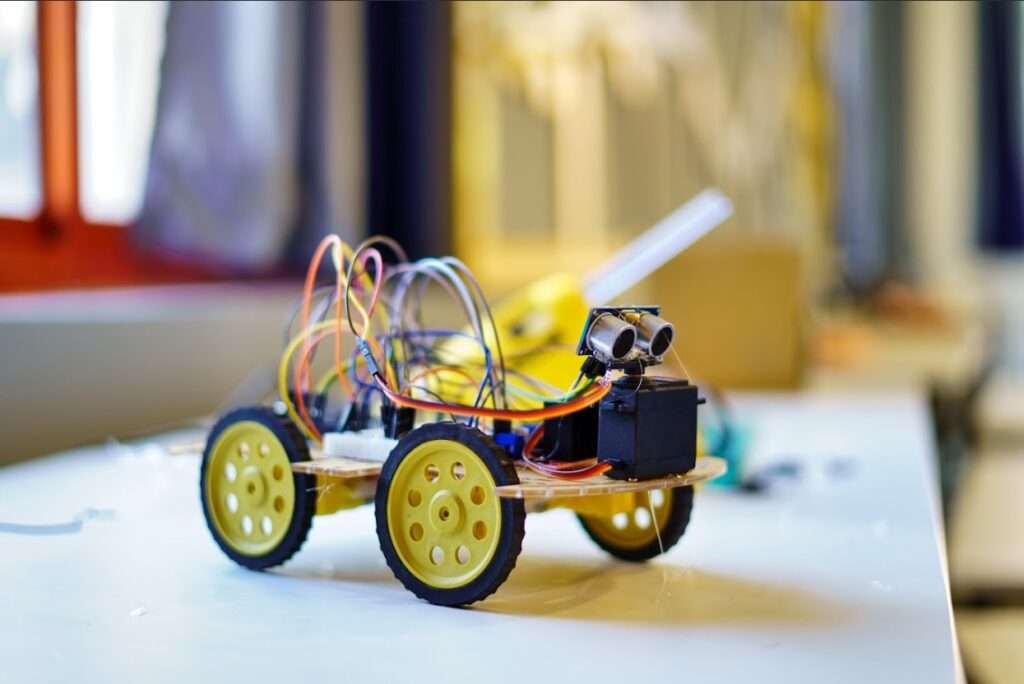
In addition to government-led efforts, several companies and non-governmental organisations (NGOs) are playing a crucial role in accelerating this movement. Through Corporate Social Responsibility (CSR) initiatives, they are setting up advanced STEM labs in schools, particularly in underserved and rural areas. These labs are equipped with modern tools such as robotics kits, coding platforms, and experimental learning resources, enabling students to explore innovation in an interactive and engaging way.
Mentorship programs are another key component of this ecosystem. Young girls are being guided by industry experts, educators, and role models who help them understand career pathways in STEM fields. These mentorship opportunities not only provide technical knowledge but also inspire girls to dream bigger and break societal stereotypes that have historically limited their participation in science and technology.
Scholarships and grants are also being introduced to support girls who show interest and potential in STEM disciplines. These financial aids ensure that economic barriers do not hinder their educational journey. By providing continuous support, these initiatives are creating a sustainable pipeline of female talent in STEM sectors.
The overall goal of these efforts is not just to increase participation but to foster innovation and leadership among girls. By encouraging them to think critically, experiment freely, and solve real-world challenges, India is nurturing a generation of future scientists, engineers, and innovators.
This major push for girls in STEM is more than an educational reform it is a social transformation. As more girls step into labs, build projects, and explore technology, they are reshaping the future of innovation in India. The impact of these initiatives will not only empower individuals but also contribute significantly to the nation’s progress in science and technology.