
CBSE’s Mandatory Vocational Education for Class 9 Raises Concerns Among Schools

Schools Highlight Infrastructure and Resource Challenges
Teacher Training Remains a Key Priority
A major challenge that schools face are the lack of vocational educators with appropriate qualifications to provide meaningful hands-on/ real-life experiences needed for students in vocational education. In addition, existing teachers may need additional professional development to adapt the hands-on/real-life learning techniques into the classroom to support the successful implementation of mandatory vocational education across the country.
Education professionals have stated that the preparedness of teachers is one of the most important factors in students receiving meaningful vocational education experiences. Continued education and training, current curriculum and resources, and work with the various industries will allow educational professionals to stay in line with the continuously changing workforce requirements.
Providing teachers with the capacity to teach will be an important step in meeting the long-term goals of vocational education reform.
Skill-Based Learning Supports Future Career Readiness
Vocational education is designed so that students develop the skills needed for working in many different trades while also learning at school. These trades often include computer technology, electronics, health sciences (doctor, nurse, etc.), retail, farming, hospitality, interior design, and many other types of jobs.
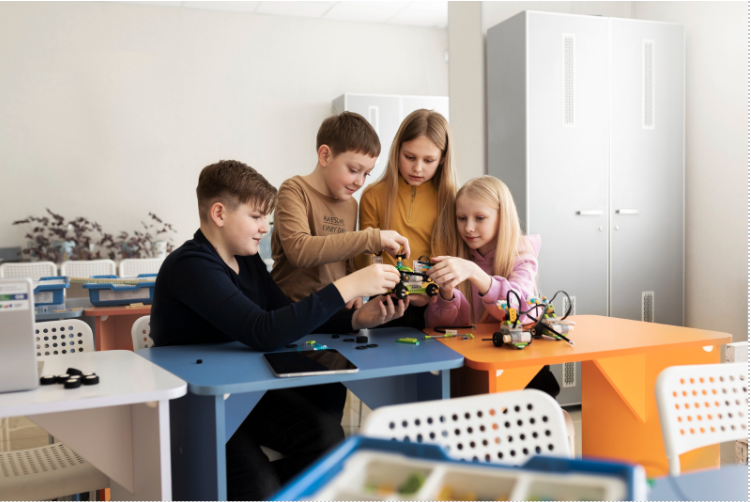
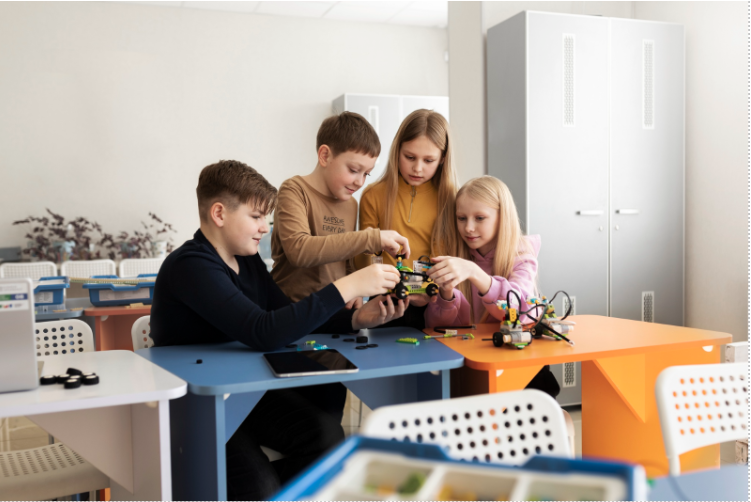
Through hands-on experience, students learn how to solve problems, communicate with others, work as part of a team, and gain technical knowledge that can help them succeed in many areas of their lives.
Some educational professionals believe that by exposing students early on to vocational learning, students will be better prepared to decide on their post-secondary education and the career they would like to pursue. Vocational education can also nurture entrepreneurship, innovation, and the continued desire for learning throughout one’s life.
As technology continues to develop and change how we do business, we can expect increased emphasis on skill-based education in our schools..
Balancing Academic and Practical Learning
To develop an excellent and balanced educational model that prioritizes academic success and vocational/technical skills, CBSE’s new policy will facilitate a more cohesive relationship between vocational and academic education, resulting in complete and well-integrated learners.
The success of this integration will depend, in part, on the careful development of school curricula that allow students to learn about vocational options without adding additional academic burdens on them.
Education experts have indicated that utilizing a combination of interdisciplinary approaches where students learn about practical work through their subject area of study, improves student motivation and subsequently improves the aprendizaje results experienced by the pupils.
By providing an opportunity for students to obtain both theoretical and practical application knowledge through their classes, schools will also assist students in developing the skill sets they need to succeed at the postsecondary level, in the workplace, and/or in everyday life.
Looking Ahead
CBSE’s decision to introduce mandatory vocational education for Class 9 marks an important step toward strengthening skill-based learning in Indian schools. The initiative aligns with broader educational reforms aimed at preparing students for an economy increasingly driven by innovation, technology, and practical expertise.
At the same time, the concerns raised by schools regarding infrastructure, teacher availability, and implementation highlight the need for continued support as institutions adapt to the new requirements. Addressing these challenges through funding, professional development, and resource planning will be essential for ensuring successful implementation.
As vocational education becomes a more prominent part of secondary schooling, its success will depend on collaboration between policymakers, schools, educators, and industry partners. With the right support systems in place, the initiative has the potential to create more future-ready learners equipped with both academic knowledge and practical skills for an evolving world.