

Afterschool STEM education is becoming an increasingly important part of learning in the United States. As artificial intelligence and other technologies continue to reshape workplaces, families are looking for opportunities that help young people understand science and technology beyond the traditional classroom.
STEM Learning Extends Beyond the Classroom
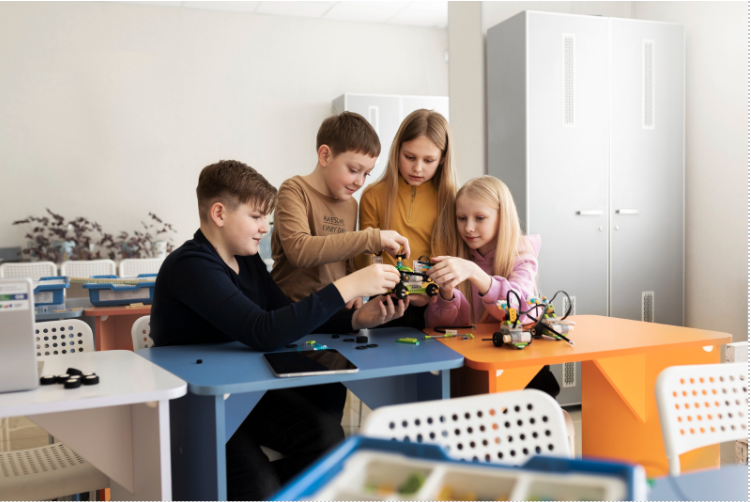
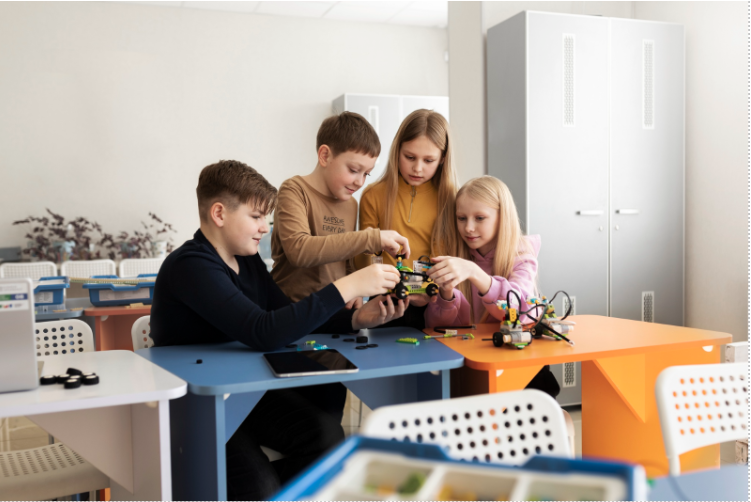
STEM learning after school gives students additional opportunities to engage with science, technology, engineering and mathematics through practical activities. These programmes can complement classroom teaching by allowing students to experiment, build, test ideas and work on real-world challenges.
Afterschool STEM education can also introduce young people to technical subjects in a less formal environment. Students may develop an interest in areas such as coding, engineering, science and technology while working collaboratively with their peers.
This approach can make STEM learning more connected to everyday experiences. It also gives students opportunities to develop confidence while exploring subjects that may initially appear difficult or unfamiliar.
Developing Skills for a Changing Workforce
The growing interest in afterschool STEM education is closely connected with changes in the workforce. Artificial intelligence, automation and other emerging technologies are changing how many industries operate.
STEM skills development therefore involves more than learning technical concepts. Students also need opportunities to practise problem-solving, communication, teamwork, creativity and critical thinking.
STEM learning after school can support these skills through projects and activities that require students to investigate problems and develop solutions. Such experiences can help young people understand how STEM knowledge can be applied beyond school.
The growing role of technology in everyday life also makes early exposure valuable. Students can become more familiar with digital tools while developing an understanding of how technology can be used to address practical challenges.
Access Remains a Challenge
Despite the expansion of afterschool STEM education, access is not equal across communities. Families in rural areas can face fewer opportunities because of limited programme availability, transportation challenges and a shortage of local resources.
Rural STEM education therefore remains an important area of attention. Schools and community organisations may need flexible approaches that can reach students who do not have access to established afterschool programmes.
Digital and mobile learning models could help extend STEM opportunities to underserved communities. Partnerships between schools, educators and community organisations can also support wider participation.
Improving STEM access for children is important because early opportunities can influence how students view science and technology. Consistent exposure can help young people recognise STEM as an area where they can learn, create and build future careers.
Afterschool Programmes Can Support STEM Equity
The demand for afterschool opportunities shows the importance of expanding access alongside programme quality. STEM programmes can provide structured environments where students receive guidance while developing practical skills.
For children who have limited STEM opportunities during regular school hours, afterschool programmes can provide additional time for experimentation and project-based learning. This makes STEM learning after school particularly valuable for communities with fewer educational resources.
Rural STEM education can also benefit from collaborations that bring specialised activities, educators and learning resources to local communities. Such efforts can make STEM education more accessible without relying entirely on existing infrastructure.
Building a More Inclusive STEM Future
Afterschool STEM education is increasingly being viewed as part of broader workforce preparation. However, expanding programmes alone will not address the access gap.
Greater attention to affordability, location, programme quality and student participation can help make STEM opportunities more inclusive. Schools and community organisations can also create pathways that connect classroom learning with practical applications.
As technology continues to influence education and employment, STEM access for children will remain an important part of preparing young people for the future.
FAQs
Afterschool STEM education refers to science, technology, engineering and mathematics activities provided outside regular school hours. These programmes often use practical projects, experiments, coding and problem-solving activities.
STEM learning after school gives students additional opportunities to explore technical subjects through hands-on activities. It can also support creativity, teamwork, communication and critical thinking.
Afterschool STEM education can introduce students to technical subjects while helping them develop transferable skills. These experiences can help young people understand how STEM knowledge is applied in different careers.
Rural STEM education can help address differences in access to science and technology opportunities. Students in rural communities may have fewer local programmes, resources or specialised learning opportunities.
STEM access for children can be improved through affordable programmes, school-community partnerships, mobile learning initiatives and digital resources. Expanding opportunities in underserved communities can help more students participate in meaningful STEM learning.