Universities Face Global Call for Bold STEM Reforms to Meet Future Challenges
In a rapidly evolving global landscape shaped by technological disruption and complex societal challenges, universities worldwide are being urged to undertake bold transformations in STEM (Science, Technology, Engineering, and Mathematics) education. Leading this call is UNESCO, which has emphasized the need for higher education institutions to move beyond incremental changes and adopt more comprehensive, forward-thinking reforms.

According to recent international discussions and reports, traditional approaches to STEM education are no longer sufficient to meet the demands of the 21st-century workforce. Rapid advancements in artificial intelligence, climate science, biotechnology, and digital technologies are reshaping industries at an unprecedented pace. As a result, universities are under increasing pressure to ensure that graduates are not only knowledgeable but also adaptable, innovative, and equipped with interdisciplinary skills.
One of the key recommendations is a shift toward more flexible and dynamic curricula. Universities are being encouraged to integrate emerging fields such as AI, data science, sustainability, and cybersecurity into core programs. Additionally, there is a growing emphasis on interdisciplinary learning combining STEM subjects with fields like humanities, business, and social sciences to help students develop a broader understanding of real-world problems.
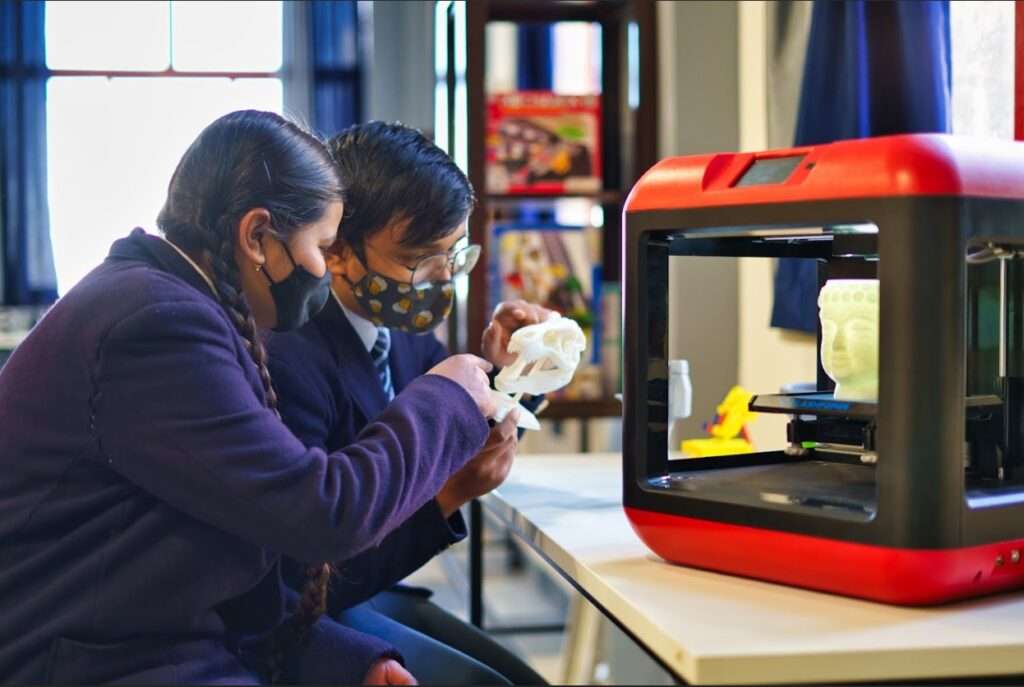
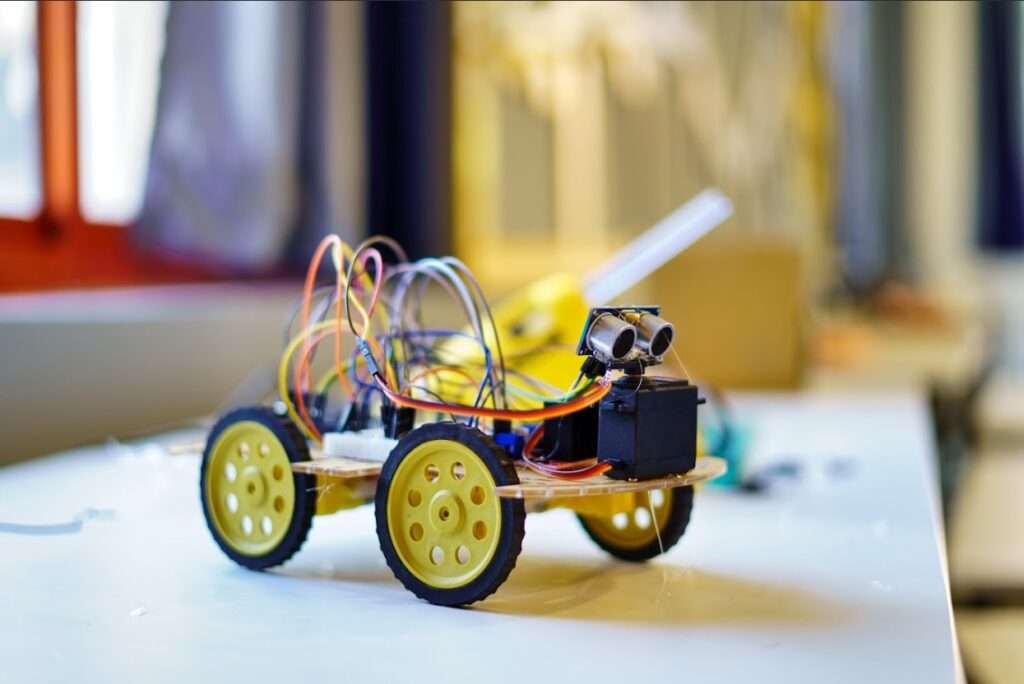
Another major area of focus is experiential learning. Experts argue that students should engage more deeply in hands-on projects, research collaborations, and industry partnerships. Internships, innovation labs, and startup incubation programs are increasingly being seen as essential components of modern STEM education. These experiences allow students to apply theoretical knowledge in practical settings, preparing them for real-world challenges.
Digital transformation is also playing a central role in this shift. Universities are adopting online learning platforms, virtual laboratories, and AI-driven teaching tools to enhance accessibility and personalization in education. This not only expands learning opportunities but also enables institutions to reach a more diverse and global student population.
However, implementing such large-scale reforms presents significant challenges. Universities must invest in faculty training, infrastructure, and curriculum redesign while ensuring that changes are inclusive and equitable. There is also a need for strong collaboration between governments, industries, and academic institutions to align education with workforce needs.
Despite these challenges, the urgency for transformation is clear. As global challenges such as climate change, digital inequality, and public health crises continue to grow, the role of STEM education in finding solutions has never been more critical. Universities are being called upon to act as hubs of innovation and drivers of societal progress
The message from global education leaders is unmistakable: incremental adjustments are no longer enough. To remain relevant and effective, universities must embrace bold, systemic changes that prepare students not just for today’s jobs, but for the challenges and opportunities of the future.