 Written by
Laiba Arif
·
Written by
Laiba Arif
·
7 Careers of 2035 Your Child Should Be Preparing for with STEM Education
The world children are growing up in today is not the same world they will enter as adults.
Technological advancement continues at an increasingly fast rate. Industries are also changing quickly, and with that, new jobs are created every day.
As things change quickly, success will be based more on blue-collar work than on memorising facts. The ability to think critically, solve a range of problems, and adapt to newly arising situational challenges will matter most. As a result, STEM education is the solution.
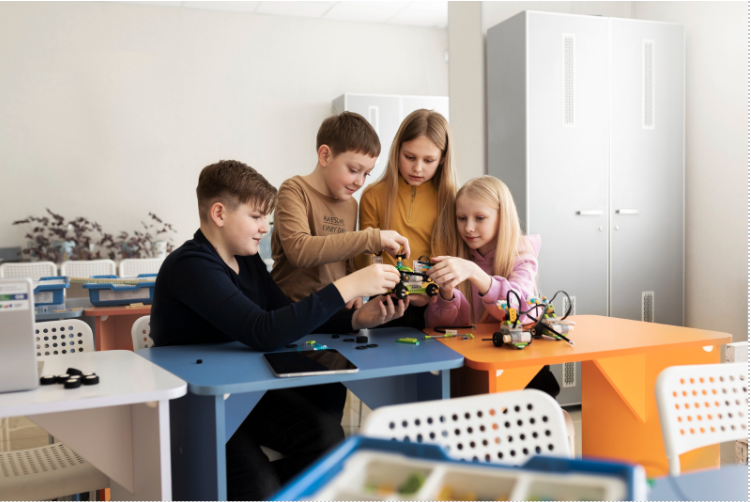
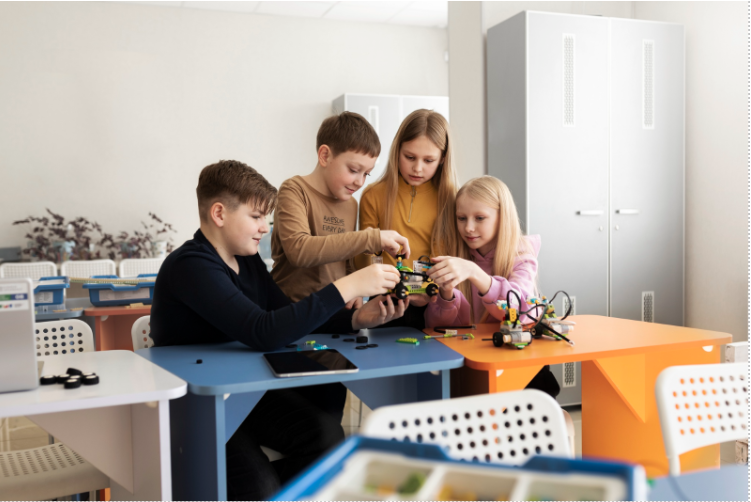
A STEM education programme is intended to promote curiosity, logical thinking, creativity, and confidence through the use of STEM-related material and experiences.

7 Careers of 2035 to Prepare for with STEM Education
Rather than just concentrating on set career ambitions, it is better to recognise where trends toward growing opportunity currently exist. The seven options below indicate some of the greater possibilities with STEM learning.
1. AI and Machine Learning Specialist
Artificial intelligence is becoming a core part of how systems operate across industries. Professionals in this field design models that learn from data and support decision-making in real time.
- Develop intelligent systems used in multiple industries
- Work on automation and predictive technologies
- Ensure responsible and ethical use of AI
Role of STEM education
- Builds structured thinking and logic
- Introduces early coding and algorithm concepts
- Strengthens ability to work with data patterns
2. Climate and Sustainability Analyst
Environmental challenges are becoming central to global planning and development. Specialists in this field focus on reducing environmental impact and designing sustainable solutions.
- Analyse environmental and climate data
- Support sustainable planning for organisations and cities
- Contribute to long-term environmental strategies
Role of STEM education
- Develops understanding of environmental systems
- Builds analytical and data interpretation skills
- Encourages systems-based thinking
3. Robotics Engineer
Robotics is transforming industries such as healthcare, manufacturing, and logistics. Engineers in this field design machines that can perform tasks with precision and intelligence.
- Design and build automated robotic systems
- Combine mechanical, electronic, and software components
- Improve efficiency in real-world applications
Role of STEM education
- Encourages hands-on experimentation
- Builds understanding of how systems work together
- Strengthens design thinking and problem-solving
4. Digital Health Specialist
Healthcare is increasingly supported by digital tools and technologies. This role connects medical knowledge with data-driven systems to improve patient care.
- Work with wearable devices and health tracking systems
- Support remote diagnosis and treatment platforms
- Improve access and efficiency in healthcare delivery
Role of STEM education
- Integrates science with technology learning
- Builds interdisciplinary understanding
- Encourages real-world application of biology and data
5. Cybersecurity Analyst
As digital systems expand, protecting information becomes extremely important. Cybersecurity professionals focus on safeguarding networks, systems, and sensitive data.
- Identify and prevent digital threats
- Secure systems and communication networks
- Strengthen data protection frameworks
Role of STEM education
- Develops logical reasoning and structured thinking
- Builds awareness of digital systems
- Encourages careful analysis of problems
6. Human AI Interaction Designer
As intelligent systems become more common, designing how people interact with them becomes essential. This role focuses on making technology intuitive and user-friendly.
- Design interfaces between humans and AI systems
- Improve usability and user experience
- Ensure ethical interaction design
Role of STEM education
- Combines creativity with structured thinking
- Encourages understanding of human behaviour
- Builds problem-solving from a user perspective
7. Augmented Reality and Virtual Reality Developer
Immersive technologies are changing how people learn, train, and communicate. This field focuses on creating interactive digital environments.
- Build virtual and augmented reality experiences
- Design immersive learning and simulation tools
- Combine creativity with technical development
Role of STEM education
- Encourages integration of creativity and technology
- Builds experience with digital tools
- Strengthens innovation-focused thinking
Conclusion
Future careers will combine disciplines instead of having one discipline dominate someone’s career. As technology advances, the ability to adjust and use critical thinking will outweigh gaining knowledge by memory or doing repetitive tasks.
Children need early exposure to STEM education as it builds the foundation needed for these essential skills. It creates a natural curiosity in students, encourages them to try new things and instils confidence when resolving novel issues.
The actual goal is to create students who can think flexibly and have strong capabilities to learn, rather than creating students with knowledge for a fixed future career path.
Students who possess these abilities will have an easier time adapting to change, finding new opportunities and adding value in a rapidly changing world.