Solar Panel Using Aluminum Foil: An Easy DIY Renewable Energy Project You Can Try at Home
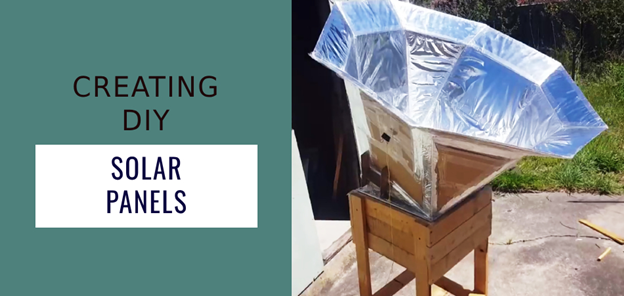
Renewable energy is no longer just a topic for scientists and engineers. With simple materials and basic curiosity, anyone can explore how clean energy works. One of the most interesting ways to understand solar power is by building a solar panel using aluminium foil. While this homemade setup cannot replace commercial solar panels, it is an excellent educational experiment that explains the core ideas behind solar energy in a simple and hands-on manner.
This DIY solar panel project is perfect for students, teachers, hobbyists, and anyone interested in renewable energy. It is especially useful as a school solar experiment or a beginner-level renewable energy project that demonstrates how sunlight can be converted into electrical energy using basic materials.
Basic Idea Behind the Project
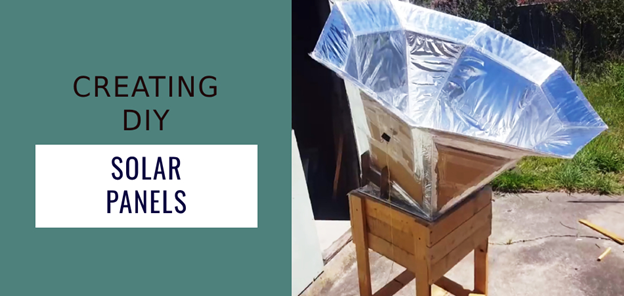
The idea behind a solar panel is simple: convert sunlight into electricity. In commercial solar panels, this happens through the photovoltaic effect. In a DIY setup using aluminium foil, the same principle is demonstrated in a simplified way.
Aluminium foil mainly acts as a reflective surface, helping direct sunlight toward a conductive or semi-conductive layer such as copper. When sunlight hits this surface, a small electrical potential can be observed. Though the output is minimal, it is enough to demonstrate how solar energy conversion works.
Understanding Solar Energy in Simple Terms
Solar energy comes from the sun in the form of light and heat. When light falls on certain materials, it can cause electrons to move. This movement of electrons creates an electrical current.
In professional solar panels:
- Silicon is used as a semiconductor
- Multiple photovoltaic cells are connected
- Electricity is generated efficiently and stored or used directly
In a school solar experiment like this one:
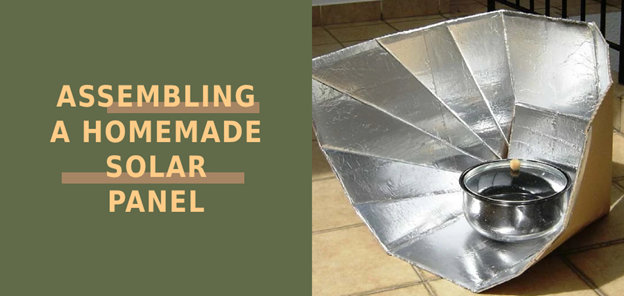
- Aluminium foil reflects sunlight
- Copper acts as a basic conductive layer
- A small voltage is produced and measured
This simplified setup helps learners visualise the concept without advanced tools.
Materials Needed for the DIY Solar Panel Project
One of the biggest advantages of this DIY solar panel project is that it uses easily available and low-cost materials. Most items can be found at home or in a classroom.
Materials
- Photovoltaic (PV) Cells: The core component for converting sunlight into electricity. It’s advisable to purchase cells with similar voltage and current ratings for consistency.
- Tabbing Wire: Used to connect individual PV cells. This thin, flat wire is essential for assembling the cells into a functional unit.
- Bus Wire: A thicker wire used to connect strings of PV cells within the solar panel.
- Soldering Flux Pen: Helps to clean and prepare the surfaces of the PV cells and wire to ensure a strong, conductive bond when soldering.
- Encapsulation Material: Such as EVA (ethylene-vinyl acetate) sheets, to protect the cells from moisture and other environmental factors.
- Tempered Glass: This will be the front cover of your solar panel, allowing sunlight to pass through while protecting the PV cells.
- Back Sheet: Typically a durable polymer that provides insulation and structural support.
- Aluminium Frame: Provides structural support for the solar panel and facilitates mounting.
- Junction Box: Houses the electrical connections and bypass diodes, typically weatherproof for durability.
- Silicone Sealant: To seal the edges of the panel, protecting against moisture.
Tools
- Soldering Iron and Solder: For connecting tabbing and bus wires to the PV cells.
- Multimeter: Used for testing the voltage and current output of the PV cells and the assembled solar panel.
- Wire Cutters/Strippers: Essential for preparing tabbing and bus wires.
- Glass Cutter: If you’re cutting tempered glass yourself to size.
- Heat Gun: To help set the encapsulation material.
- Safety Gear: Including safety glasses and gloves to protect against electrical hazards and glass handling
These materials are enough to create a basic homemade solar panel for educational purposes.
Step-by-Step Overview of the Process
Method 1: Understanding the Basics of Solar Panels
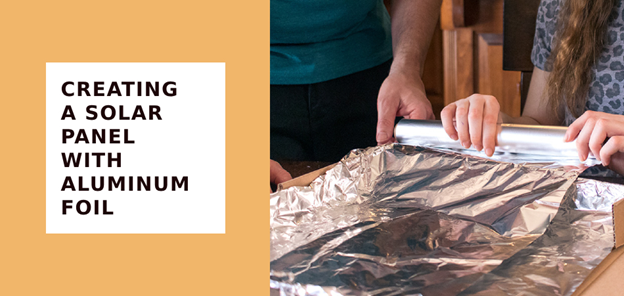
Before making a solar panel with aluminium foil, it is important to understand how solar panels work. Solar panels convert sunlight into electricity using photovoltaic (PV) cells made of semiconductor materials such as silicon. A homemade solar panel uses simple materials to demonstrate this concept and focuses on learning rather than high efficiency.
Method 2: Gathering Materials
To build a simple solar panel, collect basic materials such as aluminium foil, cardboard, glass or clear plastic, copper wire, a multimeter, black paint, and glue or tape. Basic tools like scissors and a ruler are also required. Having all materials ready makes the process easier and more organised.
Method 3: Constructing the Base
Create a sturdy base using cardboard, slightly larger than the glass or plastic cover. Paint the base black to absorb more sunlight and reduce reflection. This base supports all components and improves the panel’s overall performance.
Method 4: Preparing the Aluminium Foil

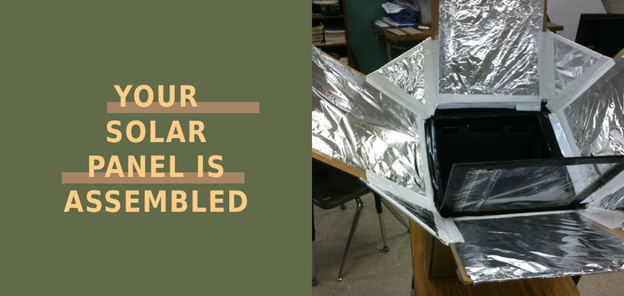
Cut the aluminium foil slightly smaller than the cardboard base and smooth out any wrinkles. Attach it flat onto the base using glue or tape. The foil reflects sunlight toward the semiconductor layer, helping increase energy absorption.
Method 5: Creating the Semiconductor Layer
Place a copper sheet of the same size on top of the aluminium foil. Ensure proper contact between the copper and foil for better energy transfer. Copper acts as a basic semiconductor for demonstrating solar energy conversion.
Method 6: Connecting the Wires
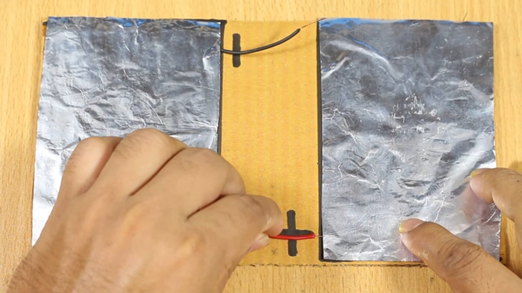
Attach one copper wire to the copper sheet and another to the aluminium foil using a soldering iron. These wires form a complete circuit and carry the generated electrical energy to a multimeter for measurement.
Method 7: Assembling the Solar Panel
Cover the setup with a glass or clear plastic sheet to protect the components while allowing sunlight to pass through. Secure it tightly to prevent movement and ensure consistent performance.
Method 8: Testing Your Solar Panel
Place the panel in direct sunlight and connect it to a multimeter to measure voltage. Adjust the angle of the panel to maximise sunlight exposure and observe changes in output.
Method 9: Improving Efficiency
Although efficiency is low, performance can be improved by adjusting the panel’s angle, using extra reflective surfaces, or experimenting with different conductive materials.
Method 10: Understanding Limitations and Learning Opportunities
This project is mainly for learning and experimentation. A solar panel with aluminium foil cannot match commercial panels in efficiency, but it providesa valuable hands-on understanding of solar energy principles.
Testing the Homemade Solar Panel
Once assembled, place the solar panel in direct sunlight. Connect the wires to a multimeter set to measure voltage. You may observe a small voltage reading, which confirms that sunlight is being converted into electrical energy.
Adjusting the angle of the panel can improve exposure to sunlight and slightly increase the output. This step teaches learners the importance of panel orientation in real solar installations.
Improving the Efficiency (Within Limits)
Although the efficiency of a solar panel with aluminium foil is very low compared to commercial panels, small improvements can be made:
- Position the panel directly facing the sun
- Use additional reflective surfaces
- Ensure tight electrical connections
- Experiment with different conductive materials
These improvements help students understand real-world challenges in solar energy systems.
Applications of This Renewable Energy Project
This project is best suited for learning and demonstration purposes. Common applications include:
- School science exhibitions
- Classroom demonstrations
- Introductory renewable energy lessons
- DIY science experiments at home
As a renewable energy project, it encourages curiosity and awareness about clean energy technologies
Conclusion
Building a solar panel using aluminium foil is an easy and educational way to understand the fundamentals of solar energy. This DIY solar panel project demonstrates how sunlight can be converted into electrical energy using basic materials, making it ideal as a school solar experiment or beginner-friendly renewable energy project.
While it cannot replace real solar panels, this homemade solar panel provides valuable insight into renewable energy concepts and encourages curiosity, experimentation, and sustainable thinking. With simple materials and a bit of creativity, anyone can explore the science behind solar power right at home.