Integrating AI in STEM Education: A New Era of Learning
Introduction
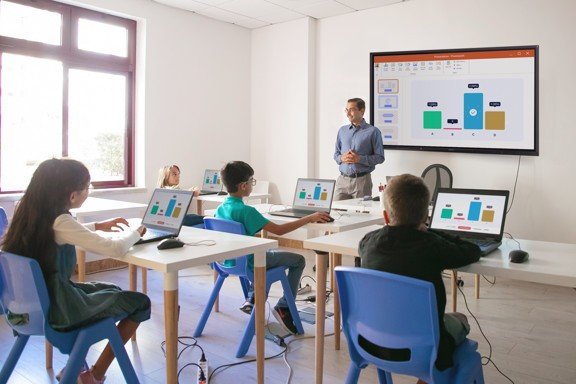
Education is evolving rapidly as technology becomes a bigger part of everyday life. Classrooms today are no longer limited to textbooks, chalkboards, and traditional lectures. With the rise of artificial intelligence, learning environments are becoming more dynamic, interactive, and personalized.
The integration of artificial intelligence into STEM education is opening new possibilities for both teachers and students. AI can analyze learning patterns, recommend resources, support problem-solving, and even help teachers understand how students learn best. Instead of replacing teachers, AI acts as a powerful assistant that supports learning in smarter and more efficient ways.
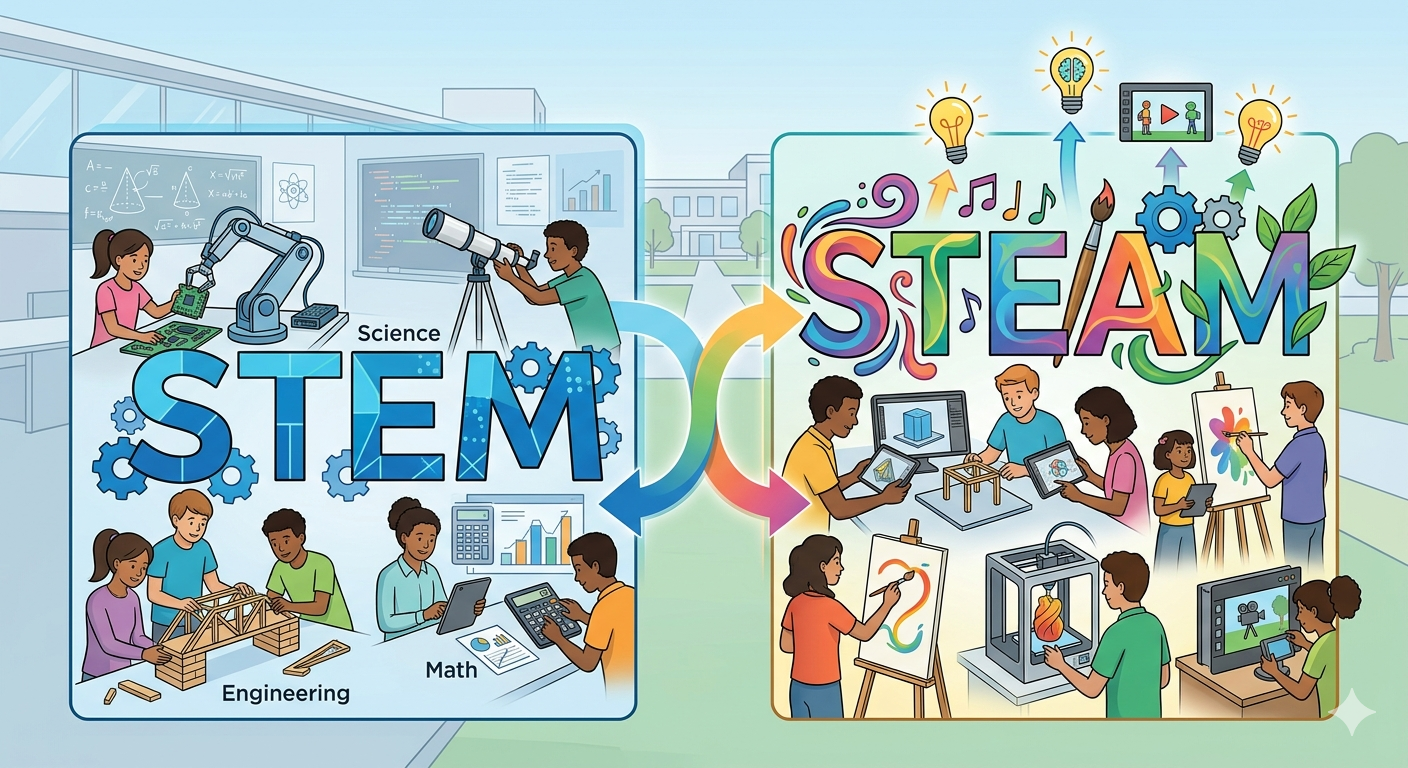
As schools begin adopting ai-integrated stem education approaches, students are gaining access to tools that help them explore science, technology, engineering, and mathematics in deeper and more meaningful ways.
Ai-integrated stem education
The concept of ai-integrated stem education focuses on combining artificial intelligence with traditional STEM subjects to enhance learning experiences. Instead of studying subjects separately, students can explore how AI connects with science, mathematics, engineering, and technology.
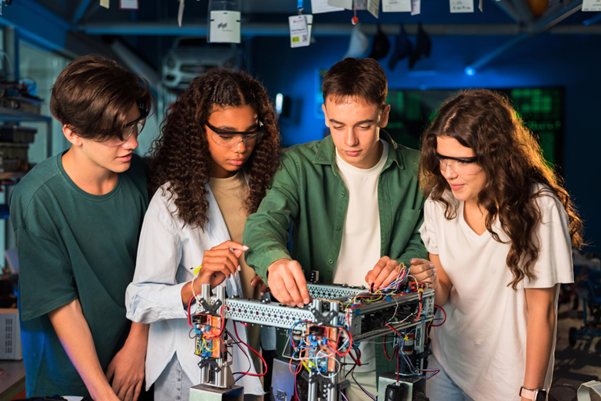
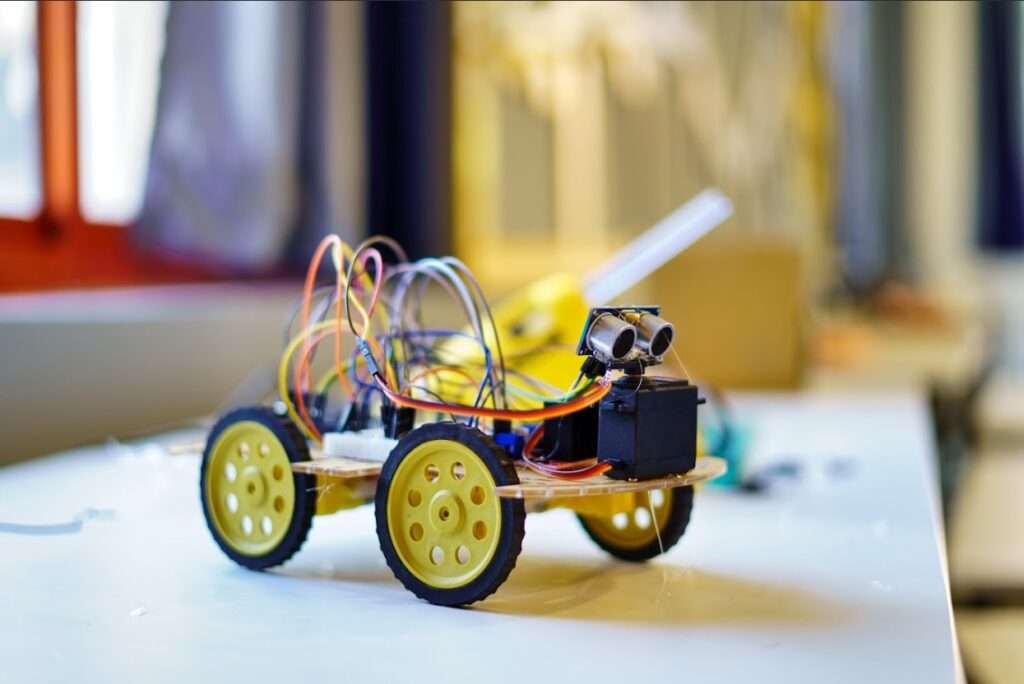
For example, students learning about environmental science might use AI tools to analyze climate data. In mathematics classes, AI-powered platforms can help students visualize complex equations or patterns. Engineering projects may include designing smart systems that respond to data inputs.
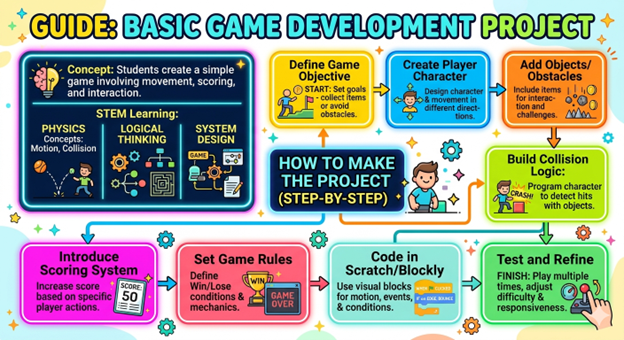
This approach encourages students to think creatively and solve real-world problems. They learn not only theoretical concepts but also practical applications that mirror modern technological environments.
Some benefits of integrating AI into STEM classrooms include:
- Encouraging problem-solving and innovation
- Allowing students to explore real-world data
- Supporting project-based learning
- Preparing students for future technology-driven careers
By blending AI with STEM learning, education becomes more relevant to the challenges and opportunities of the modern world.
Revolutionizing Personalized Learning Through AI
One of the most powerful impacts of artificial intelligence in education is its ability to support personalized learning. Every student learns at a different pace, and traditional classrooms often struggle to accommodate these differences.
Artificial intelligence can analyze how students interact with learning materials. By studying patterns such as quiz results, time spent on tasks, and areas of difficulty, AI systems can recommend customized learning paths.
For example, if a student struggles with algebra, an AI platform may suggest additional exercises, visual explanations, or short video lessons. If another student quickly masters the concept, the system can provide more advanced challenges to keep them engaged.
Revolutionizing Personalized Learning Through AI means that students are no longer forced to follow a one-size-fits-all model. Instead, they receive support that adapts to their individual needs.
Teachers also benefit from these insights. AI-generated reports can help educators identify learning gaps, allowing them to provide targeted guidance and support.
AI as a Tool for Enhancing Engagement
Student engagement is one of the biggest challenges in education today. When lessons feel disconnected from real life, students may lose interest or motivation. Artificial intelligence can help make learning more interactive and exciting.
AI-powered educational tools often include simulations, games, and virtual environments that allow students to explore scientific concepts in immersive ways. For instance, students studying space science might use AI simulations to explore planetary systems or observe how gravity affects objects in motion.
Another advantage of AI as a Tool for Enhancing Engagement is the use of intelligent chatbots and virtual assistants. These tools can answer questions instantly, guide students through complex tasks, and provide hints when they are stuck.
Gamified AI platforms also reward progress through points, levels, and achievements. This approach turns learning into an enjoyable challenge rather than a routine task.
When students are actively engaged, they become more curious, ask more questions, and develop a deeper understanding of the subject.
The Role of AI in Assessing Student Progress
Assessment is an important part of education, but traditional exams often measure only memorization rather than true understanding. Artificial intelligence introduces new ways to evaluate student progress.
The Role of AI in Assessing Student Progress involves analyzing multiple forms of learning data. Instead of relying solely on final exams, AI systems can track:
- Participation in online activities
- Performance in quizzes and assignments
- Time spent on problem-solving tasks
- Improvement over time
These insights allow teachers to gain a more complete picture of student learning. For example, a student who initially struggles with physics concepts but gradually improves can be recognized for progress rather than judged only by a single exam score.
AI-based assessment tools also provide immediate feedback. Students can quickly see where they made mistakes and learn how to correct them. This continuous feedback encourages improvement and builds confidence.
For teachers, automated grading and analytics reduce administrative workload, allowing them to focus more on mentoring and guiding students.
Preparing Students for the Future
As artificial intelligence continues to shape industries such as healthcare, transportation, finance, and agriculture, students need to understand how these technologies work.
Integrating AI into STEM education prepares students for the careers of the future. It teaches them how to analyze data, think critically, and design innovative solutions.
Beyond technical skills, AI learning also develops:
- Creativity and experimentation
- Logical reasoning and analysis
- Collaboration and teamwork
- Digital literacy and ethical awareness
Students who learn to work with intelligent technologies will be better equipped to adapt to rapidly changing job markets.
Conclusion
The integration of artificial intelligence into STEM education marks the beginning of a new era of learning. Through ai-integrated stem education approaches, classrooms are becoming more interactive, personalized, and future-focused.
From Revolutionizing Personalized Learning Through AI to using AI as a Tool for Enhancing Engagement and understanding The Role of AI in Assessing Student Progress, artificial intelligence offers powerful opportunities to improve education.
When used thoughtfully, AI can support teachers, empower students, and create learning environments that encourage curiosity and innovation. As technology continues to advance, the combination of STEM education and artificial intelligence will play a key role in shaping the next generation of thinkers, creators, and problem-solvers.