Australia’s ‘Living STEM’ Initiative Blends Science with Indigenous Knowledge for a Sustainable Future
In a significant evolution of modern education, sustainability and Indigenous knowledge are being actively integrated into STEM (Science, Technology, Engineering, and Mathematics) learning through innovative global programs. One notable example is Australia’s “Living STEM” initiative, led by CSIRO in collaboration with industry partners, which aims to combine scientific education with Indigenous perspectives to create more meaningful and future-ready learning experiences.

The initiative focuses on bridging the gap between traditional scientific approaches and the deep ecological understanding held by Indigenous communities. For generations, Indigenous Australians have practiced sustainable living through a close relationship with the land, water, and environment. By incorporating this knowledge into STEM education, programs like “Living STEM” are helping students gain a broader, more holistic understanding of sustainability and environmental stewardship.
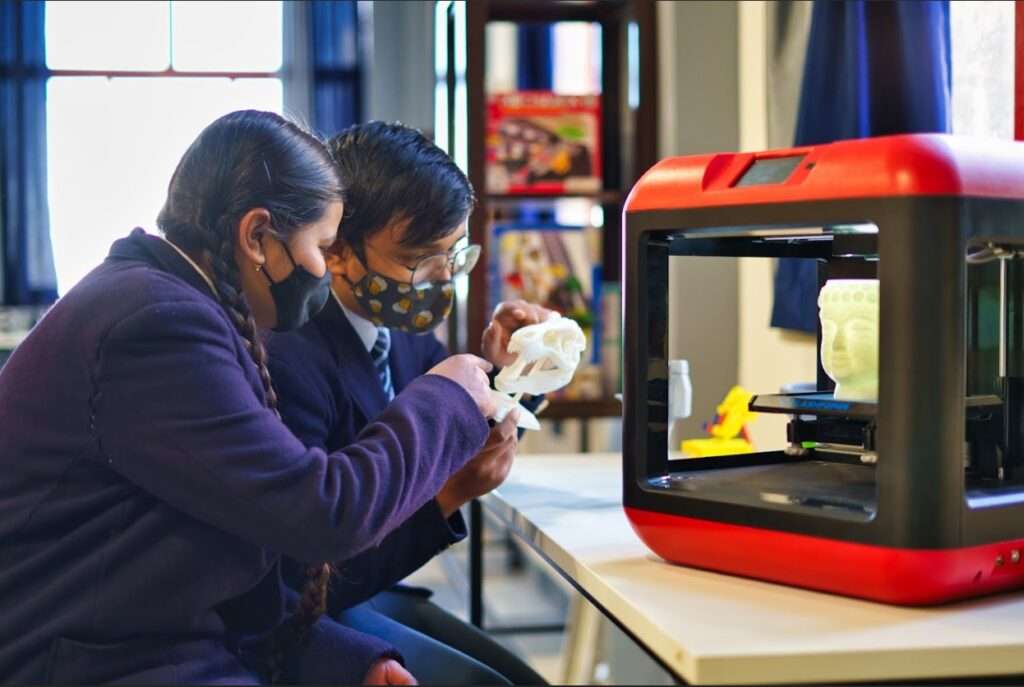
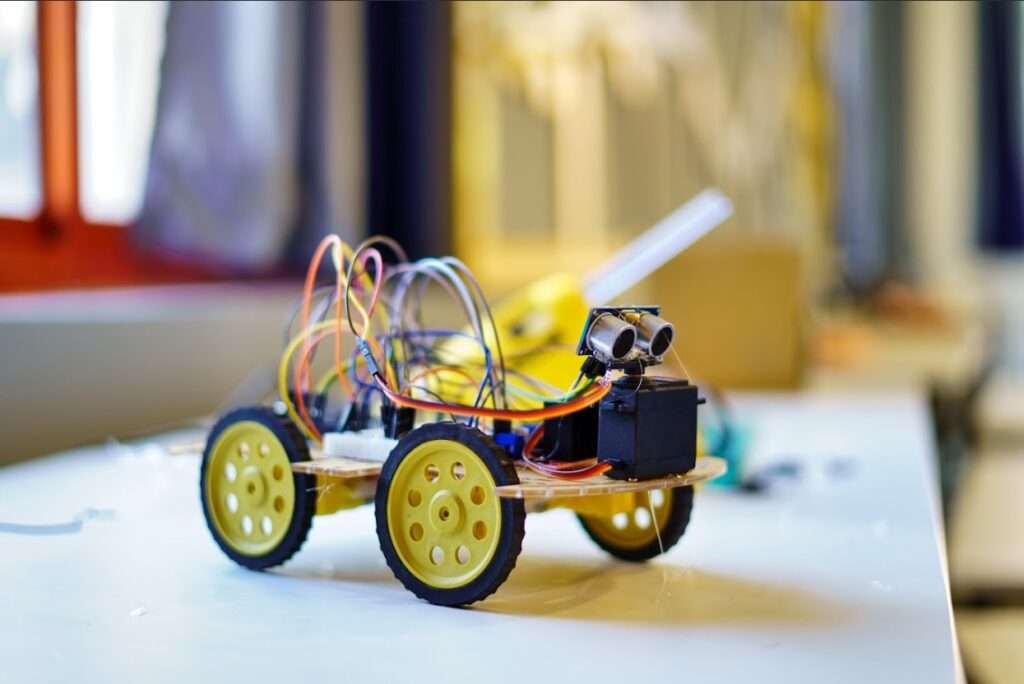
Across participating schools, students are engaging in hands-on projects that explore topics such as biodiversity, climate change, renewable energy, and land management. What sets these programs apart is their emphasis on learning from Indigenous practices—such as natural resource conservation, seasonal cycles, and ecosystem balance—alongside modern scientific methods. This dual approach not only strengthens conceptual understanding but also encourages students to think critically about real-world environmental challenges.
Educators involved in the initiative report that integrating Indigenous knowledge has significantly increased student engagement. Lessons become more relatable and context-driven, especially for students from Indigenous backgrounds who see their culture and traditions reflected in the curriculum. At the same time, non-Indigenous students benefit from exposure to diverse perspectives, fostering respect, inclusivity, and global awareness.
The growing adoption of such programs reflects a broader international trend, supported by organizations like UNESCO, which advocates for culturally inclusive and sustainability-focused education. Experts believe that addressing complex global issues such as climate change requires not only advanced technology but also wisdom drawn from traditional knowledge systems that have sustained communities for centuries.
However, implementing this model at scale comes with challenges. Ensuring that Indigenous knowledge is represented accurately and respectfully requires close collaboration with communities. Teacher training, curriculum development, and policy support are also critical to maintaining the quality and authenticity of such programs.
Despite these challenges, initiatives like “Living STEM” mark a transformative step in the evolution of STEM education. They signal a move away from purely technical instruction toward a more integrated, solution-driven approach one that values cultural diversity, environmental responsibility, and real-world impact. As education systems worldwide continue to adapt, the blending of science with Indigenous knowledge is likely to play a crucial role in shaping a more sustainable and inclusive future.