

Foothill’s MESA Program Opens STEM Pathways for First-Generation College Students
First-Generation College Students Face Unique Challenges
Hands-On Learning Builds Practical Skills
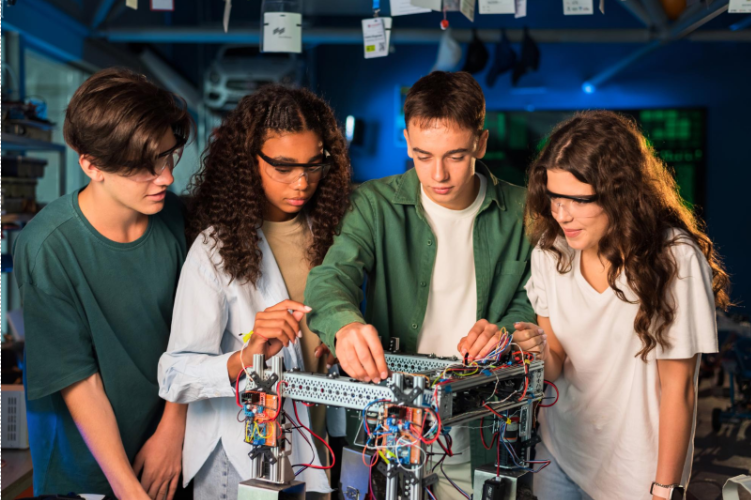
One of the defining strengths of STEM education is its emphasis on experiential learning. Through research projects, laboratory work, engineering design challenges, internships, and collaborative problem-solving, students apply theoretical knowledge to real-world situations.
Hands-on experiences deepen understanding while helping students develop analytical thinking, technical expertise, teamwork, and communication skills
Educational experts believe that project-based learning increases student motivation because learners can directly observe how classroom concepts connect to practical applications. Such experiences also prepare students for university research environments and future professional careers.
The MESA Program encourages active participation in these opportunities, helping students build both academic competence and practical experience.
Mentorship and Career Development Strengthen Future Opportunities
Along with academic assistance, mentoring is a key component of helping students develop potential careers in STEM. Through guidance and advice from faculty members, professional staff within the corporate world, and seasoned student peers, students will receive help with regards to internship opportunities, transfer options, research experiences, and how to create long-term career plans.
Students will benefit by attending workshops that are focused on increasing leadership, communication, networking, and professional skill development since these types of skills are becoming more and more desirable by employers.
Leaders in the education field have acknowledged that career readiness involves more than just your professional/technical knowledge. They believe students will have much greater success in their future career if they have good self-confidence, develop strong interpersonal relationships and understand what is expected from them in the industry in which they work.
Programs that encourage students to achieve high levels of academic performance (e.g., highest GPA) and prepare them for a career will help facilitate students' transitions from school to the workforce more smoothly.
Expanding Diversity in STEM Fields
A top priority of education and industry is to increase the participation levels of all individuals, especially those belonging to underrepresented populations. The presence of a diverse group will enhance innovation, creativity and problem-solutions; therefore, we need many different viewpoints in order to benefit from all that is available.
First-generation college student support programs also contribute to broadening access to STEM education; by providing learning opportunities through the reduction of barriers that exist due to socio-economic and/or educational challenges.
Educational leaders point out that increasing the diversity of individuals pursuing a STEM-related degree will benefit society; we will have a stronger labor force with more variety of ideas and solutions.
Programs like MESA demonstrate how providing targeted assistance helps increase educational inclusivity and ultimately lead to long-term economic growth.
Looking Ahead
Foothill College’s MESA Program highlights the transformative impact of comprehensive support systems for first-generation college students pursuing STEM education. By combining academic assistance, mentorship, experiential learning, and career development, the program helps students build the knowledge and confidence needed to succeed in science, technology, engineering, and mathematics.
As industries continue seeking highly skilled STEM professionals, initiatives that expand educational access and promote student success will remain increasingly important. Supporting first-generation learners not only creates new opportunities for individuals but also strengthens innovation, workforce development, and educational equity.
The continued growth of programs like MESA reflects a broader commitment to ensuring that talent, determination, and curiosity—not personal background—determine a student's ability to pursue meaningful careers in STEM. Through mentorship, collaboration, and hands-on learning, Foothill College is helping shape the next generation of scientists, engineers, and innovators.