Japan’s Study Abroad Landscape Shifts as Short-Term International Mobility Gains Popularity
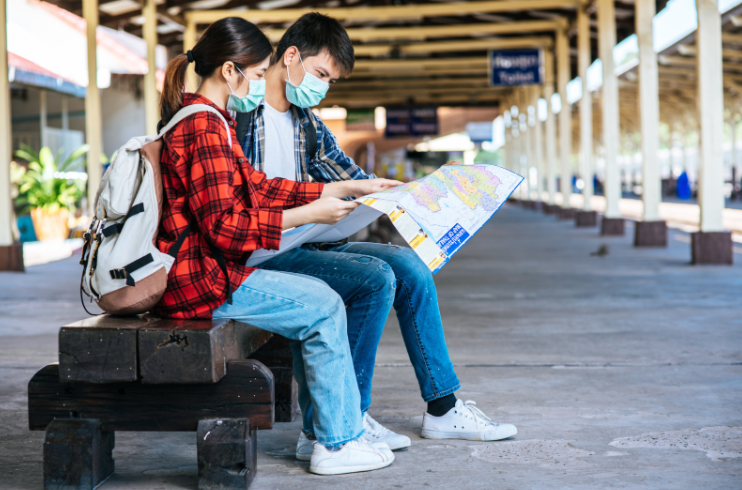
Japan’s international education landscape is undergoing a significant transformation as short-term study abroad programmes gain popularity among students seeking global exposure without committing to long-duration overseas education. Educational institutions across Japan are reporting increased participation in exchange programmes, international summer schools, language immersion courses, and short-term academic experiences designed to provide global learning opportunities within a flexible timeframe.
The pattern shows how students' attitudes and what employers want are changing. Traditional long-term study abroad programs are still beneficial, but students also want to participate in shorter international activities where they can build intercultural competence, be globally aware, and remain academically capable while continuing their education through their main degree program.
Educational professionals think that several things are motivating the growth in short-term international mobility: price, access, changes in ambition regarding future work, and increased recognition of the benefits of being internationally minded in an economy that is now interconnected. With universities and employers increasingly valuing skills related to cross cultural communication and adaptability, students are looking for ways to have international experiences earlier and more frequently.
Short-Term International Programmes Attract Modern Learners
The growing popularity of short-term mobility programs is indicative of a broader change in global education; students are generally interested in flexible learning that integrates into their existing academic schedule with the opportunity for an authentic international experience as part of their overall education.
Short-term mobility programs are typically anywhere from a few weeks to several months long. These programs can include anything from language classes, cultural exchanges, research collaborations, academic workshops, to internship opportunities or initiatives created through partnerships between universities and colleges. In addition to academic skills, participants in these programs will experience an entirely new educational system, different teaching styles, and the culture of another country.
In response, educational institutions have developed a variety of international partnerships that allow for unique programs based on the needs of students. Increasingly, colleges and universities are recognizing that even brief international experiences will enhance personal development, academic growth, and career-readiness among their students.
More broadly, this trend supports the goal of creating students who are prepared to work and live in the increasingly interdependent global community.
STEM Curriculum for Schools India Reflects Similar Global Priorities
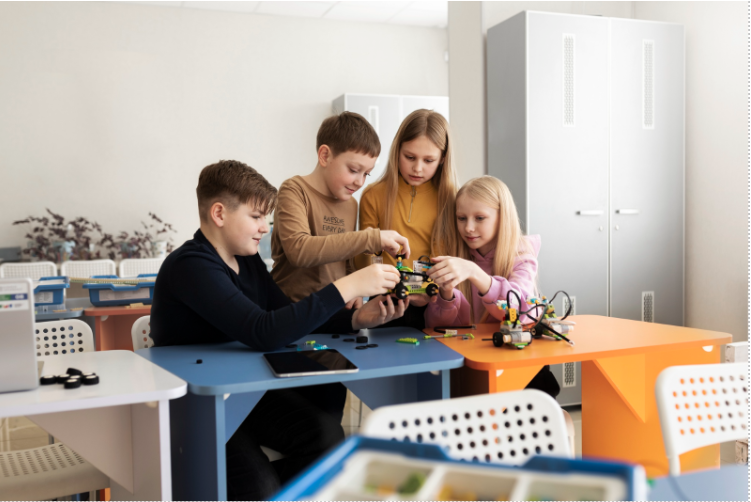
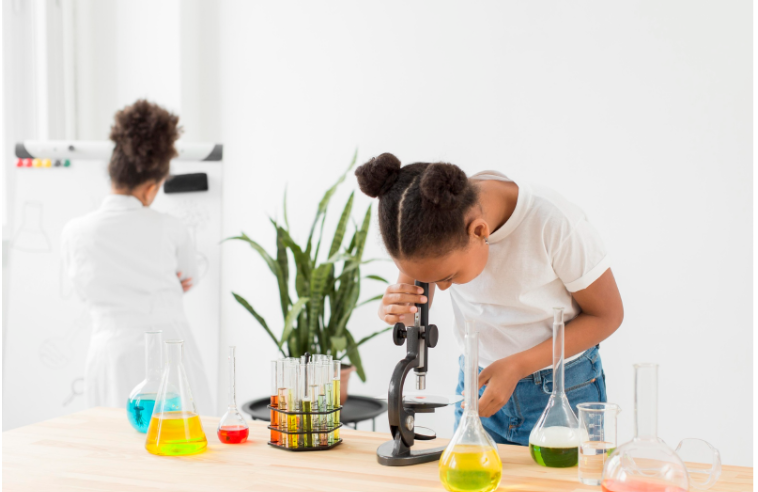
The developments in Japan mirror educational reforms taking place worldwide, including the growing emphasis on a strong STEM curriculum for schools India. Modern education systems are increasingly prioritizing skills such as critical thinking, problem-solving, collaboration, innovation, and adaptability.
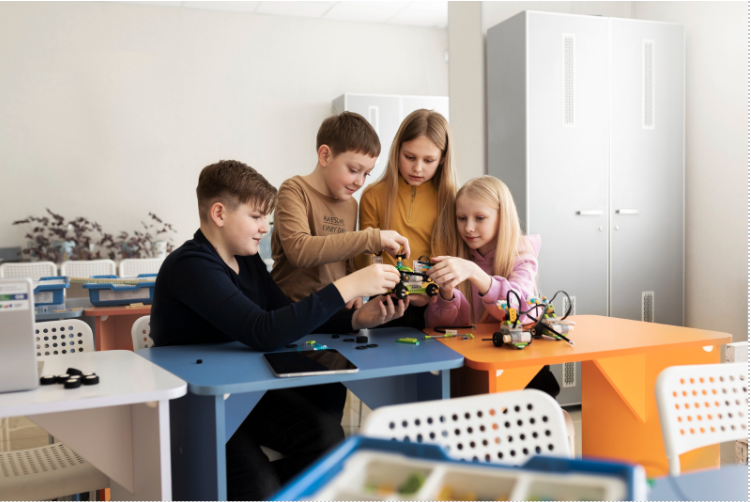
A well-designed STEM curriculum for schools India encourages students to engage with real-world challenges, explore interdisciplinary concepts, and apply knowledge through practical experiences. These same competencies are often strengthened through international learning opportunities that expose students to new ideas and perspectives.
As global mobility and STEM education continue evolving together, schools are recognizing the importance of preparing students for both local and international opportunities.
Global Exposure Supports Future Career Development
Through participation in international mobility programs, students will have the chance to gain valuable experiences by learning how to navigate unfamiliar environments, work collaboratively with classmates from other countries, and adjust to different teaching methods. Obtaining this type of experience will help students become stronger through experiences of resilience building, cultural competence building, and a better understanding of the world.
Many institutions of higher education value international engagement, and often regard participation in study abroad programs as evidence that a student has shown initiative, adaptability, and has been willing to take on challenges.
As career opportunities continue to become more global in nature, educational experiences that assist with developing a global perspective will remain very important.
STEM Curriculum for Schools India Encourages Global Competencies
The growing focus on international education complements the objectives of a strong STEM curriculum for schools India. STEM learning environments increasingly encourage students to think globally, collaborate across disciplines, and address challenges that transcend national boundaries.
Through project-based learning, research initiatives, innovation competitions, and technology-driven activities, students develop skills that can be applied in international contexts. Educational experts note that combining STEM education with global exposure can help prepare learners for emerging industries and future workforce demands.
Schools that integrate global perspectives into STEM programmes often create more engaging and relevant learning experiences for students.
Universities Expand International Collaboration Opportunities
To meet rising demand, Japanese universities and educational institutions are increasing partnerships with schools and universities around the world. These collaborations support student exchanges, joint research projects, international workshops, and cross-border academic programmes.
Technology has also played an important role in expanding access to international experiences. Virtual exchanges, online collaborations, and hybrid mobility programmes now allow students to connect with peers globally even when physical travel is limited.
Educational leaders believe that these initiatives contribute to stronger international networks and create opportunities for students to engage with diverse viewpoints. By participating in collaborative projects, students gain practical experience working across cultural and geographical boundaries.
The expansion of international partnerships demonstrates a commitment to preparing students for a world where global collaboration is increasingly common across industries and professions.
STEM Curriculum for Schools India and International Learning Share Common Goals
Both international mobility programmes and a robust STEM curriculum for schools India emphasize curiosity, exploration, innovation, and lifelong learning. These educational approaches encourage students to move beyond passive knowledge acquisition and actively engage with complex challenges.
Whether through international exchanges, scientific research, engineering projects, or technology-based learning, students are developing the skills necessary to navigate rapidly changing social, economic, and technological landscapes.
Educational experts argue that the combination of STEM education and global exposure creates powerful opportunities for student growth. Learners gain both technical expertise and intercultural understanding, helping them succeed in increasingly interconnected environments.
The Future of Global Education
Japan’s growing preference for short-term study abroad experiences reflects broader changes occurring throughout the international education sector. Students are seeking flexible, meaningful opportunities that provide global exposure while supporting academic and career goals.
As educational institutions continue expanding international programmes, the importance of adaptability, cross-cultural communication, and global awareness is likely to increase. These qualities are becoming essential for success in higher education and the modern workforce.
At the same time, initiatives such as a strong STEM curriculum for schools India demonstrate how countries are investing in future-ready education that combines innovation, practical learning, and problem-solving. Together, international mobility and STEM education are helping shape a new generation of learners equipped to thrive in a rapidly changing world.
Japan’s evolving study abroad landscape highlights the growing recognition that global experiences, whether short-term or long-term, can play a vital role in preparing students for the opportunities and challenges of the future.