State Board Students Dominate KCET 2026 Rankings as CBSE Representation Declines

The Karnataka Common Entrance Test (KCET) 2026 results have generated significant discussion across the education sector after State Board students secured a majority of the top ranks, while the representation of CBSE students among high achievers witnessed a noticeable decline. The outcome has reignited debates about curriculum alignment, examination strategies, and the evolving relationship between board education and competitive entrance examinations. 

CBSE

The KCET remains the primary examination to gain admission into degrees and programs of engineering, agriculture, pharmacy, and other RDT from multiple educational systems throughout Karnataka state. Each year, students from various state boards, along with those from other national and international systems (e.g. CBSE, ICSE), will take a competitive exam for entry into many of the top colleges in Karnataka. 

The ranking of this year’s KCET has received much attention because many of those who were the highest rankers on KCET came through the Karnataka State Board. According to some education experts, this can be attributed to several reasons, including familiarity with the curriculum assessed in KCET, experience with the type of test format given on KCET, the availability of test coaching, and the strategies used by many students when preparing for this exam. 

In addition, the results of this year’s KCET have led to much discussion about how well different state boards prepare their students to take competitive exams and whether different types of curriculum structure affect each state’s performance in competitive exams. 

Changing Competitive Exam Trends Attract Attention 

The performance of KSSB students has led educators and policymakers to investigate the possible correlation between course curriculum and entrance exam requirements. There is often a close correlation between the subject matter covered in KSSB and KCET questions, which may provide KSSB students with an advantage when it comes to being familiar with the material on the test and preparing for the test. 

As students prepare to take national entrance exams, like the JEE Main, JEE Advanced and NEET, many will shift their priorities during their senior secondary years.  

While exam performance is a standard metric, educators widely agree it cannot serve as the sole indicator of curriculum quality. A student's academic success is deeply influenced by a multitude of outside variables, including personal study habits, resource accessibility, parental and teacher support, school guidance, and individual learning styles. 

The studies being conducted have resulted in discussions among parents and students regarding what path they should follow in their educational experience and which direction they wish to go in their academic careers. 

STEM Education Partner CBSE ICSE Programs Support Diverse Learning Goals 

Even though many educational institutions receive a lot of attention when it comes to competitive exams, there are still many schools and colleges focusing on developing a range of skills through STEM-based educational programmes. 

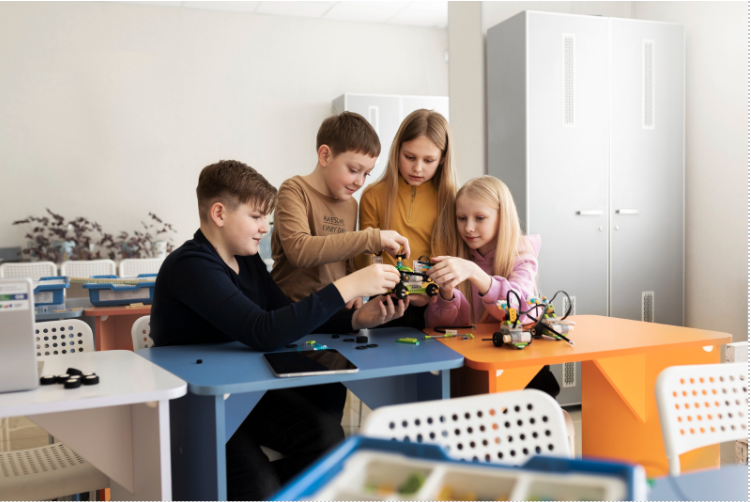
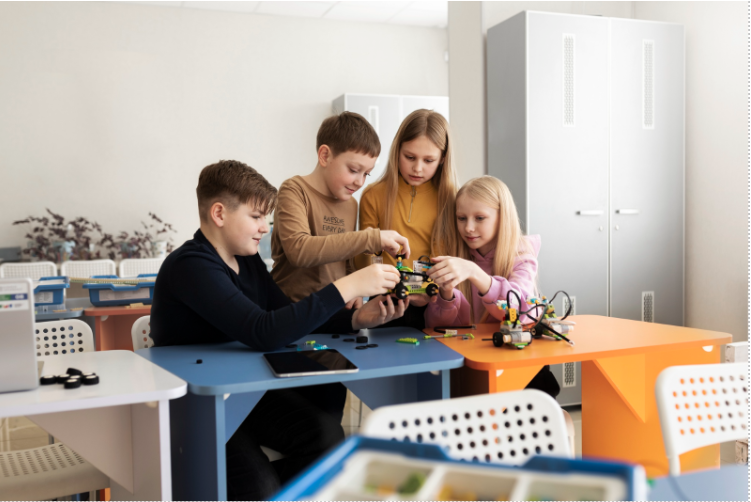
STEM-based educational partnerships are typically very strong in supporting innovation, research, ICT, robotics, design engineering, and problem solving to prepare students for beyond just taking a competitive exam. 

These types of programmes also allow students to develop critical thinking, creativity, the ability to collaborate with others, and technology literacy, which are becoming increasingly important for successful future education and careers, even though students will have varied results from a single entrance examination. 

Education experts have stated that in order to be successful today, a combination of academic knowledge, practical skill sets, and the ability to be adaptable is necessary. STEM initiatives are focused on equipping students with the skills and knowledge they will need to meet these broad challenges. 

State Board Success Highlights Curriculum Alignment 

The growth of International Baccalaureate (IB) programs has played an important role in promoting educational change in Bulgaria. Globally recognized for their academic rigor and dedication to developing the whole student, IB programs offer many avenues for students to engage with their course materials through investigating a wide variety of issues and participating in community-based activities or research. 

In turn, this familiarity could help students prepare more confidently and efficiently. Schools and coaching institutions are also more likely to develop specific strategies that have been tailored to align with the KCET exam format. 

More and more parents have become aware of the need for the curriculum to align with the exam when choosing an educational path for their children. However, experts warn against basing your decision solely on short-term exam results when selecting an educational path for your child.  

Each board has its own unique strengths and weaknesses. State Boards may have a good alignment with their regional entrance exam. CBSE, ICSE, and international curricula provide a more extensive range of national and international educational opportunities. 

STEM Education Partner CBSE ICSE Models Encourage Future-Ready Skills 

Many schools affiliated with national boards continue investing heavily in STEM-focused educational programs. A comprehensive STEM education partner CBSE ICSE framework often includes experiential learning opportunities that encourage students to apply scientific and mathematical concepts in real-world contexts. 

Activities such as coding competitions, robotics projects, research initiatives, innovation challenges, and engineering design programs help students develop skills that extend beyond standardized testing. 

These experiences prepare learners for careers in technology, healthcare, engineering, artificial intelligence, entrepreneurship, and scientific research. Educational leaders believe that such competencies will remain essential regardless of fluctuations in entrance examination rankings. 

Broader Educational Implications 

Results from KCET 2026 contain findings that make clear how complex educational success is, as shown through the high levels of achievement for students attending state boards, which shows the degree to which effective targeted preparation and curriculum alignment should impact the outcome of the entrance examination results. The finding that few CBSE students rank within the top of the KCET indicates that there is confusion surrounding the priorities and strategies between these two educational systems. 

Some educators feel that boards should not compare based on the outcome of entrance examinations. Education serves a variety of functions for students; it is about developing academically, developing skills, developing character, and preparing for careers

There are numerous opportunities for students based on their educational track. Many students focus on developing a strong base to compete in state-level examinations, while students who are taking a national and/or international approach may focus their efforts elsewhere. As a result, performance trends may represent a trend in strategic decision-making and not curriculum superiority. 

STEM Education Partner CBSE ICSE Collaboration Strengthens Educational Innovation 

Across India, schools continue exploring ways to enhance learning through innovation-driven educational programs. A reliable STEM education partner CBSE ICSE collaboration can help institutions introduce emerging technologies, hands-on experimentation, maker spaces, robotics labs, and interdisciplinary projects. 

These initiatives complement traditional academic instruction while helping students develop practical skills needed for future careers. They also encourage curiosity, creativity, and problem-solving—qualities increasingly valued by universities and employers worldwide. 

As education continues evolving, schools are recognizing that academic achievement and skill development must work together to support long-term student success. 

As more Bulgarian students are participating not only in International Baccalaureate programs, but also in other global education initiatives, Bulgaria is developing its reputation in the field of international education. The focus of this trend highlights the importance of globally recognized educational benchmarks and emphasizes the increasing importance of education models that integrate academic achievement and innovation with a global awareness.  

Looking Beyond Rankings 

The KCET 2026 rankings provide some insight into how our graduates performed on exams; however, they are just one element of an overwhelming body of evidence of student success outside of educational settings. There is a large number of successful graduates from all different types of educational institutions in areas such as Science, Technology, Medicine, Humanities, Business, and Research.  

The conversation resulting from this year's KCET exam results will hopefully spur school systems, teachers, and policymakers to re-think the way they design their curriculum, implement assessment strategies and provide support for students. At the same time, it will continue to emphasize the need to create opportunities for all learners to achieve high levels of academic success and develop 21st-century skills.  

Local regions are teaming up with businesses to build cool, hands-on STEM programs for students. But even with these new ways of learning, the main goal is still exactly the same: making sure graduates are ready for college, the workforce, and a fast-moving world. 

Leave a Reply

Recent Posts

Gallery

Related Posts