
CBSE Whistleblower’s Messages Reveal Growing Activist Role in OSM Controversy, Raising Fresh Questions Over Exam Governance
The controversy surrounding the Central Board of Secondary Education’s (CBSE) On-Screen Marking (OSM) system has taken a new turn after reports emerged highlighting the growing activist role of a student whistleblower who has been actively raising concerns about the evaluation platform, procurement process, and examination governance. The development has intensified national discussions about transparency, accountability, and oversight within India's school examination system.

The OSM dispute initially came into the spotlight due to accusations of answer-sheet inconsistencies, portal failures, assessment irregularities, and concerns related to the acquisition of digital evaluation services. As parents and students looked for solutions, independent inquiries and online initiatives started to gain broader public awareness of the matter.
Recent reports indicate that the whistleblower's actions went beyond merely recording technical issues; they involved organized efforts to collect information, reach out to impacted students, interact with public officials, and highlight purported irregularities in the execution of the digital evaluation system.
The revelations have ignited discussions regarding the function of student activism in educational governance and the significance of public involvement in accountability.
Examination Governance Faces Increased Public Scrutiny
The arrival of further communications concerning the controversy has rekindled attention on the implementation and oversight of significant educational changes. Educational specialists observe that testing systems influence millions of students each year, rendering transparency and trust from stakeholders vital elements for effective governance.
Advocates for the whistleblower believe that student perspectives are crucial for spotting possible problems within extensive systems and urging organizations to address these concerns. They think that constructive feedback and community involvement can enhance accountability and boost policy execution
Others have highlighted the importance of meticulously differentiating between established facts, claims, and public conjecture as investigations and assessments proceed. They claim that reforms in examinations ought to be assessed via evidence-based evaluations and structured investigative methods.
CBSE STEM Lab Setup Highlights Need for Trust in Educational Reforms
The current conversation has wider consequences that extend past assessment evaluation methods. With the growing incorporation of technology-focused initiatives by educational institutions, such as digital evaluations and CBSE STEM lab establishment programs, public trust emerges as a crucial element for effective execution.
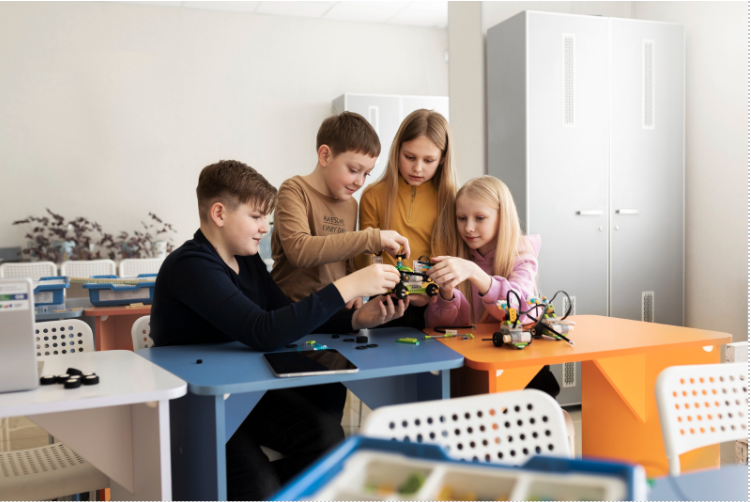
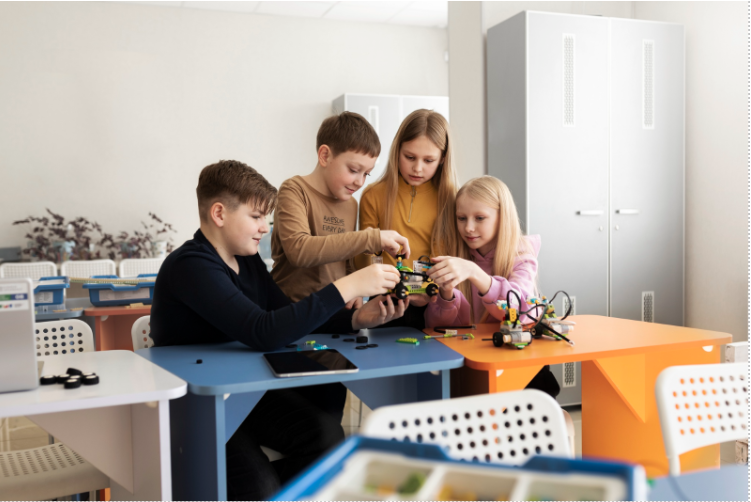
Educational institutions throughout India have made considerable investments in learning settings centered on innovation that facilitate coding, robotics, engineering design, artificial intelligence, and practical scientific investigation. These programs seek to equip students for upcoming professions while enhancing their problem-solving and analytical abilities.
Experts emphasize that effective modernization relies not just on adopting technology but also on transparent governance, strong oversight, and trust from stakeholders. Whether launching digital assessment platforms or enhancing CBSE STEM lab installations, organizations must guarantee that systems function consistently and equitably.
Student Participation Shapes Educational Accountability
The debate has underscored the increasing involvement of students in educational discussions. Social media platforms, digital communication tools, and public forums have allowed students to engage more actively in conversations regarding educational policies, assessments, and institutional practices.
Numerous observers think this trend indicates a wider movement toward heightened civic participation among youth. Students are progressively utilizing research, data evaluation, and public outreach to highlight concerns impacting their educational journeys.
Educational leaders observe that effective student involvement can enhance institutional development when issues are raised thoughtfully and backed by proof. Simultaneously, they highlight the significance of upholding respectful communication and depending on verified facts.
CBSE STEM Lab Setup Encourages Research and Critical Thinking
The abilities shown by students involved in public policy dialogues often reflect the skills encouraged by contemporary educational programs. An effectively structured CBSE STEM lab promotes exploration, examination, data analysis, and reasoning based on evidence
Learners participating in STEM educational settings cultivate the skills to assess intricate problems, critically appraise information, and convey results proficiently. These abilities are becoming more important not just in scientific and technological areas but also in community engagement and addressing public challenges.
With the growth of STEM programs in schools, teachers anticipate that students will use these skills wisely in both academic and practical settings.
Balancing Innovation, Transparency, and Public Confidence
The OSM debate continues to spark conversation regarding the future of assessment management in India. Although digital transformation presents chances to enhance efficiency and scalability, specialists emphasize that innovation should be paired with robust accountability systems and clear decision-making procedures
Government assessments, administrative modifications, and ongoing inquiries associated with the OSM implementation highlight the necessity of sustaining public confidence during the execution of extensive educational reforms. The insights gained from the controversy could impact future strategies for examination management, technology acquisition, and institutional regulation.
Simultaneously, the episode highlights the increasing impact of students as important contributors within the education system. Their worries, experiences, and viewpoints progressively influence discussions regarding policy efficacy and educational standards.
CBSE STEM Lab Setup and the Future of Student-Centered Education
With India's ongoing investment in preparing learning environments for the future, initiatives like the CBSE STEM lab setup programs are projected to be pivotal in fostering innovation, creativity, and critical thinking skills in students.
The larger issue for educational institutions will be making sure that technological progress is accompanied by transparency, accountability, and involvement from stakeholders. When students, educators, administrators, and policymakers collaborate, educational reforms can more effectively address the needs of learners while sustaining trust in the systems meant to assist them.
With the evolution of STEM education in India and around the world, opportunities for career-oriented learning are anticipated to increasingly prepare students for new industries and technological progress.
The ongoing discussion about the OSM controversy highlights that effective education governance necessitates not just innovation but also trust, transparency, and ongoing enhancement.