
Nations Worldwide Prioritize STEM Skills For Future Economies
Countries across the world are rapidly expanding STEM education initiatives as governments and education leaders recognize the growing importance of science, technology, engineering, and mathematics skills in future economies. In 2026, nations are increasing investments in modern learning programs designed to prepare students for careers shaped by artificial intelligence, automation, robotics, cybersecurity, renewable energy, and advanced technologies.
STEM Skills Strongly Power Future Global Economies

Education experts say the demand for highly skilled STEM professionals is rising faster than ever as industries continue transforming through digital innovation. In response, many governments are redesigning education systems to focus more on practical learning, critical thinking, coding, problem-solving, and research-based education rather than traditional memorization methods.
Several countries have recently introduced new national STEM strategies aimed at strengthening workforce readiness. Across Europe, governments are implementing updated science and mathematics programs while investing in teacher training, digital classrooms, and technology-focused curriculum reforms. Officials say these initiatives are essential to maintaining competitiveness in the global economy.
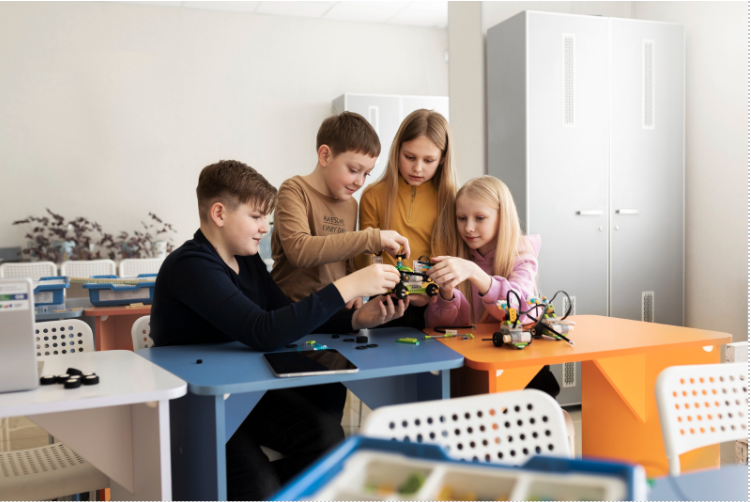
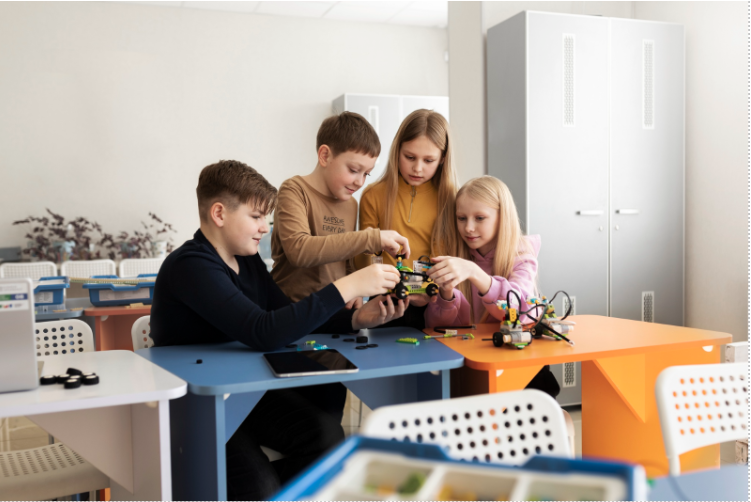
Asian countries including Singapore, South Korea, India, and China are also expanding STEM-focused programs through robotics labs, coding competitions, innovation centers, and research opportunities for students. Many schools are introducing artificial intelligence and data science concepts at earlier stages of education to help students adapt to future technology-driven industries.
In Australia and North America, governments and universities are building stronger partnerships with industries to connect classroom learning with real-world workforce demands. STEM sponsorship programs, innovation challenges, and internship opportunities are becoming increasingly common as education systems work to close skill gaps in engineering, aviation, healthcare technology, and digital infrastructure.
Artificial intelligence is emerging as one of the biggest influences on global STEM education. Schools and universities are increasingly adopting AI-powered learning tools, virtual simulations, and immersive technologies to improve classroom engagement and personalized learning experiences. Experts believe AI literacy will become a core skill for future generations.
International organizations such as UNESCO are also encouraging countries to make STEM education more inclusive and accessible. Global initiatives are focusing on increasing participation among girls, rural students, and underrepresented communities to ensure broader access to future career opportunities in science and technology fields.
Education analysts believe these large-scale investments reflect a major global shift toward future-focused learning and economic preparedness. As industries continue evolving through technological advancement, countries worldwide are viewing STEM education as a critical foundation for innovation, productivity, and long-term national growth.
The growing emphasis on STEM skills highlights how nations are preparing younger generations not only for future jobs, but also for leadership in an increasingly technology-driven global economy.