
Scratch vs Python: Which Is Best for Kids to Learn?
In today’s digital world, teaching kids how to code is becoming just as important as teaching them math or science. But when parents and educators start exploring programming options, one question always comes up: Scratch vs Python — which is best for kids to learn?
Both are powerful in their own ways. Both are beginner-friendly. And both can open doors to creativity, problem-solving, and future tech careers. The right choice depends on the child’s age, interests, and learning style.
Let’s explore this step by step.
What Is Scratch?
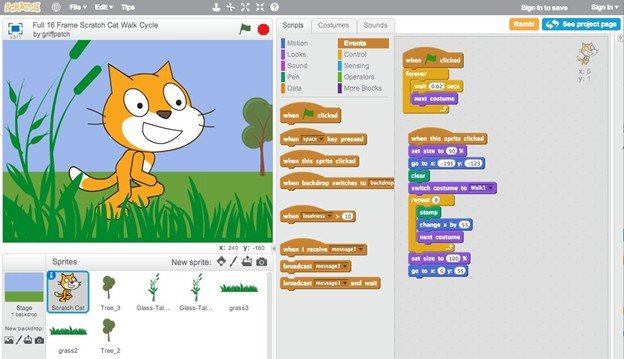
Scratch is a block-based programming language developed by MIT Media Lab. It is specially designed for children, typically ages 6–14.
Instead of typing complex code, kids drag and drop colourful blocks that represent commands. These blocks snap together like puzzle pieces. This removes the stress of remembering syntax or worrying about typing mistakes.
With Scratch, children can:
- Create games
- Design animations
- Build interactive stories
- Make music projects
- Share creations with a global community
The visual nature of Scratch makes coding feel like playing with digital LEGO bricks.
Why Scratch Is a Great Option
Scratch is often considered the perfect starting point for young beginners. Here’s why:
1. No Syntax Errors
One of the biggest struggles for beginners in traditional programming is syntax errors — missing semicolons, incorrect brackets, and spelling mistakes. Scratch eliminates this problem.
Blocks only connect in logical ways, so children can focus on understanding concepts rather than fixing errors.
2. Builds Logical Thinking
Scratch teaches fundamental programming concepts like:
- Loops
- Conditionals (if-else)
- Variables
- Events
- Sequences
These are the same building blocks used in advanced languages like Python or Java. So while it feels simple, Scratch is actually building strong foundations.
3. Encourages Creativity
Scratch is not just about coding — it’s about storytelling and imagination. Kids can create:
- Platform games
- Cartoon animations
- Interactive quizzes
- Digital art projects
This creative freedom makes learning fun and engaging.
4. Strong Community Support
Scratch has a large online community where kids can share their projects, remix others’ work, and learn collaboratively. This social aspect boosts confidence and motivation.
Who Might Find Scratch Too Basic?
While Scratch is fantastic for beginners, it may feel limiting for some kids.
Children who:
- Already understand basic programming concepts
- Enjoy typing real code
- Want to build advanced apps or real-world programs
- Are 12+ and ready for deeper challenges
might outgrow Scratch quickly.
Scratch simplifies many technical aspects. For example, you don’t deal with data structures, file handling, or real-world software development practices. For older students who want more power and flexibility, Scratch can feel restrictive.
That’s where Python comes in.
What Is Python?
Python is a text-based programming language created by Guido van Rossum in 1991. Today, it is one of the most popular programming languages in the world.
It is widely used in:
- Web development
- Artificial Intelligence
- Data Science
- Game development
- Automation
- Cybersecurity
Unlike Scratch, Python requires typing actual code. But the good news? Python’s syntax is simple and readable, making it beginner-friendly compared to many other languages.
For example:
print(“Hello, world!”)
That’s real programming — and it’s surprisingly easy to understand.
Benefits of Python for Kids
Python offers many advantages, especially for older kids and teenagers.
1. Real-World Application
Python is not just for learning — it’s used by major companies like:
- Netflix
This makes learning Python feel meaningful. Kids aren’t just playing — they’re building skills used in real careers.
2. Smooth Transition to Advanced Programming
Python introduces:
- Functions
- Classes and objects
- File handling
- Libraries and frameworks
- Problem-solving with algorithms
It prepares students for computer science courses and technical careers.
3. Great for Logical and Analytical Thinking
Python encourages structured thinking. Kids learn:
- How to break down problems
- How to debug errors
- How to write reusable code
- How to think computationally
These skills are valuable beyond coding — they improve overall academic performance.
4. Tons of Learning Resources
Because Python is so popular, there are countless tutorials, courses, and communities available. Kids can move from simple programs to building real applications step by step.
Scratch vs Python: Key Differences
| Feature | Scratch | Python |
| Type | Block-based | Text-based |
| Best Age | 6–12 years | 10+ years |
| Syntax Errors | No | Yes (but manageable) |
| Creativity Level | Very high | High |
| Real-world Usage | Limited | Very high |
| Career Preparation | Basic foundation | Strong foundation |
Both have their place. The choice depends on the child’s readiness.
Why Scratch and Python Are More Than Just Coding
Learning Scratch or Python is not just about becoming a programmer.
It helps children develop:
1. Problem-Solving Skills
Kids learn to think step-by-step. They understand cause and effect. They test, fail, debug, and improve.
2. Creativity and Innovation
Coding is modern creativity. Instead of only consuming games and apps, children learn to create them.
3. Confidence and Independence
When a child builds their first working game or program, the confidence boost is powerful. They realize they can build technology — not just use it.
4. Future-Ready Skills
The future belongs to creators, innovators, and problem-solvers. Coding builds computational thinking — a skill that applies to engineering, business, design, and research.
So, Which Is Best?
Here’s a simple guideline:
- Ages 6–9 → Start with Scratch
- Ages 10–12 → Scratch first, then transition to Python
- Ages 13+ → Python is usually the better starting point
The best approach is not choosing one over the other — but using both at the right time.
Scratch builds confidence.
Python builds depth.
Together, they create a strong foundation.
Final Thoughts
When comparing Scratch vs Python, remember: the goal is not just to teach kids to code — it’s to help them think, create, and solve problems.
Scratch makes coding fun and approachable.
Python makes coding powerful and practical.
Every child learns differently. Some love visuals and storytelling. Others enjoy typing real commands and building serious programs.
The real success lies in sparking curiosity. Because once a child becomes curious about technology, there’s no limit to what they can build.