
Best Programming Languages for Foundational Robotics Learning
Robotics is not just about assembling motors and wheels. It is about building systems that can sense their surroundings, make decisions, and perform actions. If you are starting your journey, learning foundational robotics properly will make advanced topics like automation, artificial intelligence, and industrial robotics much easier in the future.
Below is a deeper understanding of robotics concepts, programming choices, hardware structure, and how each beginner project strengthens your core knowledge.
Robotics is one of the most exciting fields in technology today. It combines creativity, engineering, and programming to build machines that can sense, think, and act. From small educational robots to advanced industrial machines, robotics is shaping the future. If you are just starting, understanding the basics and choosing the right programming language can make your learning journey smoother and more enjoyable.
What is Robotics
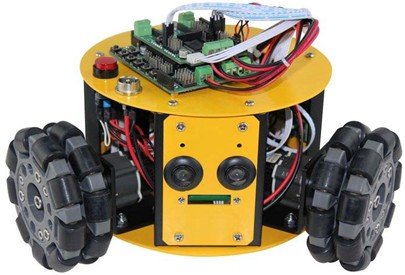
Robotics is the branch of technology that deals with designing, building, and programming robots. A robot is a machine that can perform tasks automatically or semi-automatically. These tasks may include moving, picking objects, detecting obstacles, following light, or responding to environmental changes.
Robotics is a mix of mechanical engineering, electronics, and computer programming. The mechanical part deals with wheels, motors, and body structure. Electronics includes sensors, microcontrollers, and circuits. Programming gives intelligence to the robot. Without programming, a robot is just a collection of metal and wires. Code tells it when to move, when to stop, and how to respond to its surroundings.
Foundation of Robotic
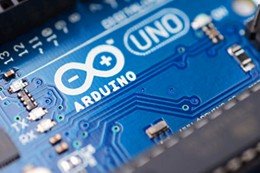
Before building complex robots, it is important to understand the foundation of robotic systems. The core elements include:
- Microcontroller or controller board
This acts as the brain of the robot. Popular examples include Arduino and Raspberry Pi. It reads data from sensors and sends signals to motors.
- Sensors
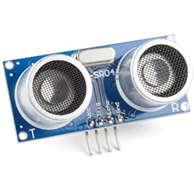
Sensors help the robot understand its environment. Common sensors include ultrasonic sensors for distance, IR sensors for obstacle detection, LDR sensors for light detection, and rain sensors for water detection.
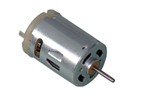
Motors allow the robot to move. These can be simple DC motors, servo motors, or stepper motors.
- Power supply
Robots need batteries or power adapters to operate.
- Programming
Programming connects everything. It defines how the robot reacts to input from sensors and controls its movements.
Best Programming Languages for Foundational Robotics Learning
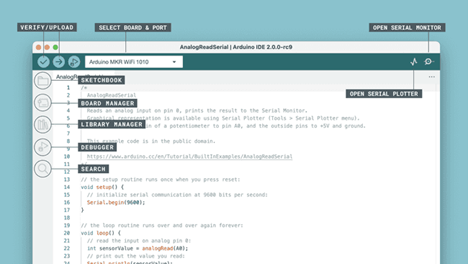
When starting robotics, choosing the right programming language depends on your platform and goals. Here are some beginner-friendly options:
C and C++
These are widely used in robotics, especially with microcontrollers like Arduino. They are fast and efficient. Many robotics libraries are written in C or C++. If you want strong control over hardware, these languages are excellent choices.
Python
Python is simple and easy to read. It is great for beginners. Platforms like Raspberry Pi support Python well. Python is also popular in robotics research and artificial intelligence. If you want to combine robotics with machine learning in the future, Python is a strong foundation.
Scratch and block-based languages
For school students and beginners, block-based programming tools help in understanding logic without worrying about syntax. These are useful in the early stages before moving to text-based languages.
Java
Java is less common for hardware-level robotics, but it is useful in simulation and higher-level applications.
For foundational robotics learning, C/C++ and Python are usually the best starting points.
Four-Wheel Robot
A four-wheel robot is one of the most common beginner projects. It typically has four DC motors attached to wheels and a motor driver to control them. The robot can move forward, backwards, left, and right.
This project helps learners understand motor control, basic movement logic, and power management. Programming involves sending signals to the motor driver to rotate wheels in specific directions.
You can enhance a four-wheel robot by adding sensors for line following or remote control using Bluetooth.
Six-Wheel Robot
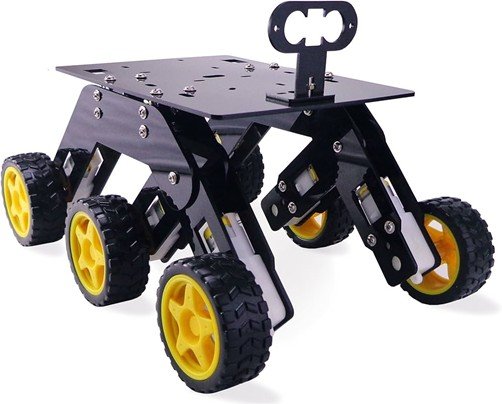
A six-wheel robot is similar to a four-wheel robot but offers better stability and traction. It is often used for rough terrains and outdoor robotics projects.
The programming logic remains similar, but you may need to manage more motors. Some six-wheel robots use paired motors on each side to simplify control.
This type of robot introduces learners to advanced movement concepts like differential steering and load balancing. It also helps in understanding mechanical design challenges.
Obstacle-Avoiding Robot
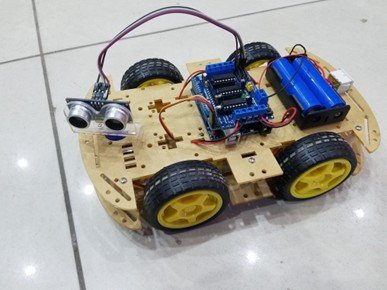
An obstacle-avoiding robot is one of the most popular beginner robotics projects. It uses sensors such as ultrasonic or IR sensors to detect obstacles in front of it.
When the sensor detects an object within a certain distance, the robot changes direction to avoid a collision. The logic is simple:
If obstacle detected
Stop
Turn left or right
Move forward again
This project teaches conditional statements, sensor reading, and decision-making logic in programming. It also shows how robots can interact intelligently with their environment.
Light Chasing Robot
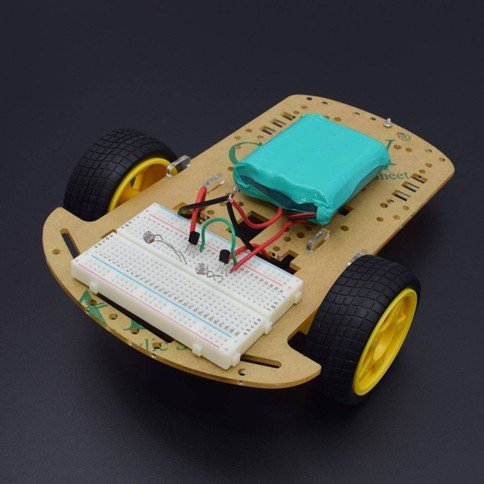
A light-chasing robot moves toward a light source. It uses LDR sensors to measure light intensity.
If the light intensity is stronger on the left sensor, the robot turns left. If it is stronger on the right, it turns right. If both sensors detect equal light, it moves forward.
This project is great for learning about analogue sensor readings and comparison logic. It demonstrates how robots can respond to environmental signals.
Cockroach Robot (Using IR & LDR Sensors)
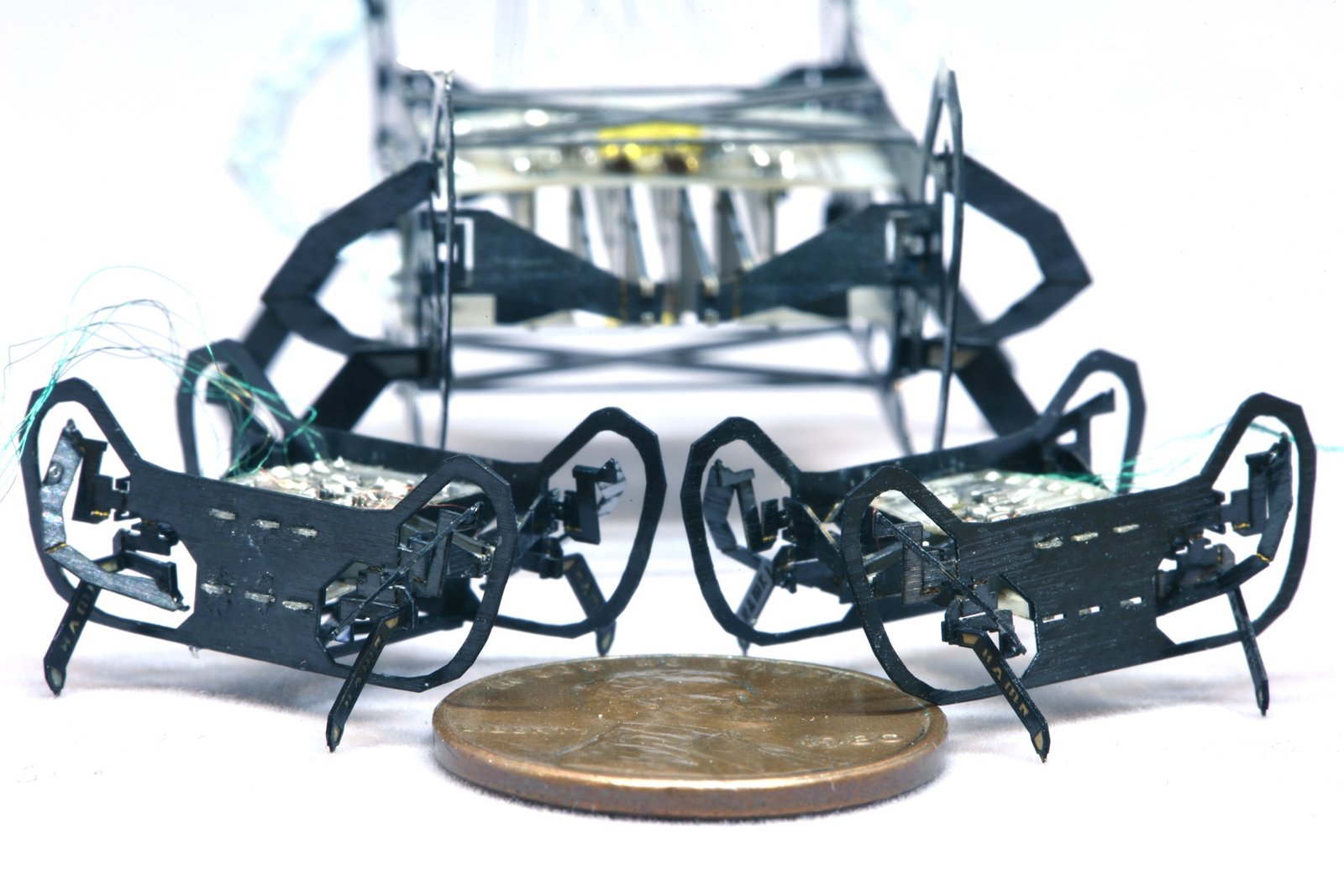
A cockroach robot is inspired by the movement of real cockroaches. It reacts quickly to light and obstacles. Typically, it uses IR sensors to detect objects and LDR sensors to detect light.
For example, the robot may avoid light and move toward darker areas, similar to how cockroaches behave. When it detects an obstacle, it changes direction suddenly.
This project combines multiple sensors and introduces more complex decision-making. It helps learners understand how biological behavior can inspire robotic design.
Rain Detecting Robot
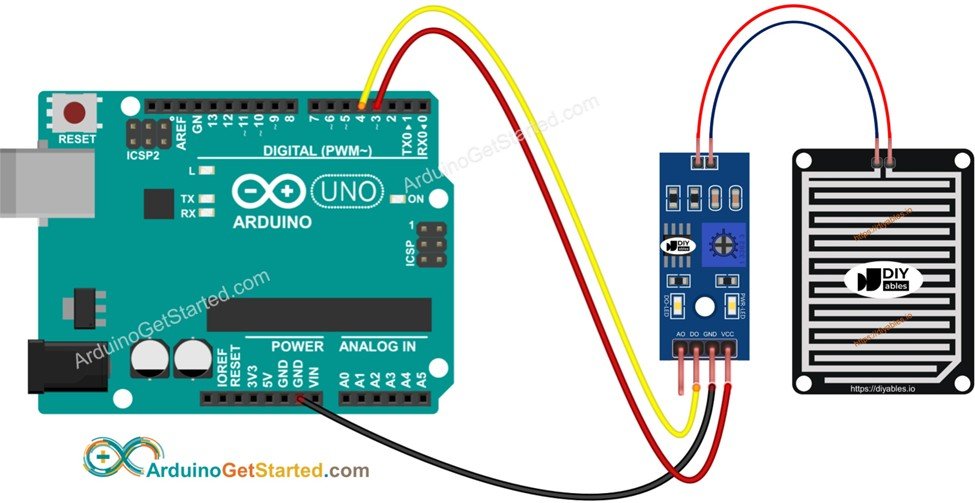
A rain-detecting robot uses a rain sensor to detect water droplets. When rain is detected, the robot can perform actions such as moving to a sheltered area or sending a signal.
This type of project is useful for learning about environmental sensing. It also introduces real-world applications such as automated farming systems and weather monitoring robots.
Programming involves reading digital or analogue signals from the rain sensor and triggering actions based on those readings.
Why Foundational Projects Matter
Many beginners want to jump directly into advanced robotics or artificial intelligence. However, foundational projects like four-wheel robots, obstacle-avoiding robots, and light-chasing robots are essential.
These projects help you:
Understand basic electronics
Learn sensor integration
Practice motor control
Develop logical thinking
Build confidence
Each small project adds a layer of understanding. Over time, these layers build strong robotics knowledge.
Conclusion
Robotics is a powerful and creative field that combines programming, electronics, and mechanical design. Understanding what robotics is and learning the foundation of robotic systems will prepare you for more advanced innovations.
Starting with projects like four-wheel robots, six-wheel robots, obstacle-avoiding robots, light chasing robots, cockroach robots using IR and LDR sensors, and rain detecting robots gives you hands-on experience. These projects teach you how robots sense, think, and act.
Choosing the right programming language, such as C/C++ or Python, makes foundational robotics learning easier and more effective. With patience, practice, and curiosity, you can turn simple robotic ideas into intelligent machines that solve real-world problems.
Learn more about: Best ScratchJr Online Coding