
BMW Powers STEM Magic in 4 Indian States’ Classrooms
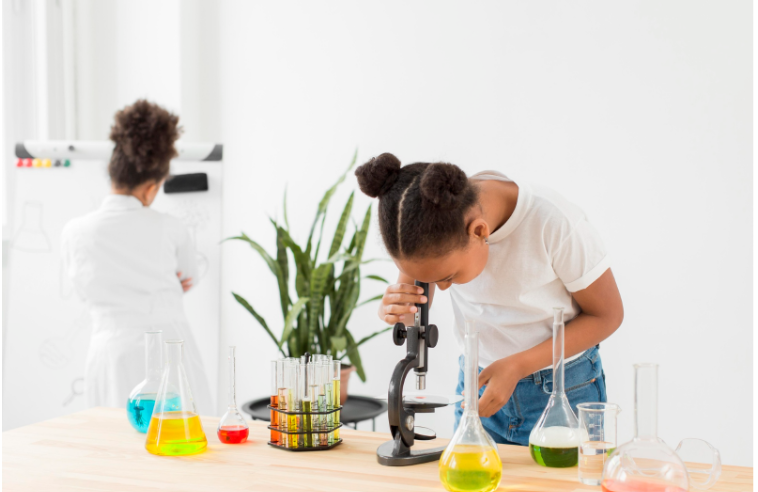
In the dusty classrooms of rural Jharkhand, a group of wide-eyed girls huddles around a buzzing maker space, soldering circuits and launching mini-rockets made from recycled bottles. No, this isn’t a sci-fi scene; it’s the new reality, thanks to BMW Group India’s powerhouse partnership with UNICEF. Today, as India races toward its 2030 innovation goals under NEP 2020, this initiative is lighting up STEM dreams in four underserved states: Jharkhand, West Bengal, Assam, and Tamil Nadu.
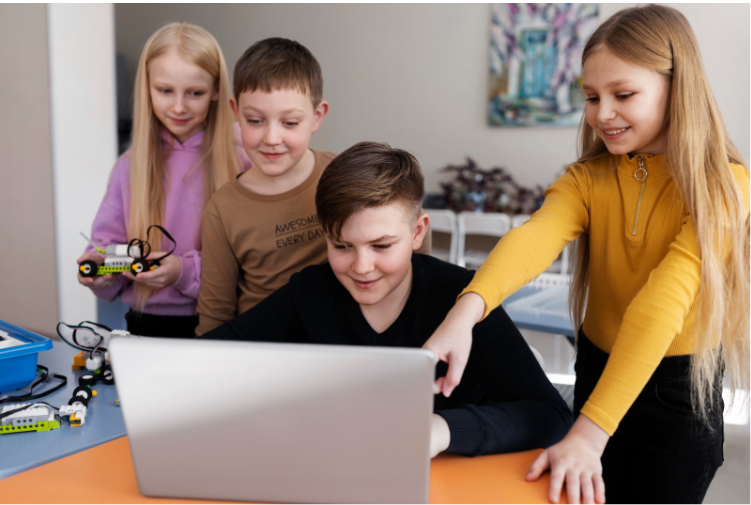
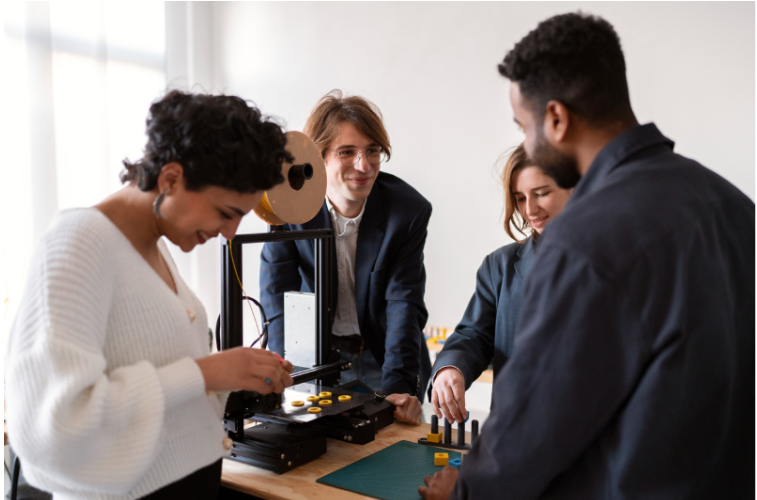
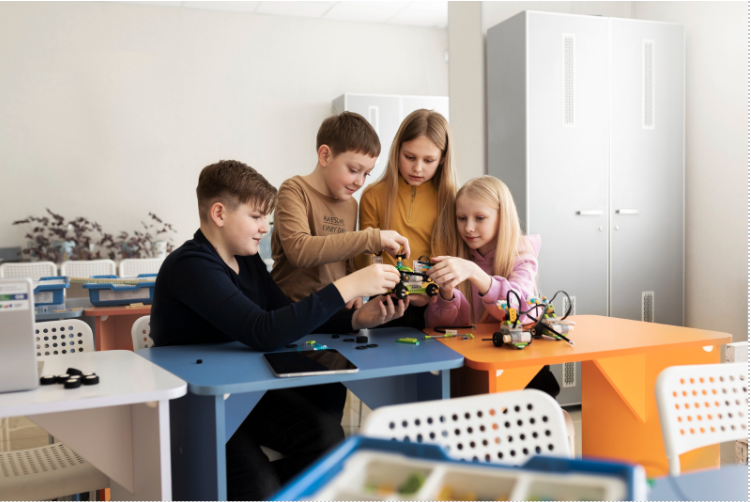
Launched with fanfare in late 2025, the “Bridging the Way to Progress” program has already transformed over 50 schools, equipping them with state-of-the-art STEM labs, robotics kits, and hands-on experiment stations. But it’s not just about gadgets, it’s about empowerment. In Assam alone, 7,000 students have dived into interactive sessions on motion, fractions, and environmental science, using low-cost tools like Arduino boards and 3D printers. Jharkhand’s KGBVs (Kasturba Gandhi Balika Vidyalayas), girls-only residential schools, got 11 dedicated labs, complete with advanced soldering kits and coding corners. West Bengal and Tamil Nadu followed suit, with 20+ labs each, reaching thousands more.
What makes this magic? BMW isn’t just donating; they’re training. Over 200 teachers have been upskilled in Delhi workshops, learning to weave STEM into daily curricula. “These labs turn passive learning into adventure,” says UNICEF India Education Specialist Priya Sharma. “Kids who never touched tech are now building solar-powered fans amid biting winters.” Early data? 40% jump in girls’ participation, aligning with Atal Innovation Mission’s (AIM) push for 50,000 tinkering labs nationwide.
This comes at a pivotal time. With CBSE mandating Skill Labs and Kerala’s 4.5 lakh-student robotics blitz, BMW-UNICEF bridges the urban-rural chasm. Hyderabad’s MakersMuse educators cheer: “It’s ATL on steroids, real-world IoT projects await!” Imagine: Students prototyping flood sensors for Assam monsoons or air purifiers for Delhi smog.
But challenges linger. Cold waves shuttered Delhi-NCR schools till Jan 15, delaying rollouts. Funding gaps persist in remote areas. Yet, BMW’s commitment—₹5 crore seed plus CSR scaling signals big bets. “STEM is India’s future workforce,” declares BMW India Head Rudratej Singh. “We’re igniting curiosity where it counts.”
Stories pour in. In Tamil Nadu’s coastal school, fisher-kids engineered wave-energy models, tied to SDG 7. West Bengal teens coded traffic bots, easing Kolkata chaos. A Jharkhand girl, Riya (12), beams: “I want to be an astronaut now!” Her lab’s rocket launch? A viral TikTok hit, 50K views.
Globally, it echoes the UAE’s RoboCup dances and Europe’s robot mandates, but India’s scale is unmatched. For MakersMuse followers, this screams opportunity: Replicate at home with ₹500 kits. Share your “BMW-inspired” builds!
As 2026 unfolds, expect expansions of robotics Olympiads via WSRO. BMW-UNICEF isn’t just building labs; they’re forging India’s next Elon Musk. In a nation of 1.4 billion, where 50% youth crave STEM but lack tools, this is revolutionary.
Will your school be next? Stay tuned—MakersMuse tracks every spark.