
From Viral “Robot Teachers” to Real AI Classrooms: How Students Are Reimagining the Role of a Teacher
A few months ago, a video went viral across India: a 17‑year‑old student from a small town had built a “robot teacher” using a mannequin, a speaker, and an AI voice assistant, so that his classmates could keep learning even when teachers were absent. The project wasn’t about replacing teachers; it was about solving a real classroom problem with technology. Today, that same spirit is driving a quiet revolution in schools — from DIY robot teachers to real AI‑powered classrooms where students are not just users of tech, but its designers.
The Rise of the “Student Engineer”
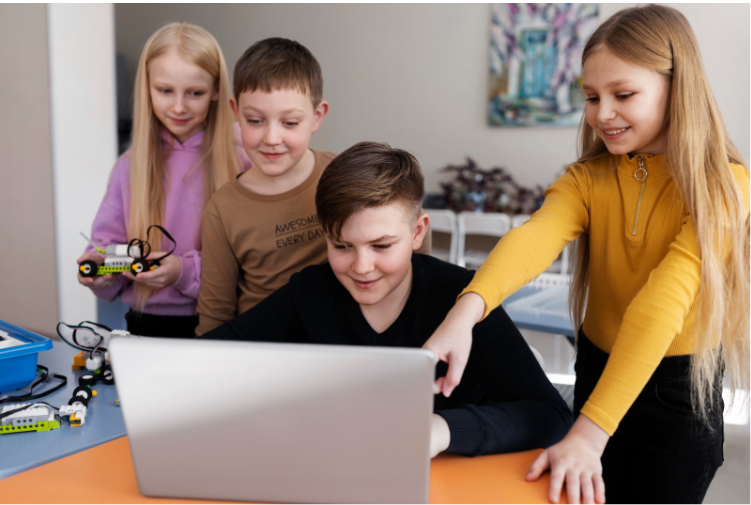
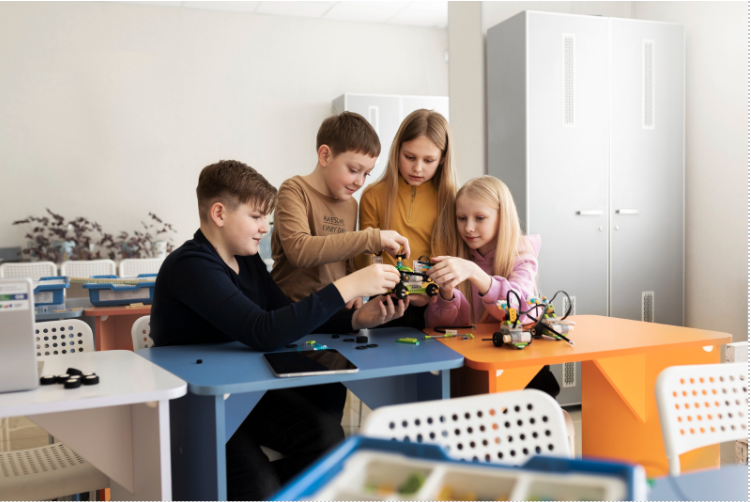
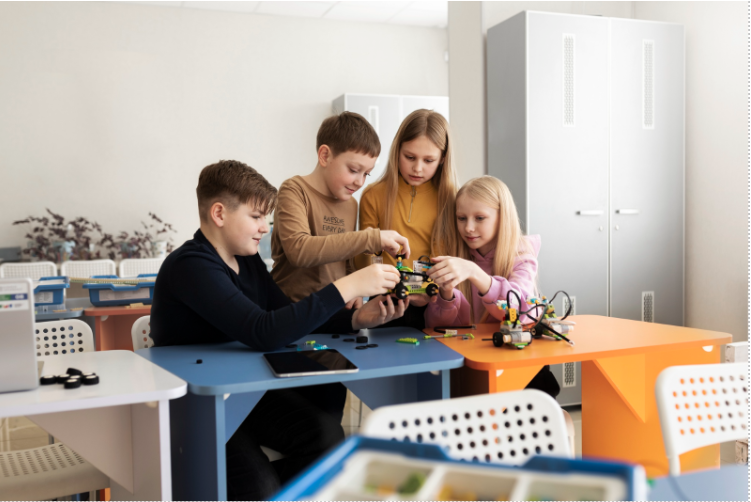
Across India, students are no longer waiting for fancy labs or expensive kits to experiment with AI and robotics. In UP, a Class 12 student built a low‑cost “robot teacher” that can deliver recorded lessons and answer basic questions, helping his school manage teacher shortages. In other states, school teams are using simple microcontrollers, sensors, and voice assistants to create smart classrooms where lights, fans, and even attendance are automated.
These projects are going viral not because they are perfect, but because they show a shift in mindset: students are starting to see technology as a tool to fix gaps in their own education, not just as something to consume. They’re asking questions like: “Can AI help me revise for exams?” “Can a robot help my teacher manage 50 students?” “Can we build a system that makes learning more personal?”
From Viral Gimmick to Real AI Classrooms
While a “robot teacher” makes for a great headline, the real story is how schools are now moving from one‑off projects to structured AI classrooms. Under the National Education Policy 2020, India is rolling out an AI and Computational Thinking curriculum from Class 3 onwards, starting in the 2026–27 academic year. CBSE and NCERT are working with IIT Madras to design age‑appropriate content, teacher training, and digital resources so that AI becomes a normal part of school life, not just an extra subject.
In practice, this means:
- In Classes 3–5: simple, interactive activities to introduce what AI is and how it works in daily life (like voice assistants, recommendations, and smart devices).
- In middle school: real‑world projects on AI for public good, such as smart agriculture, waste management, and health.
- In Classes 9–12: AI as a formal subject, with hands‑on work on machine learning, ethics, and innovation.
How AI Is Changing the Teacher’s Role
The big question everyone asks is: Will AI replace teachers? The answer from classrooms that have already started using AI is clear — no, but it is changing what teachers do.
In AI‑enabled classrooms, teachers are becoming:
- Curators and guides, not just lecturers, help students choose the right tools and projects.
- Mentors for ethics and critical thinking, discussing when AI helps and when it can mislead.
- Co‑learners often learning alongside students as they explore new platforms and tools.
Meanwhile, AI handles repetitive tasks like basic explanations, quizzes, and feedback, freeing up teachers to focus on deeper discussions, emotional support, and personalised guidance.
What This Means for Schools and Parents
For schools, the message is simple: the future belongs to schools that treat students as makers, not just test‑takers. Setting up an Atal Tinkering Lab, running robotics clubs, and encouraging simple AI projects (like chatbots for school info or smart attendance systems) can give students a real edge.
For parents, it’s a sign that the education system is finally catching up with the real world. Instead of fearing AI, the focus is on building responsible, creative users who understand how technology works and how to use it for good.
The Big Picture: Students as the Real Innovators
The viral “robot teacher” wasn’t just a fun project; it was a glimpse of what’s possible when students are given the freedom to solve real problems. As AI moves from pilot projects to every classroom, the most powerful change won’t come from boards or policies — it will come from students who keep asking, “Can I build this?” and then go ahead and do it.