
summer research programs for undergraduates: A Complete Guide for Students
What a SURF Program Really Is, and How to Prepare for One
A summer research programs for high school students, widely known as SURF, is a structured research programme that lets undergraduate students work closely with faculty mentors on real, ongoing research projects over the summer. Instead of sitting in a classroom, students spend eight to ten weeks in a lab, at a research desk, or in the field, contributing to work that matters.
Programs like this exist at some of the most respected institutions in the world, including a Stanford University USA initiative and the Caltech SURF program. Both are built on the same idea: give curious, capable students real research experience before they graduate, so they can decide with confidence whether research is the path they want to pursue.
For students in India and elsewhere who are exploring these opportunities, understanding how a summer undergraduate research fellowship actually works, and how to build a profile strong enough to be competitive for one, is the first real step.

Why a Stanford University Research Fellowship Model Works?
Programs modeled on a Stanford University research fellowship follow a fairly consistent shape, even when the host institution changes. Students are matched with a faculty mentor, assigned to an active research group, and given a defined project scope for the summer. They are not observers. They collect data, run experiments, write code, analyze results, and often present their findings at the end of the programme.
This model works because it mirrors how research is actually done at the graduate level. Students learn the rhythm of a real lab: forming a question, testing it, hitting dead ends, adjusting the approach, and documenting what they find. That experience is difficult to replicate in a regular classroom, which is exactly why fellowships like this carry so much weight on a university stanford or scholarship application.
How a Summer Undergraduate Research Fellowship Works? : Step by Step
Most SURF-style programs, whether based at a US university stanford or run through an independent mentorship organisation, follow a similar sequence. Here is what students can generally expect.
- Application and eligibility check. Students submit transcripts, a statement of interest, and sometimes letters of recommendation. Eligibility usually depends on year of study, GPA, and relevant coursework.
- Faculty or mentor matching. Applicants are matched with a mentor whose research area fits their interests. Some programs let students propose their own project; others assign one from an existing list.
- Project scoping. The mentor and student agree on a realistic project for the summer window, usually eight to ten weeks, with clear milestones.
- Active research phase. This is the core of the fellowship. Students run experiments, review literature, collect and analyze data, and meet regularly with their mentor.
- Mid-programme check-ins. Many programs schedule progress reviews so students can course-correct before the final weeks.
- Final presentation or paper. Students typically present their findings at a symposium, poster session, or through a written report, sometimes aiming for future publication.
- Portfolio building. The completed project becomes a concrete, evidence-backed addition to a student’s academic portfolio for future applications.

What Makes Students Competitive for Programs Like This?
Selection committees for a summer undergraduate research fellowship are not just looking at grades. They want evidence that a student can think independently and handle open-ended problems. That evidence usually comes from:
AI And Machine Learning
Students can investigate how AI solves real-world problems, improves systems, or changes the way people learn and work. This domain is a strong fit for students who enjoy technology, coding, and future-focused innovation.
Robotics And Engineering
Robotics research helps students connect theory with practical application. It is ideal for learners who like building systems, testing ideas, and improving technical solutions.
Physics And Space Science
Students can explore motion, energy, astronomy, and other scientific questions through guided research. These topics help build analytical thinking and a stronger scientific mindset.
Economics And Social Science
YSRP also supports interdisciplinary work beyond STEM. Students can study human behavior, education, markets, and social patterns, which is especially useful for learners interested in policy, society, and systems.
Students Competitive for Programs Like
- A clear, well-articulated research interest, not a vague statement about “loving science.”
- Prior exposure to research methodology, even at a smaller scale.
- Strong letters of recommendation from someone who has actually supervised the student’s work.
- Demonstrated writing ability, since most programs expect a final report or paper.
- Basic technical or analytical skills relevant to the chosen field.
This is where many students, especially those applying from outside the US, run into a gap. They may have strong grades but little hands-on research exposure. That gap is exactly what early mentorship programs are designed to close
Stanford, Caltech, and What Their Programs Signal to Students
Institutions such as Stanford University USA and Caltech have run undergraduate summer research programs for decades, and their structure has become something of an industry standard. A student researching stanford university usa programs will typically find that fellowships are organized around specific schools or departments, matched to faculty labs, and highly selective.
Caltech’s SURF program, one of the oldest of its kind, pairs students with a Caltech researcher or, in some cases, a mentor at NASA’s Jet Propulsion Laboratory, and runs for roughly ten weeks culminating in a research symposium.
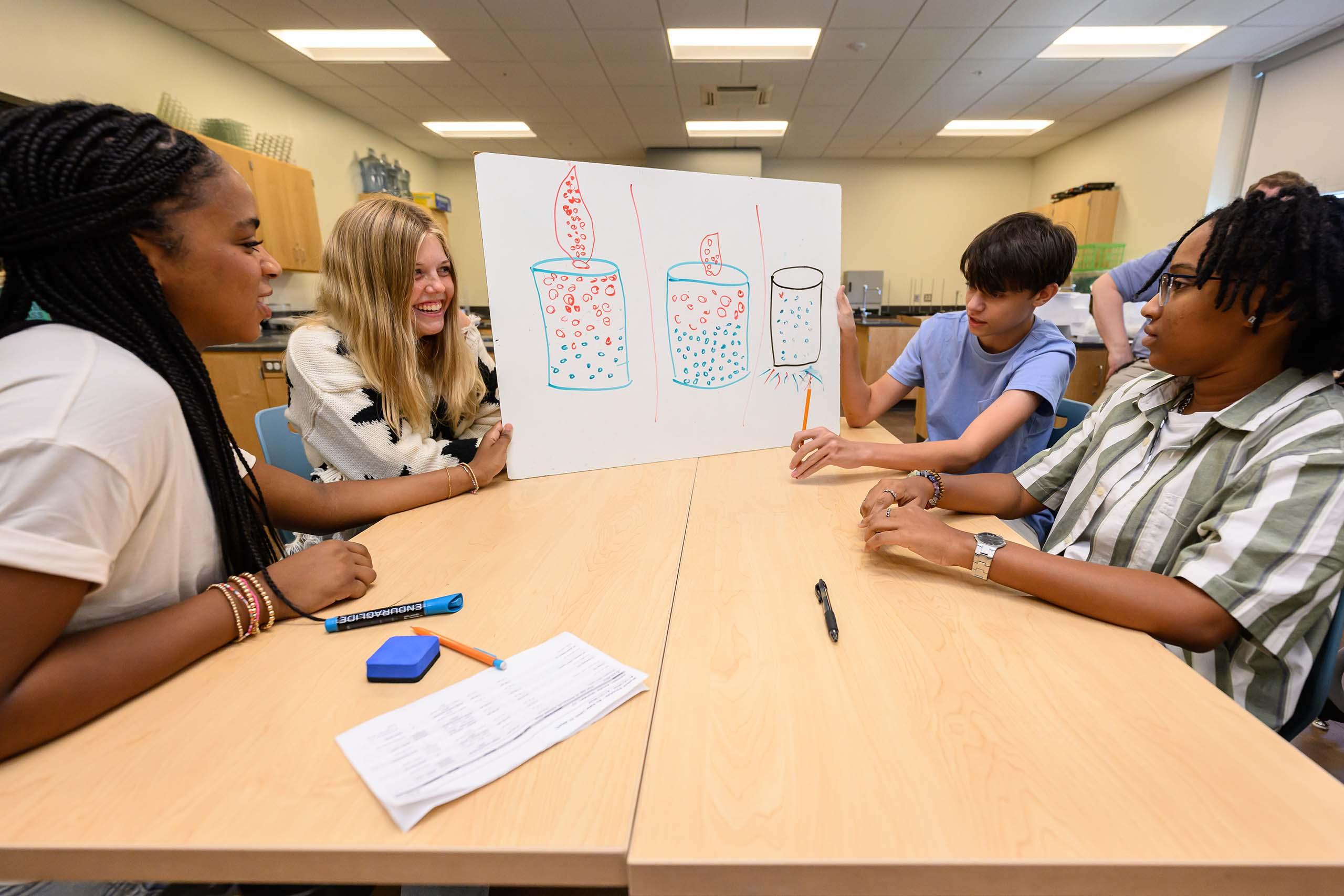
The common thread across these programs is this: they reward students who already know how to approach a research question, not just students who are academically strong on paper. That is why students aiming for opportunities like these often start building foundational research skills years before they apply, through smaller mentored projects, research competitions, or structured programmes at the high school or early undergraduate level.
Where a Student Research Competition Fits Into the Picture ?
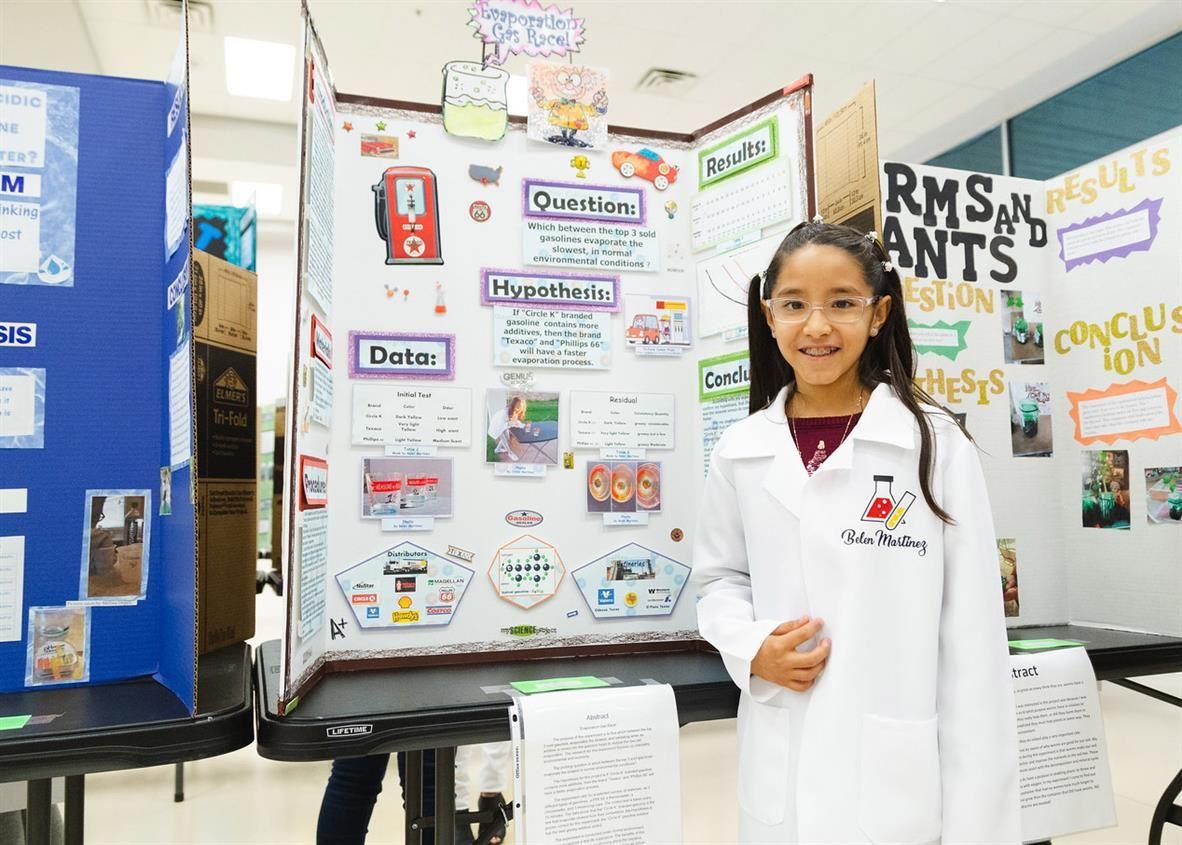
A student research competition is often the first real test of whether a student can turn curiosity into a defensible piece of work. Competitions ask students to form a hypothesis, gather evidence, and defend their conclusions in front of judges, which is a smaller version of exactly what a SURF-style fellowship expects.
Participating in a student research competition before applying to a summer fellowship gives students three practical advantages:
- A working understanding of the research process, from question to conclusion.
- A completed project they can reference in applications and interviews.
- Direct feedback from judges or mentors that sharpens their next attempt.
Students who compete, even if they do not win, generally arrive at fellowship applications with a clearer sense of what research actually involves.
Building the Research Foundation Before You Apply
Not every student has access to a Stanford lab or a Caltech mentor before university. That is normal, and it is not a disadvantage if the groundwork is laid early. Here is a practical path students can follow:
- Start with a real question, not a broad topic. “Climate change” is a topic. “How does urban tree cover affect local temperature in a specific city” is a question that can actually be researched.
- Learn the basics of methodology. Understanding literature review, data collection, and analysis before applying to a formal fellowship makes the transition much smoother.
- Work with a mentor early. A researcher, teacher, or structured mentorship programme can help a student avoid the most common early mistakes, like designing an unfeasible project or misreading existing literature.
- Write, even before you have to. Research writing is a skill on its own. Students who practice it early are far more comfortable when a fellowship demands a final report.
- Aim for a tangible outcome. A paper, a competition entry, or a presentation gives a student something concrete to point to, rather than a vague claim of “research interest.”
This is precisely the gap that Makers’ Muse was built to close. Through mentor-led research programmes, students get one-on-one guidance from experienced researchers and industry professionals, working through the same core steps, forming a question, reviewing literature, designing a method, collecting evidence, and writing academically, that fellowships like SURF expect students to already understand.

How a Stanford University Fellowship Compares to Similar Research Programs?
Type your paragraph here
| Factor | Stanford-style University SURF | Caltech-style University SURF |
| Duration | 8 weeks | 10 weeks |
| Format | Assigned faculty lab placement | Student proposes project with mentor |
| Core deliverable | Research symposium presentation | Technical paper + oral presentation |
| Focus | Graduate school preparation + research | Grant-style, proposal-driven research |
| Eligibility | Non-host university undergraduates | Broad eligibility including Caltech and outside students |
Neither structure is objectively "better" — they simply suit different kinds of students. A proposal-driven model rewards students who already have a clear research question in mind, while an assigned-lab model works well for students who want structured guidance on what to study and how.