
Publish a High School Research Paper With Expert Mentorship
Become a Future Research Scholar Before College
The Young Scholars Research Programme (YSRP) by Makers’ Muse is a structured academic research mentorship programme for school students who want to move beyond classroom assignments and produce original, publishable research. It guides Grade 6–12 learners through the complete lifecycle of independent research, from choosing a topic to seeing their name in print in a peer-reviewed journal.
For students who are serious about academics, YSRP is especially valuable for students building a portfolio for university applications, scholarships, STEM competitions, and future research opportunities.

Why Student Research Matters More Than It Used To
College applications, especially for competitive universities, now look for evidence of independent thinking, not just grades. A well-written research paper, reviewed by a mentor and published in a recognised student journal, shows an admissions officer that a student can plan, question, and finish something on their own, a very different signal than a transcript full of A grades.
Indian students applying abroad, and increasingly those applying within India for top undergraduate seats, are compared against peers who already have research experience, Olympiad medals, or startup projects on their applications. A finished research paper is one of the few things a 16 or 17 year old can realistically produce that demonstrates depth rather than breadth.
Expert Mentorship From Idea to Submission
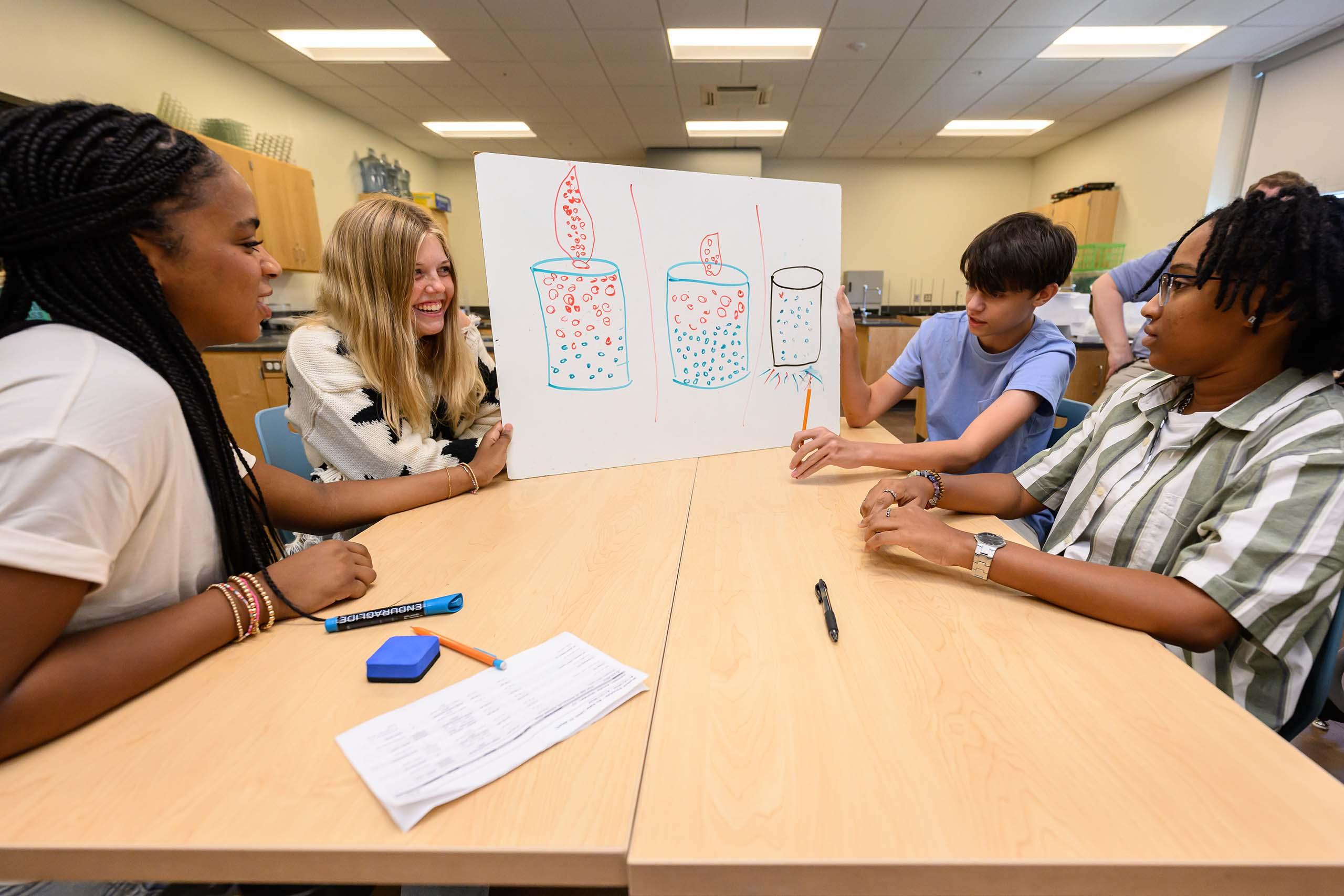
YSRP is built around one-on-one mentorship, so students are never left to figure out research alone. The programme connects each student with a subject-matter expert, often a graduate student, postdoc, or industry professional with real research or academic background in the chosen field, who reviews the student’s work regularly and keeps the process student-led rather than mentor-driven.
Students learn how to choose a topic, sharpen a research question, review existing work, design a method, gather evidence, and write to academic standards. This matters because high school students often have strong ideas but need structured guidance to turn those ideas into serious research.

A Step by Step Structured Path to Publication
Research can feel overwhelming at first, especially for a school student. YSRP breaks the journey into 8 clear stages so learners stay focused and confident from start to finish:
AI And Machine Learning
Students investigate how AI solves real-world problems, improves systems, or changes how people learn and work — a strong fit for students who enjoy technology, coding, and future-focused innovation.
Robotics And Engineering
Robotics research helps students connect theory with practical application, ideal for learners who like building systems, testing ideas, and improving technical solutions.
Physics And Space Science
Students can explore motion, energy, astronomy, and other scientific questions through guided research. These topics help build analytical thinking and a stronger scientific mindset.
Economics And Social Science
YSRP also supports interdisciplinary work beyond STEM. Students can study human behavior, education, markets, and social patterns, which is especially useful for learners interested in policy, society, and systems.
Research Skills Universities Notice
- Psychometric Discovery Form — The student completes a structured form to surface natural strengths, working style, and areas of curiosity to shape the research direction.
2. Exploration Call — A dedicated conversation with the team to understand the student’s interests in depth and walk through the YSRP framework end-to-end.
3. Enroll & Onboard — Enrollment is confirmed, with the option for families to speak directly with a Subject Matter Expert for complete clarity before starting.
4. SME Matching & Allocation — A domain-expert mentor is identified based on the student’s interest area and carefully matched.
5. Topic Selection & Idea Brainstorming — The student and mentor brainstorm the research idea together, stress-testing every concept against 3 pillars (Impact, Feasibility, and Innovativeness) to narrow it into a specific research question.
6. Research Execution — Literature review, methodology design, data collection, analysis, or prototype build, all conducted under mentor guidance with every session structured and logged.
7. Drafting, Review & Refinement — A full paper is written following academic structure (Abstract, Introduction, Methodology, Results, Discussion, Conclusion) and reviewed across multiple rounds for quality, originality, citations, and plagiarism.
8. Submission & Publication — The finished paper is guided through submission to credible, peer-reviewed journals appropriate to the student’s research domain and level.
This cycle typically runs from weeks to months, depending on the depth of the topic and the time a student can commit alongside scho
What a Strong Mentorship Programme Should Offer
Not every mentorship programme delivers the same value. A student or parent evaluating any research programme should ask directly about mentor qualifications, how many students each mentor supervises at once, and whether there is a real writing deliverable at the end.
A Portfolio That Opens Doors
| What to Check | Weak Programme | YSRP Standard |
| Mentor background | General tutor, no subject depth | Subject Matter Expert with real research background |
| Meeting structure | Occasional, unscheduled check-ins | Regular sessions with clear milestones |
| Feedback style | Generic comments | Detailed feedback on argument, evidence, methodology |
| Student ownership | Mentor drives the topic and conclusions | Student drives the question; mentor guides the process |
| End output | A certificate, no real deliverable | Student may get a complete paper with a real path to publication |
Research Skills Universities Notice
Universities and scholarship committees look for more than good grades. They want evidence that a student can think independently, work carefully, and contribute original ideas. Through YSRP, students develop:
- Critical thinking and problem-solving.
- Independent research methodology.
- Scientific writing and data analysis.
- Innovation and creativity.
- A stronger academic portfolio for admissions.
These aren’t just academic extras – they’re the qualities that make a student stand out in competitive applications.

Why High School Research Must Start Early
High school is the best time to begin research: students have the curiosity, energy, and flexibility to explore ideas deeply, and YSRP gives them a guided way to do that without feeling lost in the process.
Research is rarely a straight line. Most students hit at least one point where the original question needs to be adjusted because the data doesn’t cooperate – a normal, even valuable, part of the process. Students who get the most out of YSRP tend to read consistently rather than only at the start, treat mentor feedback as direction rather than criticism, keep a research log so ideas and sources don’t get lost, set their own smaller deadlines, and stay honest with their mentor when a hypothesis isn’t supported by the data.
A Portfolio That Opens Doors
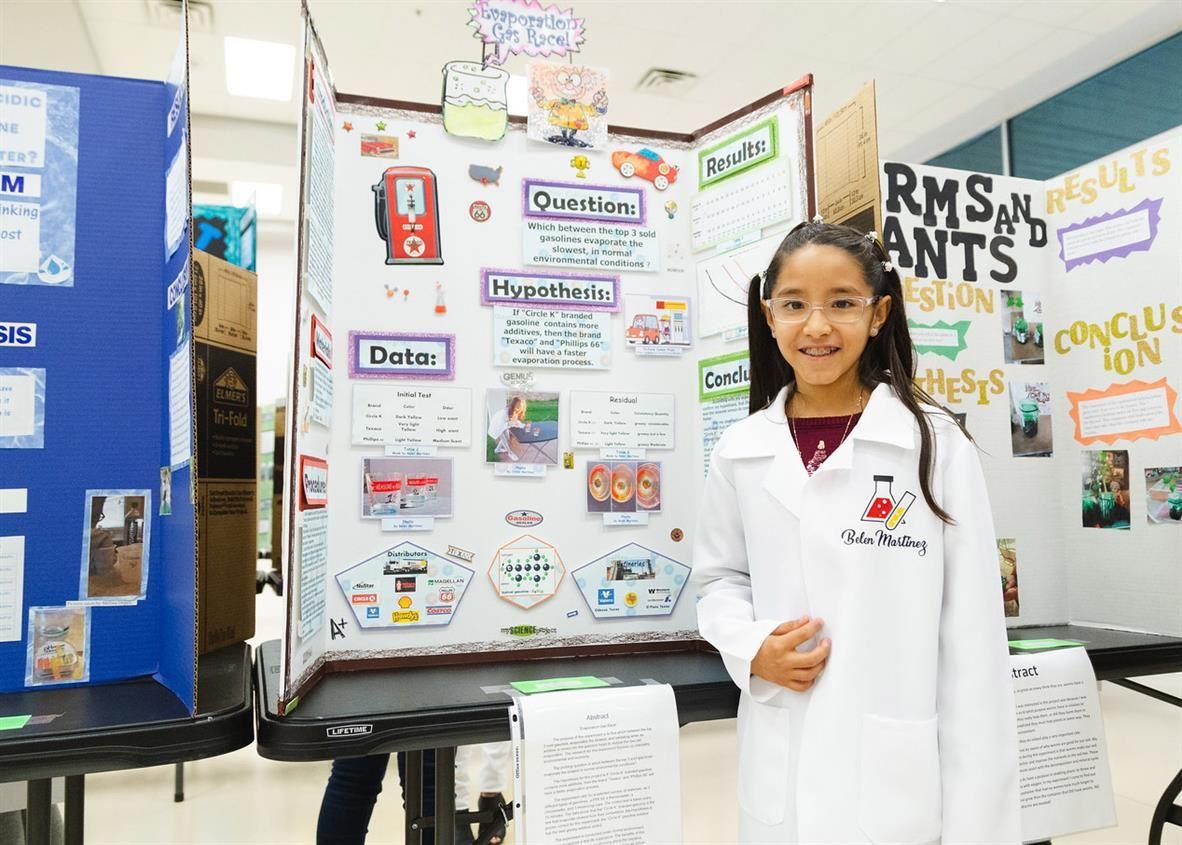
A published research paper can strengthen applications for international universities, STEM programmes, research internships, scholarships, innovation competitions, and college admissions. It signals initiative, originality, and real academic effort alongside grades and other activities.
YSRP helps students build a profile that shows:
- Original thinking.
- Research capability.
- Academic maturity.
- Commitment to long-term learning.
For students who want to become scientists, engineers, entrepreneurs, or future scholars, that kind of profile can be a serious advantage.
Why Families Choose YSRP
Families choose YSRP because it combines seriousness with support. The programme is flexible, mentor-led, and runs alongside school rather than instead of it, making it easier for students to stay engaged while balancing other responsibilities.
It also offers a clear outcome: publication-focused guidance from the first idea to the final submission. Students are working toward something tangible – not just another class, but a real academic milestone.