
Rising STEM Access Encourages More Girls to Choose Science in Classrooms
Karnataka is witnessing a notable rise in the number of girl students opting for science streams, highlighting the positive impact of improved access to STEM education across schools. Recent government data shows a steady year-on-year increase, with the number of girls encouraged to pursue science rising from 1,030 in 2023–24 to 1,278 in 2024–25, and further to 1,300 in 2025–26, reflecting sustained efforts to promote gender inclusion in education.
This upward trend is largely attributed to targeted initiatives aimed at bridging the gender gap in science and technology fields. Programs such as the government’s Vigyan Jyoti initiative have played a crucial role by providing hands-on exposure, mentorship opportunities, and interaction with women role models in STEM careers. These interventions are helping young girls build confidence and develop a stronger interest in science-related subjects.
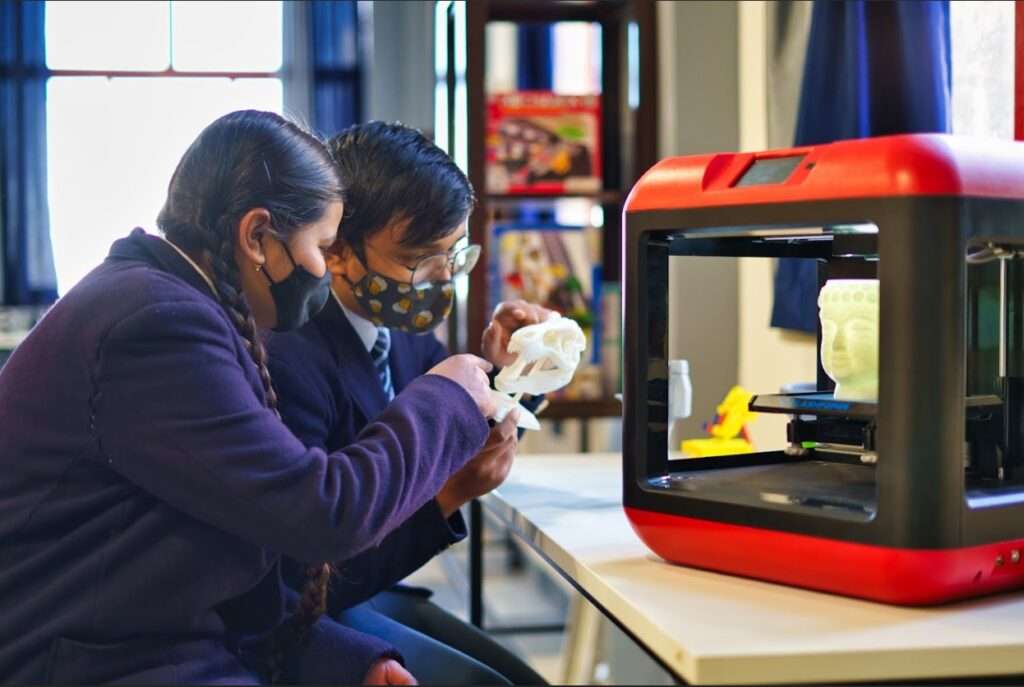
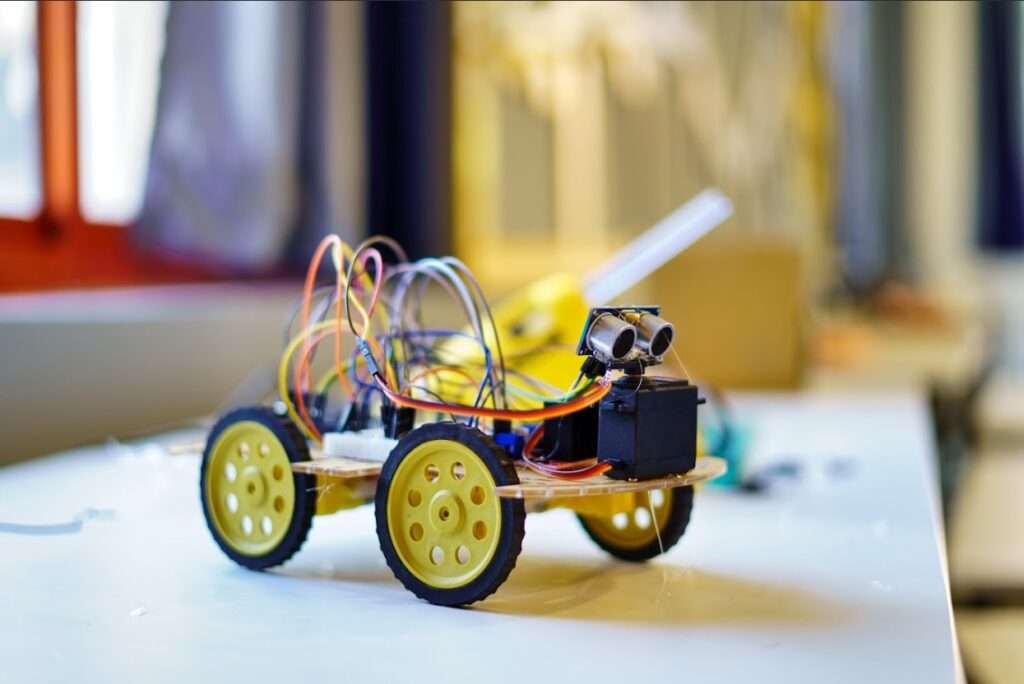
Another key factor driving this change is the growing presence of E-STEM laboratories in schools. These labs encourage project-based learning, teamwork, and practical experimentation, allowing students to engage deeply with scientific concepts beyond traditional classroom methods. By shifting the focus from rote learning to experiential education, schools are creating a more inclusive and engaging environment for students.
While larger states such as Uttar Pradesh, Maharashtra, and Gujarat report higher overall participation, Karnataka’s consistent growth is being recognised for its effective grassroots implementation. Experts note that the steady rise indicates that policy-level interventions are successfully reaching schools and communities, gradually transforming attitudes toward girls’ education in science.
Despite this progress, challenges such as limited awareness, financial barriers, and lack of resources still persist in some regions. However, continued investments in infrastructure, mentorship, and awareness programs are expected to further strengthen participation. The increasing number of girls choosing science is not only a sign of educational advancement but also a step toward building a more diverse and innovative workforce.
As STEM education continues to expand across India, the trend reflects a broader shift toward inclusivity and opportunity, empowering more young women to pursue careers in science, technology, engineering, and mathematics.