

Waste, resource use, pollution and responsible technology consumption are showing up more often in school education, as students run into these questions in daily life rather than just in textbooks. Recent initiatives in India reflect this shift, with schools placing greater emphasis on environmental STEM education as a way to connect everyday practices with broader sustainability goals.
The Department of School Education and Literacy recently held a national webinar on solid and e-waste management, part of preparations for Swachhata Hi Seva and Special Campaign activities. The programme looked at how schools can build environmental awareness and connect it to student learning.
Bringing environmental issues into school learning
Environmental STEM education can help students understand sustainability through real materials rather than abstract theory. Waste management gives them a direct line from classroom concepts to everyday life, since discarded materials show up at home, at school and in the community. That makes it one of the clearest entry points into environmental science education, precisely because it’s tangible.
Instead of treating sustainability education as a separate subject, schools can fold it into science, technology and problem-solving work. That makes it more relevant and shows students the real consequences of what they consume.
Understanding e-waste through science
Computers, phones, batteries and other electronics are built from components that need particular handling when discarded. E-waste education in schools can help students understand why these devices shouldn’t be treated like ordinary household waste, and gives them a way into materials science, electrical components and resource recovery.
It also opens up the full lifecycle of a device, from material extraction and manufacturing through use to eventual disposal or recycling. This kind of e-waste education in schools is a practical way to talk about sustainable design and responsible consumption, grounded in something students already own.
Connecting technology with sustainability
Green STEM learning asks how technological development and environmental protection can happen together. Students can look at how devices are designed, what they’re made of, and how components get reused or recovered.
Innovation here isn’t limited to new products; better ways to cut waste, conserve resources and reuse materials are innovations too. This broader view of green STEM learning is what makes environmental STEM education more than a single lesson on recycling.
Encouraging sustainable thinking
Understanding the environmental consequences of everyday actions helps students see how small decisions add up to larger problems. Projects on waste segregation, recycling, energy use and technology consumption give them a concrete way to practice this. These activities are the practical core of sustainability education, turning everyday decisions into subjects worth investigating, and they require teamwork since environmental problems rarely have one solution.
Linking classroom science with real-world problems
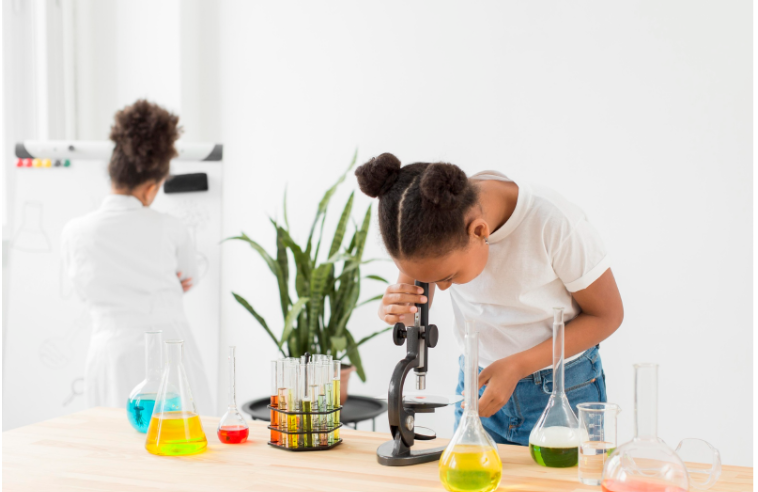
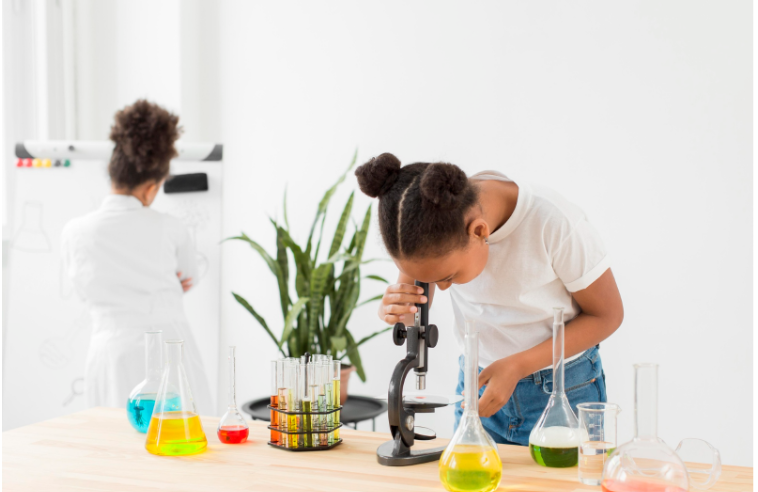
Waste accumulation, inefficient resource use and discarded electronics aren’t abstractions; students can observe them directly in their own schools. Teachers can turn that into scientific inquiry: what kinds of waste does the school produce, how can materials be separated, what happens when disposal goes wrong. That turns environmental education into an investigation, pulling in math, technology, social studies and communication alongside science.
Developing green STEM learning
Green STEM learning brings environmental questions into science and technology classes, from renewable energy and water conservation to waste reduction, sustainable materials and environmental monitoring. E-waste offers a natural bridge into environmental science education because it sits at the intersection of technology and environmental science, making sustainability part of STEM rather than a unit bolted on.
Encouraging student-led investigation
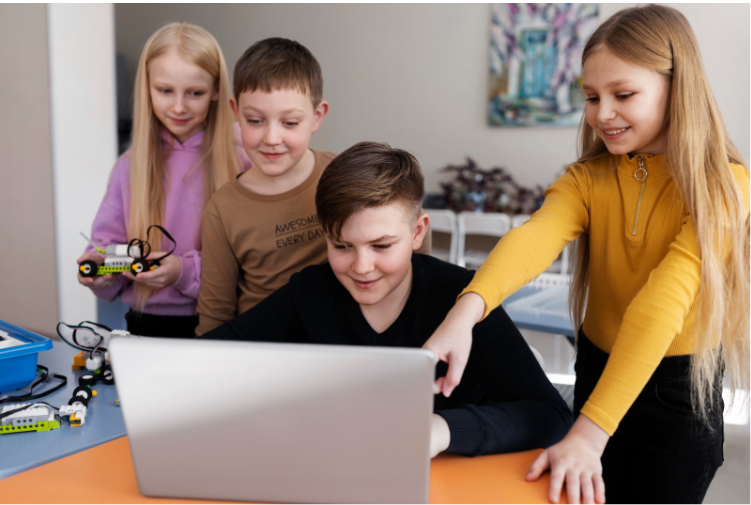
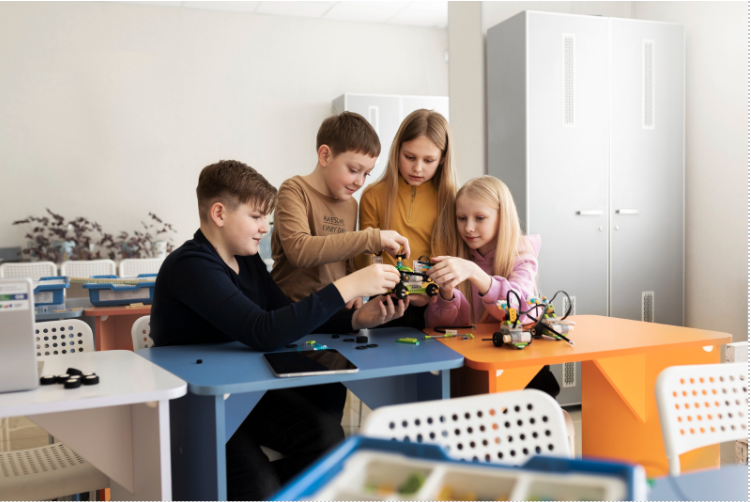
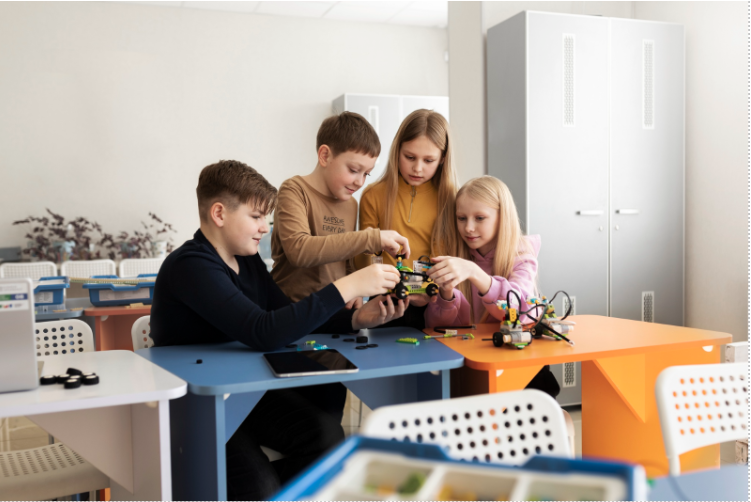
A school e-waste project might start with identifying discarded electronics and documenting how they’re currently handled, then researching proper disposal and presenting findings to classmates. It could also mean developing awareness materials or proposing ways to cut unnecessary e-waste. Along the way, students practice research and communication: gathering information, telling reliable sources from unsupported claims, and explaining conclusions clearly.
Building environmental responsibility
Responsible waste management starts with understanding why it matters. The Department of School Education and Literacy ties environmental awareness to its broader goal of developing responsible citizens, and the national webinar on solid and e-waste management reflects that link, helping students see their role in their own communities.
Connecting STEM with sustainable development
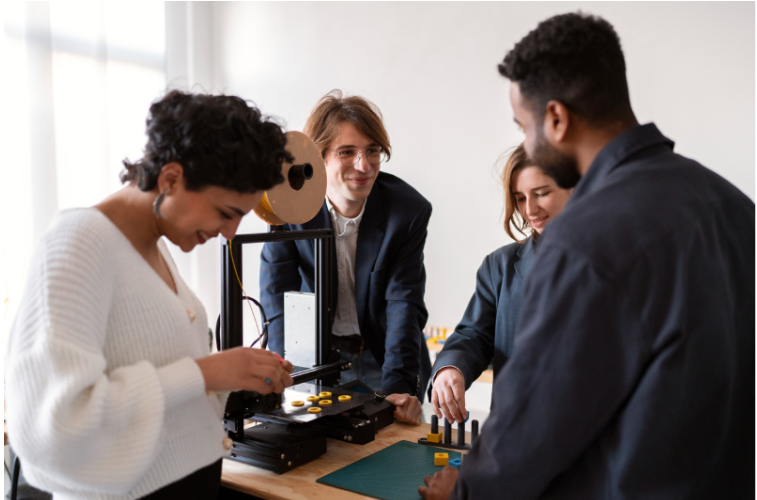
STEM for sustainability provides a wider framework connecting scientific learning with environmental challenges across engineering, technology and research, from recycling and clean energy to conservation and sustainable infrastructure. A single waste-management problem can touch chemistry, engineering, data collection, logistics and public awareness at once. This is the essence of STEM for sustainability: using knowledge from several disciplines to solve problems that cross all of them.
Preparing students for environmental challenges
Environmental challenges aren’t going away, so students need both scientific understanding and practice making responsible decisions. E-waste is a useful testing ground because it combines technology, materials, environmental impact and human behavior in one place. The growing attention to environmental learning in schools makes the point directly: sustainability isn’t separate from scientific progress.
FAQs
It combines science, technology, engineering and math with environmental issues, teaching sustainability through investigation, experimentation and problem-solving.
It helps students understand the environmental impact of discarded electronics, along with materials, recycling, resource recovery and responsible technology use.
Through projects on waste, energy, water, recycling or environmental monitoring, where students collect information, investigate problems and develop solutions.
It connects STEM subjects with environmental sustainability, encouraging students to apply scientific and technological knowledge to resource conservation and environmental protection.
It gives students real-world problems to investigate: observing conditions, collecting evidence, analyzing information and developing solutions, all of which strengthens scientific reasoning.