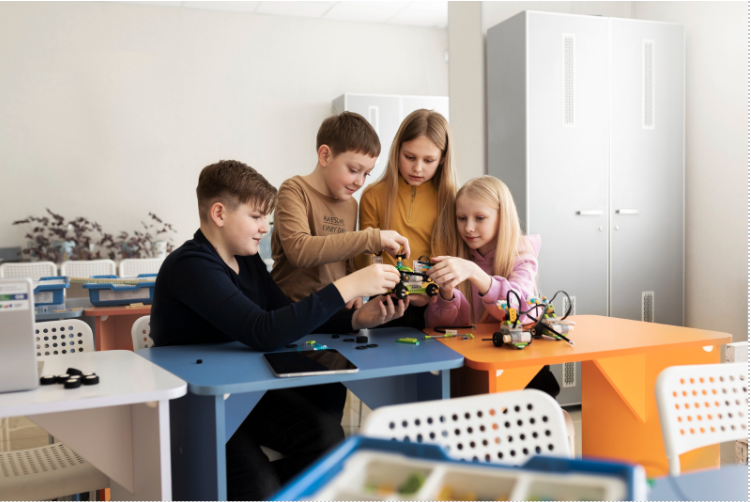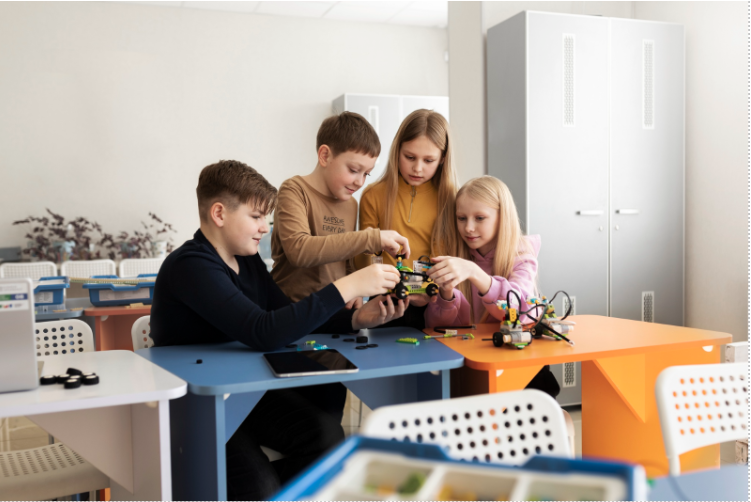


Digital STEM education is becoming a key part of efforts to modernise technical and vocational education. UNESCO, together with Mexico’s technical education institutions, has launched a pilot initiative designed to strengthen digital talent and create new models for educational innovation.
The initiative brings together UNESCO, CONALEP and DGETI to develop a model of Centres of Excellence. The project involves teachers, students and administrative teams in creating approaches that can strengthen technical education and respond to changing workforce needs.
Technical Education Moves Towards Innovation
Technical education plays an important role in preparing young people for industries influenced by digital transformation. Students need opportunities to develop technical knowledge while also learning how to apply that knowledge to practical challenges.
The UNESCO-backed initiative aims to create educational campuses that function as local innovation hubs. These environments are intended to support capacity building, digital talent, community engagement and continuous improvement.
Digital STEM education can support this transition by giving students opportunities to work with technology while developing problem-solving and critical-thinking skills.
Developing Digital Skills for Students
Digital skills for students are becoming increasingly important as technology changes the nature of work. Technical learners need more than familiarity with digital tools. They also need to understand how technology can be used to create solutions and address practical problems.
The Mexican initiative places emphasis on developing digital, technical and human skills. It also encourages young people to become active creators of technological solutions rather than simply users of technology.
This approach connects digital STEM education with broader educational goals. Students can develop technical capabilities while also learning about collaboration, innovation and responsible use of technology.
Teachers Remain Central to STEM Transformation
Teachers play an important role in making digital learning meaningful. New technologies can provide useful tools, but educators need appropriate training to integrate them into classroom activities.
The UNESCO project includes capacity development and opportunities for teachers to share experiences across participating campuses. This peer-based approach can help educators exchange practical ideas and develop stronger teaching practices.
Teacher development is particularly important for vocational STEM learning. Students need educators who can connect technical concepts with current technologies, workplace expectations and real-world applications.
Connecting Education With Employment
Technical and vocational education is closely linked with employment. As industries adopt new technologies, education systems need to anticipate changing skill requirements.
The UNESCO initiative aims to strengthen links between educational institutions and productive sectors while preparing students for future employment. It also focuses on digital transformation from a human-centred perspective.
STEM skills development can therefore support both educational and economic goals. Students who gain technical knowledge alongside practical and human skills may be better prepared to adapt to changing professional environments.
Building Inclusive Digital Education
Digital STEM education also has an important role in improving inclusion. Technology can create new learning opportunities, but access alone does not guarantee meaningful participation.
The Mexican model places emphasis on inclusion, gender equity and shared development. It recognises young people as contributors to innovation and encourages educational communities to work together.
This broader approach can help ensure that technical education supports different learners while addressing gaps in access to digital and STEM opportunities.
Creating a Model for Wider Adoption
The pilot is intended to generate lessons that could support further development within Mexico and potentially inform education systems across Latin America and the Caribbean.
Digital STEM education can become more effective when technology is combined with teacher development, practical learning and strong connections with communities and workplaces.
The initiative shows how technical education can move beyond basic technology exposure. By strengthening digital skills for students and supporting teachers, institutions can create learning environments focused on innovation, employability and responsible technological development.
FAQs
Digital STEM education combines science, technology, engineering and mathematics learning with digital tools and technologies. It can help students understand how technology is applied to research, problem-solving and real-world challenges.
Technical education gives students practical knowledge and skills related to specific professional areas. It can help learners understand workplace applications while preparing them for industries influenced by technological change.
Schools can develop digital skills for students through practical projects, technology-based activities, coding, problem-solving and guided use of digital tools. Teacher preparation is also important for meaningful technology integration.
Vocational STEM learning connects science, technology, engineering and mathematics with practical occupational skills. It can help students understand how STEM knowledge is used in technical fields and workplaces.
STEM skills development helps students build technical knowledge alongside critical thinking, creativity and problem-solving abilities. These skills can support further education and employment in technology-driven fields.