

As India strengthens its technology ambitions, STEM education in India is facing a larger question: are classrooms preparing students to create technology or simply use it?
The National Education Policy 2020 has encouraged experiential learning, coding, multidisciplinary education and skill-based exposure. The challenge now is translating these priorities into meaningful classroom practice.
Moving Beyond Theory-Led Learning
Traditional classroom learning can give students strong conceptual foundations, but STEM education in India increasingly needs to connect theory with application.
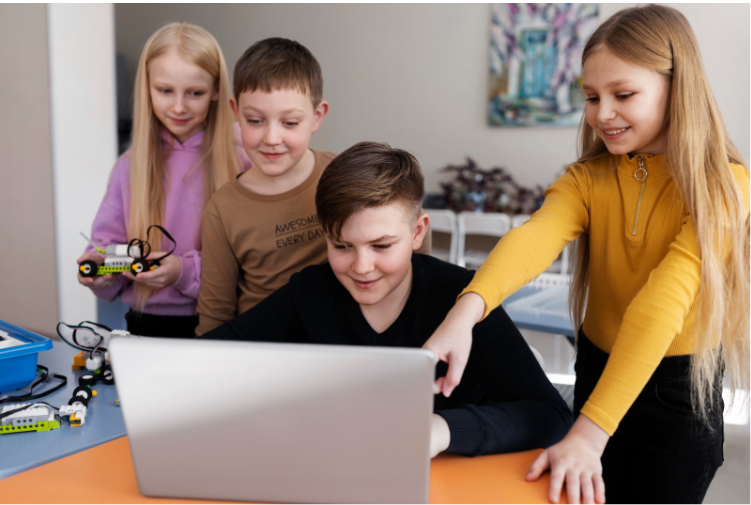
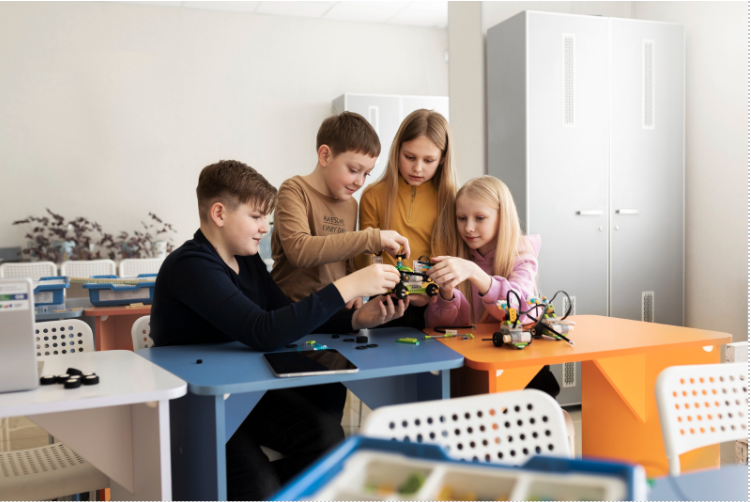
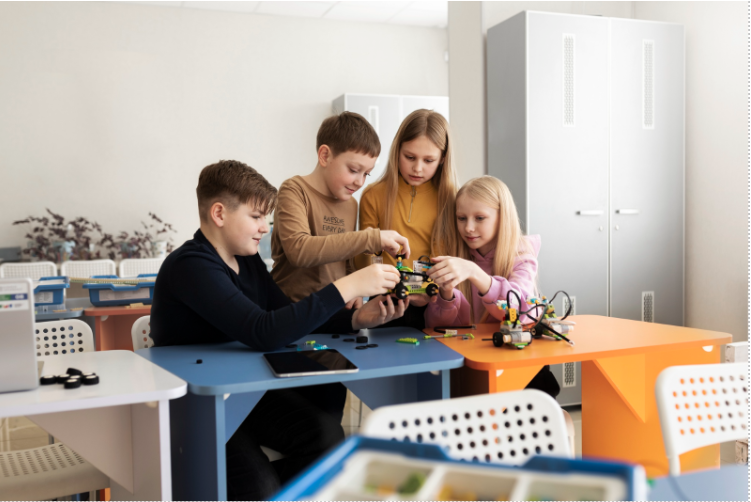
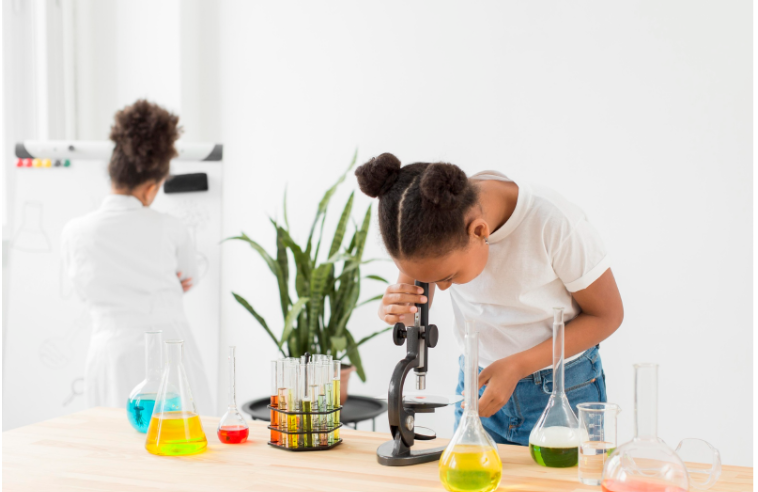
Experiential STEM learning can allow students to design prototypes, conduct experiments and solve practical problems. Such activities can make science and mathematics more relevant while strengthening problem-solving abilities.
For STEM education in India, this shift is particularly important as industries increasingly seek technical skills alongside creativity and analytical thinking.
Preparing Students for an AI-Driven Economy
Artificial intelligence is changing workplaces across sectors. Students therefore need more than basic digital familiarity.
AI education in India can introduce learners to computational thinking, data, automation and responsible technology use. These areas can become part of broader STEM skills development, rather than being treated as isolated subjects.
The growth of AI, robotics, semiconductors and automation makes technology education increasingly important for future careers.
Building Creators, Not Just Users
A stronger STEM education in India ecosystem should give students opportunities to build and experiment.
Innovation-based learning can involve robotics projects, engineering challenges, coding applications and scientific investigations. Students can learn by identifying a problem, developing a solution and improving it through testing.
This approach can also strengthen STEM skills development by combining technical knowledge with communication, collaboration and creativity.
Creating Future-Ready Classrooms
Future-ready education requires schools and higher education institutions to respond to changing technology. Coding alone cannot meet that requirement.
STEM education in India needs stronger connections between classrooms, laboratories, research institutions and emerging industries. Experiential STEM learning can help students understand how concepts are applied outside textbooks.
Technology education should therefore focus not only on operating digital tools but also on understanding how technologies are designed and improved.
The Road Ahead
India’s technology ambitions will depend partly on the quality of its future talent. STEM education in India can play a central role by encouraging curiosity, experimentation and innovation from an early stage.
A stronger model of future-ready education will combine scientific knowledge with practical projects, while innovation-based learning can help students become confident problem-solvers.
The goal is not simply to produce students who understand technology. It is to develop learners capable of questioning, designing and building the technologies of tomorrow.
FAQs
STEM education in India needs stronger links between theoretical concepts, practical experimentation and emerging technologies.
AI education in India can introduce students to computational thinking, data, automation and responsible technology use.
Innovation-based learning encourages students to identify problems, develop solutions, test ideas and improve their designs.
Future-ready education can combine technical knowledge with creativity, critical thinking, collaboration and problem-solving.