

Space-based STEM education is giving students new opportunities to explore science, technology, engineering and mathematics through real-world space challenges. For the 2026–27 school year, the European Space Agency (ESA) has relaunched five interdisciplinary projects with the ESERO network.
The programmes make space-based STEM education practical through coding, environmental investigation, engineering and astronaut-inspired activities. They also encourage teamwork, critical thinking and problem-solving.
Five Projects Connect Space With STEM
The ESA STEM projects include Climate Detectives, Mission X, Astro Pi, CanSat and Moon Camp. Together, these STEM education projects expose students to different areas of space science and technology.
Climate Detectives focuses on environmental investigation, while Mission X combines science with astronaut training. Astro Pi introduces programming, CanSat explores satellite engineering and Moon Camp challenges students to design sustainable lunar habitats.
These activities make space education for students more interactive while showing how different STEM disciplines work together.
Coding and Engineering Take Centre Stage
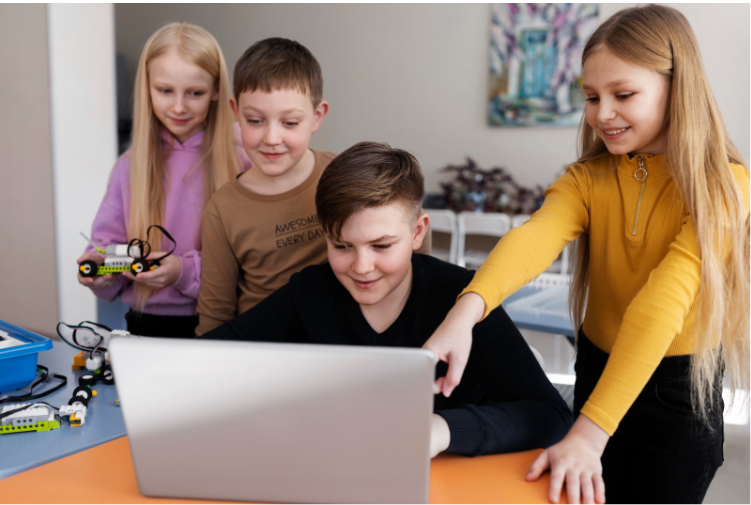
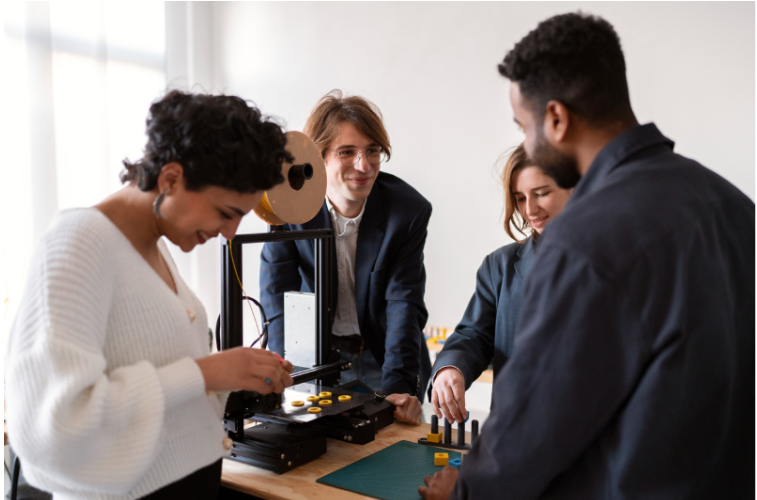
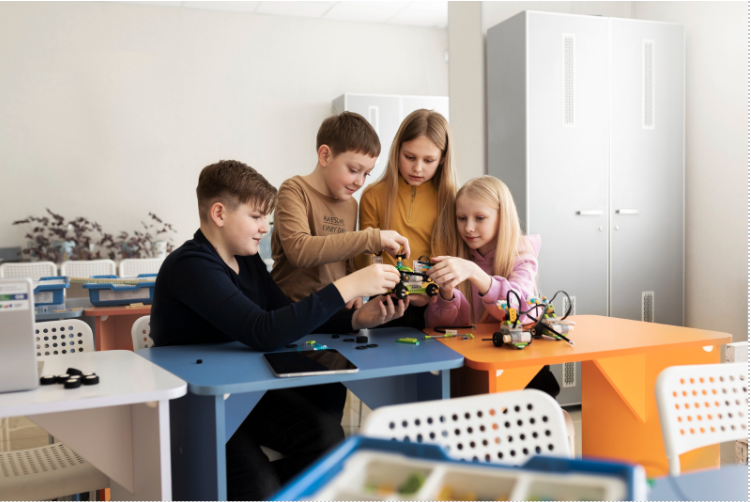
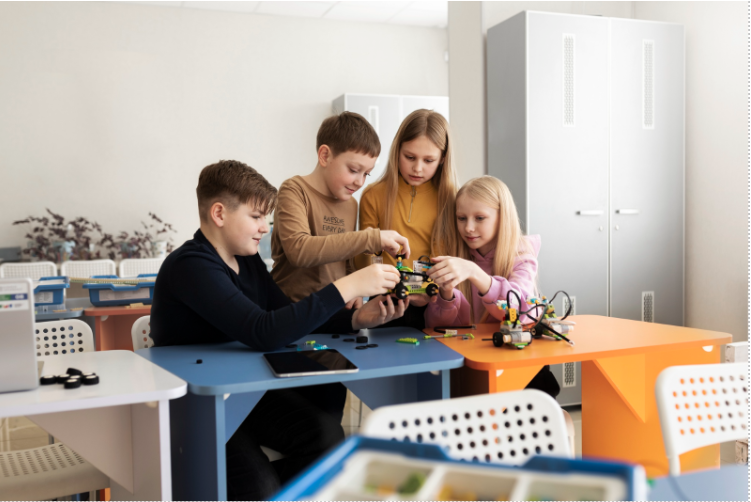
Astro Pi allows students to develop Python programmes that can run on computers aboard the International Space Station. CanSat requires teams to design and build a small satellite before launching it. These ESA STEM projects provide direct examples of how coding and engineering are applied beyond the classroom.
Such activities strengthen hands-on STEM learning because students must test ideas, solve problems and improve their designs.
Students Investigate Real-World Problems
Climate Detectives asks students to investigate environmental issues using scientific methods and Earth observation data. Participants can study subjects such as air quality, biodiversity, water pollution and temperature changes.
This form of hands-on STEM learning connects classroom concepts with issues affecting local communities. It also demonstrates how STEM education projects can encourage students to become investigators rather than passive learners.
Developing Skills Beyond the Classroom
The projects are designed to develop teamwork, critical thinking and problem-solving alongside technical knowledge. This makes them useful STEM activities for schools seeking broader learning outcomes.
The interdisciplinary STEM learning approach also reflects how professionals work in space science. Engineers, programmers, scientists and designers often contribute to the same mission.
Expanding Space-Based STEM Education
The 2026–27 programme shows how space-based STEM education can provide a strong context for practical learning. Students are not simply studying space. They are coding, researching, designing and solving problems connected to it.
For schools, these STEM activities provide an opportunity to introduce space education for students while strengthening broader STEM skills. The ESA STEM projects demonstrate how interdisciplinary STEM learning can turn an ambitious subject into an engaging classroom experience.
FAQs
They are Climate Detectives, Mission X, Astro Pi, CanSat and Moon Camp.
Space-based STEM education gives students practical opportunities to apply science, coding, engineering and problem-solving skills.
Astro Pi allows students to write Python programmes for computers operating aboard the International Space Station.
CanSat is an engineering project where students design and build a small satellite before launching it.
These STEM activities for schools combine hands-on STEM learning with interdisciplinary STEM learning, teamwork and critical thinking.