IIT Gandhinagar-CBSE Eklavya STEM Programme Gets Five-Year Extension
A landmark teacher-training initiative that has already reached lakhs of educators across India will now continue until the next decade, after IIT Gandhinagar and CBSE renewed their partnership for the 3030 Eklavya STEM Programme.
The Indian Institute of Technology Gandhinagar (IIT-Gn) and the Central Board of Secondary Education (CBSE) have agreed to extend their flagship collaboration, the 3030 Eklavya STEM Programme, for another five years. The renewed Memorandum of Understanding (MoU) was formally signed on February 3, 2026, reaffirming both institutions' commitment to reshaping how science, technology, engineering, and mathematics are taught in Indian classrooms.
A Programme Rooted in NEP 2020
The industry reports suggest that the international schools sector in K-12 will continue to grow over the coming decade, driven by rising enrollments and growing investment in education that is of the highest quality. The market is thriving due to the increasing demands for internationally recognized qualifications in English-medium instruction and internationally competitive learning experiences.
It is growing particularly well in certain regions, like:
- Asia-Pacific
- Middle East
- Europe
- North America
Asia remains the biggest international school market, with greater than 50% of the schools in international education in the world.
From a Pilot to a National Movement
What began in August 2020 as a modest set of Sunday sessions has grown into one of the largest teacher-training efforts of its kind in the country. The very first live session, built around the theme “Adventures of A4 Paper,” drew well over a lakh views within a day — an early sign of the appetite among educators for a fresh approach to STEM teaching.
Since then, the programme has been repeated across multiple seasons, most recently relaunching its Season 3, Phase 2 batch in August 2025. Over the years, the initiative has crossed two crore cumulative online views and reached hundreds of thousands of teachers and students nationwide, with CCL reporting that it has personally conducted workshops for more than 10,000 teachers and developed upwards of 1,000 hands-on activities and models.
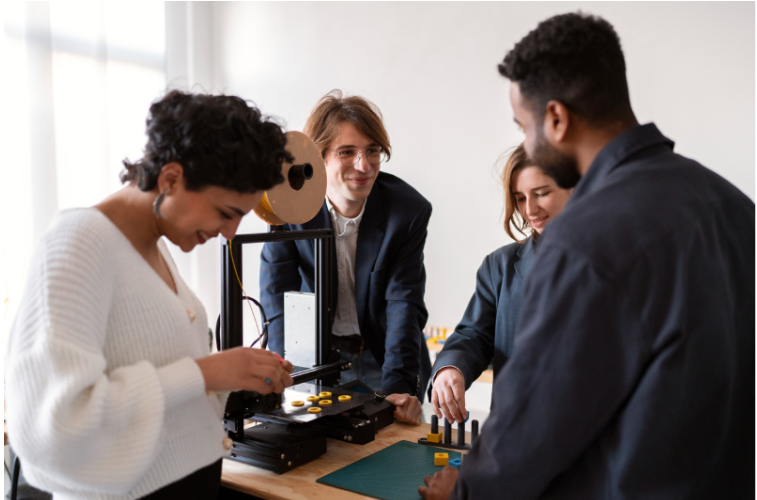
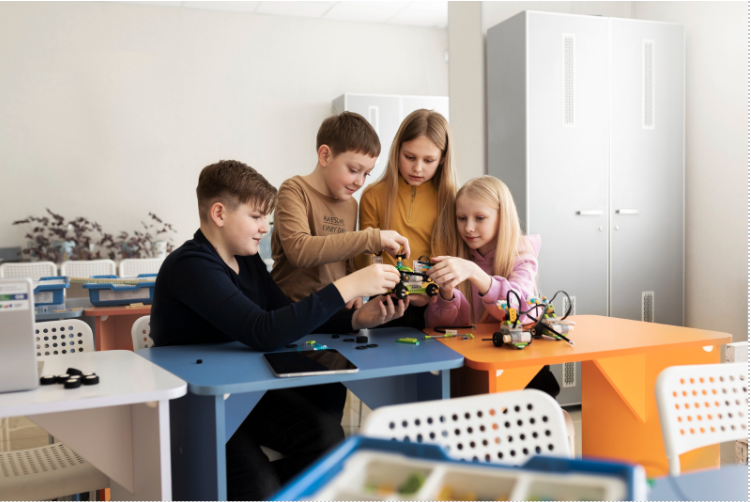
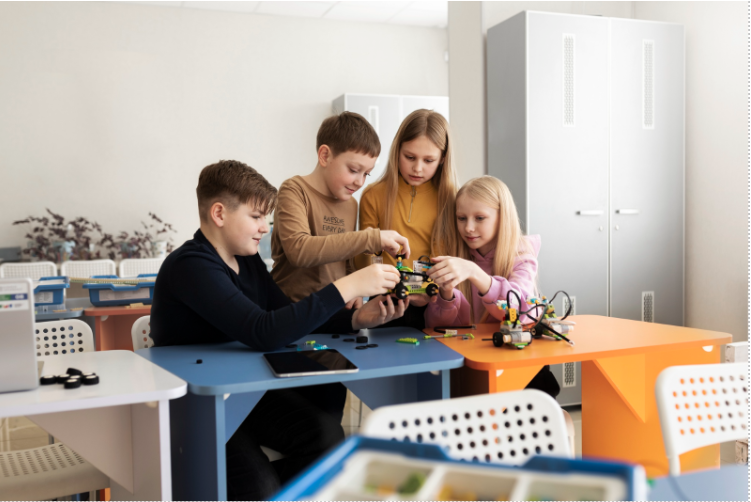
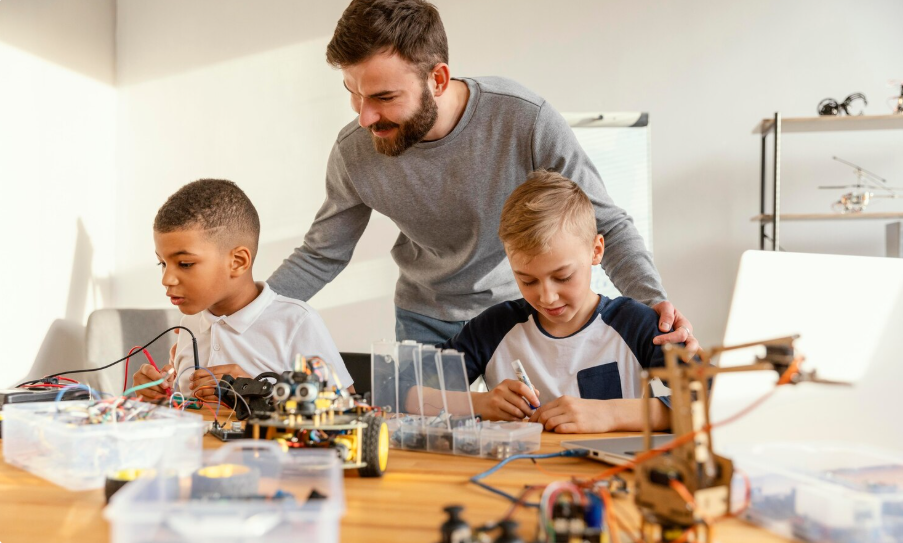
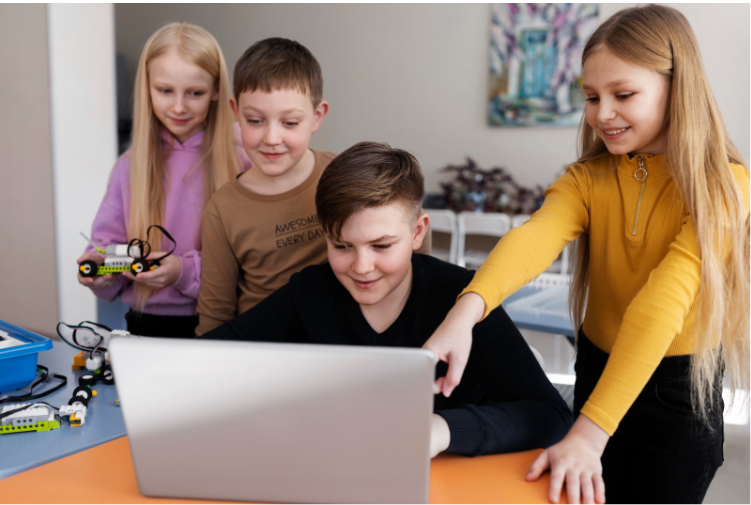
Central to this hands-on philosophy is the growing emphasis on tangible classroom tools — including low-cost STEM kits, DIY project material, and, increasingly, robotics kits for schools. These resources are designed to let students build, test, and iterate on real models rather than only reading about scientific principles, giving the programme’s inquiry-based approach a physical, tactile dimension that keeps students engaged well beyond the screen.
Why the Extension Matters
CBSE had already named STEM education its official annual training theme, running structured Capacity Building Programmes alongside the regular teacher-development calendar. The fresh five-year MoU signals that this focus is not a one-off campaign but a long-term institutional priority.
For CBSE-affiliated schools, the extension means continued access to a free, structured, and credentialed training pathway — teachers who complete all ten sessions can earn the full 30 hours of CPD credit, a requirement increasingly built into professional growth expectations for educators. For IIT Gandhinagar, it cements CCL’s role as a national resource for STEM pedagogy, with plans to expand outreach even further in the coming years.
Officials from both institutions have described the renewed partnership as a chance to deepen teacher development, strengthen STEM literacy at the school level, and widen India’s long-term talent pipeline in science and technology. As the programme moves into its next chapter, the ambition is to keep classrooms curious, hands-on, and better equipped for a future where technological fluency matters as much as textbook knowledge.
What Comes Next
With the MoU now formally in place, schools and teachers can expect continuity in registrations, session schedules, and access to CCL’s growing library of activities and kits through platforms such as ccl.iitgn.ac.in and CBSE’s academic portal. As more schools onboard hands-on resources like robotics kits, the programme’s core promise — replacing rote learning with genuine discovery — looks set to reach an even wider footprint over its next five-year run.